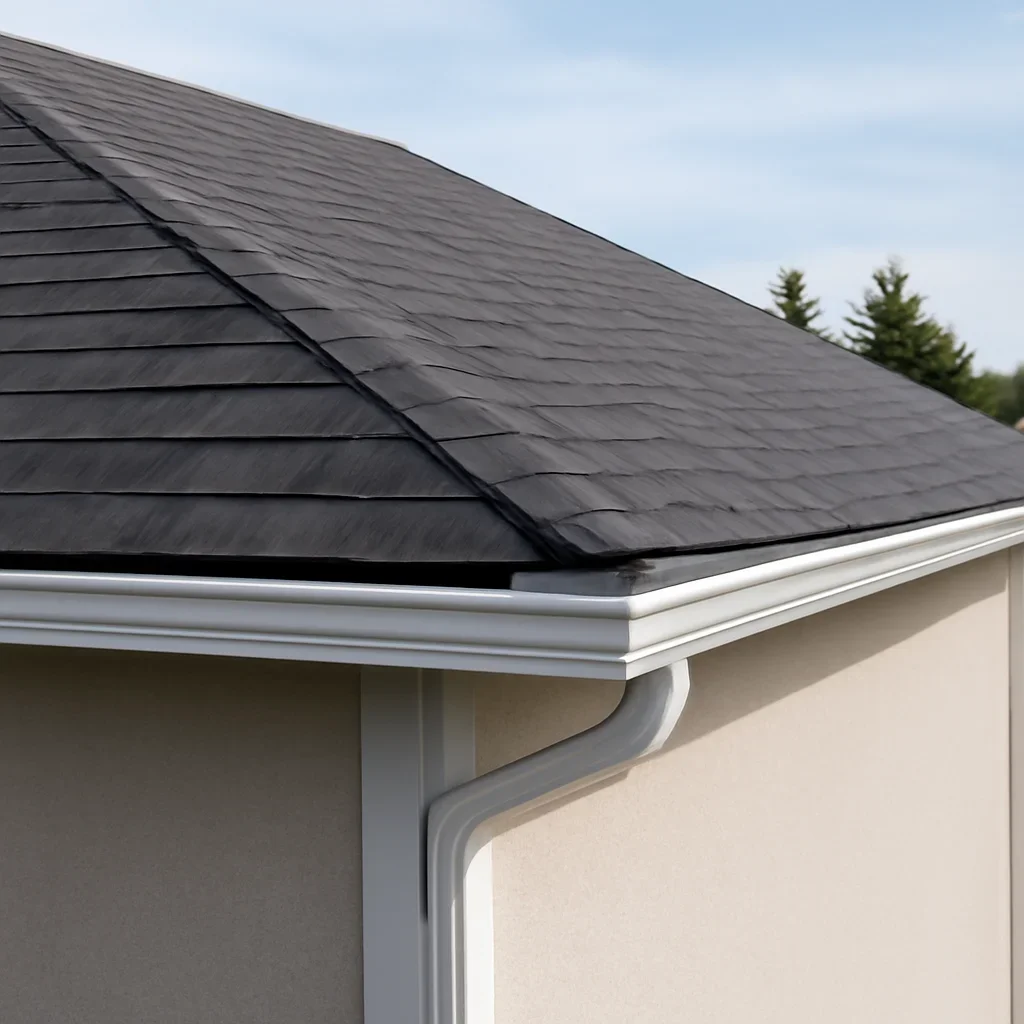
Confirm the exact address
Regional availability does not guarantee service at every site or for every project type.

Roofing Star considers projects across British Columbia one address at a time. Regional and city pages provide useful climate, building and access context, but service is confirmed only after the real property and scope are reviewed.

For the roofing service areas decision route, identify the building, reported condition, decision-maker and timing first. While reviewing the roofing service areas decision route, the correct branch is the one that supplies the inspection points and records needed for that exact question.
In the written record for the roofing service areas decision route, these filters keep the next step tied to a real property, approval or record.
Regional availability does not guarantee service at every site or for every project type.
Rain, wind, snow, heat, marine air, trees and terrain change inspection and detailing priorities.
Travel, staging, disposal, material delivery, occupants and weather windows belong in the scope.
Choose the closest regional or municipal context, then confirm the exact property and project fit.
Metro Vancouver roofing has to manage persistent rain, wind exposure, tree debris and a building mix that ranges from steep-slope homes to large low-slope commercial roofs; regional planning begins with drainage and overflow paths.
Fraser Valley properties include suburban homes, farms, warehouses and commercial sites exposed to wet winters, wind and wide temperature changes, so the inspection plan should account for wind-driven rain at edges and walls.
Sea-to-Sky roofs face mountain weather, strong winds, rain, snow and rapid changes between elevations; access and scope should be checked against weather windows and safe access.
Sunshine Coast roofs need to handle marine air, rain, wind and wooded sites, with ferry logistics sometimes shaping project planning; regional planning begins with drainage at coastal and forested properties.
Vancouver Island roofing varies from marine-exposed urban buildings to rural, forested and mountain properties, so the inspection plan should account for wind-driven rain and marine exposure.
Okanagan roofs experience strong sun, hot summers, winter cold, wind and significant daily and seasonal temperature movement; access and scope should be checked against thermal movement at metal and sealants.
Thompson-Cariboo properties face hot dry periods, cold snowy winters, wind and large seasonal temperature swings; regional planning begins with wind-secure edges.
Northern B.C, so the inspection plan should account for material mobilization and weather contingencies.
Kootenay roofs see mountain snow, freeze-thaw cycles, summer heat and sites where steep terrain affects access; access and scope should be checked against snow movement and ice at eaves.
Choose the closest regional or municipal context, then confirm the exact property and project fit.
Langley combines dense suburban neighbourhoods with rural acreages and agricultural buildings; the local review then tests drainage, wind-secure edge details and roof assemblies suited to both suburban and rural properties.
Long wet periods make dependable flashing, underlayment and roof drainage especially important, so the inspection plan should account for water management, efficient project staging and solutions for homes, strata buildings and commercial properties.
Older homes and renovated properties often contain several generations of roofing and flashing details; access and scope should be checked against coastal exposure, careful access planning and durable flashing at renovated roof intersections.
Delta includes low-lying communities, shoreline exposure, agricultural land and industrial properties; the local review then tests wind-resistant perimeter details and coordinated roof-to-ground drainage.
Tree debris, moss-friendly shade and prolonged moisture can accelerate wear when maintenance is delayed, so the inspection plan should account for moisture control, maintenance access and roofing plans that fit both homes and larger working properties.
Hillside lots may require extra planning for ladders, fall protection, delivery and cleanup; access and scope should be checked against rain management, moss-prone roof care and safe staging on varied terrain.
Mission has riverfront areas, wooded hillsides and many properties surrounded by mature trees; the local review then tests leak diagnosis at transitions, tree-debris management and access planning for hillside homes.
Rural buildings, suburban homes and commercial properties create a wide range of roof spans and drainage demands, so the inspection plan should account for storm resilience, drainage capacity and practical service for residential, agricultural and commercial roofs.
Townhomes, detached houses and multi-family buildings often need different communication and staging plans; access and scope should be checked against water-shedding details, moss-aware maintenance and coordinated work on multi-unit properties.
Port Coquitlam is shaped by the Fraser, Pitt and Coquitlam river systems and includes residential and industrial areas; the local review then tests drainage performance, low-slope roof care and tidy project execution in active neighbourhoods.
Open exposure can increase wind at roof edges and across broad, unobstructed roof planes, so the inspection plan should account for edge security, open-site wind exposure and complete roof-and-gutter water management.
Constrained lots and busy properties often require precise staging and daily cleanup; access and scope should be checked against renovation-aware detailing, tree-debris maintenance and efficient work on compact urban sites.
New Westminster has steep streets, heritage-era homes, multi-family buildings and Fraser River exposure; the local review then tests careful work on older roof assemblies, complex transitions and constrained urban lots.
Broad roof planes and edge details can take the brunt of wind-driven rain, so the inspection plan should account for wind-driven rain protection, perimeter detailing and dependable roof drainage.
Tight sites, laneways, overhead lines and occupied buildings can all affect access and project sequencing; access and scope should be checked against rain-tested assemblies, urban access planning and solutions for both steep and low-slope roofs.
North Vancouver sits between Burrard Inlet and the Coast Mountains, with steep terrain and substantial rainfall; the local review then tests heavy-rain performance, forest-edge maintenance and safe execution on sloped sites.
Wind, marine air and mature trees can affect roof edges, metal components and drainage systems, so the inspection plan should account for high-detail waterproofing, coastal durability and access planning for complex hillside homes.
Hillside access and closely spaced homes can shape equipment, delivery and safety decisions; access and scope should be checked against debris-sensitive drainage, leak prevention at transitions and careful hillside staging.
Squamish lies at the head of Howe Sound and is known for strong outflow winds and mountain weather; the local review then tests wind-secure systems, mountain-weather detailing and assemblies suited to changing elevations.
Complex resort architecture can include intersecting roofs, dormers and areas where snow drifts collect, so the inspection plan should account for snow management, ice-dam prevention and coordinated work on complex mountain roofs.
Ferry-dependent logistics can affect delivery timing and the value of careful pre-project material planning; access and scope should be checked against moss-aware maintenance, marine-weather protection and well-planned coastal logistics.
Sechelt is surrounded by marine exposure, forested neighbourhoods and varied coastal terrain; the local review then tests wind-driven rain control, durable transitions and organized material planning.
Historic rooflines, additions and chimneys can create complex flashing conditions, so the inspection plan should account for repairing older assemblies, protecting coastal details and preserving architectural character where practical.
The mix of older houses and newer construction calls for roof-specific assessment rather than a single standard approach; access and scope should be checked against tree-debris control, coastal material choices and solutions matched to varied property types.
Langford has seen rapid residential and commercial growth alongside established neighbourhoods; the local review then tests organized work on growing communities, weather-tight edge details and clear multi-party communication.
Many compact properties have limited staging space and close neighbouring buildings, so the inspection plan should account for coastal durability, compact-site planning and careful evaluation of older roof details.
Tree cover and valley moisture can contribute to moss and blocked drainage on shaded buildings; access and scope should be checked against seasonal maintenance, mixed-property service and moisture control under tree cover.
Nanaimo combines coastal exposure, sloped neighbourhoods, commercial corridors and island rainfall; the local review then tests coastal wind resistance, drainage performance and roof assemblies matched to building age.
Marine moisture and shaded roof planes can support moss and lichen when surfaces remain damp, so the inspection plan should account for moss prevention, easy-to-follow maintenance planning and coastal weather protection.
Tree debris, wet roof valleys and changing winter conditions make drainage and flashing checks important; access and scope should be checked against all-season drainage, valley-weather resilience and service for urban and rural properties.
Campbell River faces coastal rain, wind and marine exposure along the Discovery Passage; the local review then tests coastal storm resistance, system-specific inspections and dependable drainage.
Sun and heat can age exposed roof surfaces while freeze-thaw cycles stress flashings and sealants, so the inspection plan should account for heat-resistant materials, freeze-thaw detailing and practical work on hillside properties.
Sloped lots may require detailed access plans and careful protection of landscaping; access and scope should be checked against UV and temperature resilience, hillside access and durable flashing.
Vernon experiences hot summers, colder winters and more snow than communities farther south in the valley; the local review then tests snow-ready assemblies, wind-secure edges and materials suited to broad temperature swings.
Lake and valley winds can act on exposed roof planes and perimeter metal, so the inspection plan should account for sun and wind resistance, balanced ventilation and freeze-thaw durability.
Snow and freeze-thaw conditions still require sound underlayment, flashing and ventilation even in a drier climate; access and scope should be checked against temperature resilience, wind-secure systems and seasonal debris management.
Salmon Arm has lake-influenced weather, winter snow and more precipitation than much of the southern Interior; the local review then tests snow and drainage planning, tree-debris control and safe seasonal maintenance.
Snow accumulation, ice at eaves and repeated freeze-thaw cycles can expose ventilation and waterproofing weaknesses, so the inspection plan should account for cold-climate ventilation, snow and ice control and weather-aware project scheduling.
Roof inspections should consider ice-dam signs, brittle materials and drainage routes before winter; access and scope should be checked against freeze-thaw durability, pre-winter inspection and snow-aware roof details.
Williams Lake has cold snowy winters, dry summer periods and strong seasonal temperature movement; the local review then tests wind and snow resilience, compatible materials and seasonal preventive care.
Low temperatures can make roofing materials brittle and increase the importance of correct cold-weather handling, so the inspection plan should account for cold-weather material performance, wind-secure fastening and snow-drift awareness.
Commercial and agricultural buildings often have broad roof areas where drainage and snow patterns vary; access and scope should be checked against wind-resistant details, cold-climate maintenance and large-roof planning.
Terrace receives substantial precipitation and winter snow within a mountain valley setting; the local review then tests high-capacity drainage, wet-snow resilience and debris control.
Wind-driven rain can enter vulnerable laps, penetrations and wall intersections, so the inspection plan should account for marine corrosion resistance, wind-driven rain protection and reliable drainage.
Wind and snow movement around valleys, dormers and rooftop equipment should be considered during assessment; access and scope should be checked against temperature-cycle durability, snow management and secure transition details.
Nelson has steep terrain, older buildings and substantial winter snowfall near Kootenay Lake; the local review then tests snow-aware detailing, careful work on older roofs and safe hillside access.
Valley winds and wildfire-season debris can affect roof surfaces and drainage, so the inspection plan should account for all-season material performance, debris management and freeze-thaw resilience.
Older homes may need detailed review of deck condition, ventilation and past alterations; access and scope should be checked against steep-site logistics, temperature resilience and renovation-aware roof assessment.
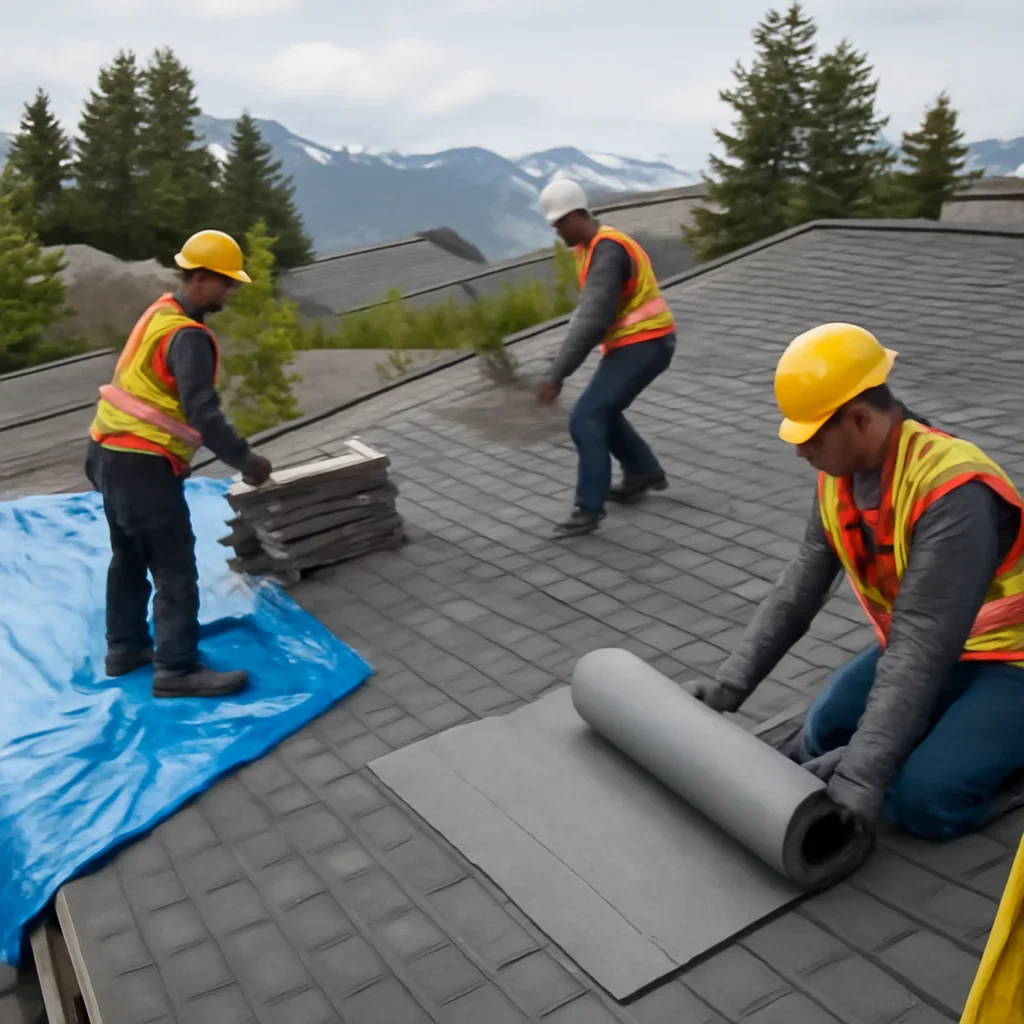
A usable result
Before choosing the roofing service areas decision route, by the end of the selected route, you should have a clearer condition summary, the assumptions that remain, the options worth comparing and the records required before approval.
When a service-area decision depends on concealed layers, exact measurements, safe access or material compatibility, a property inspection is the responsible next step.
These answers clarify how to use roofing service areas while keeping the final recommendation tied to the property.
No. Availability is confirmed for the specific address, building type, project size and timing. Distance, weather, travel and material logistics can affect scheduling.
Rain, wind, snow, heat, tree cover, terrain and building stock change how systems age and how work is staged. The final recommendation still depends on the condition of the individual property.
Send the property address, building type, roof concern and requested timing through the estimate route. Roofing Star can then confirm whether the location and scope fit current service capacity.
Within the roofing service areas decision route, share the address, building type, roof concern, timing and any safe photographs or reports. Roofing Star can direct the roofing service areas question to the appropriate assessment, service or planning route.