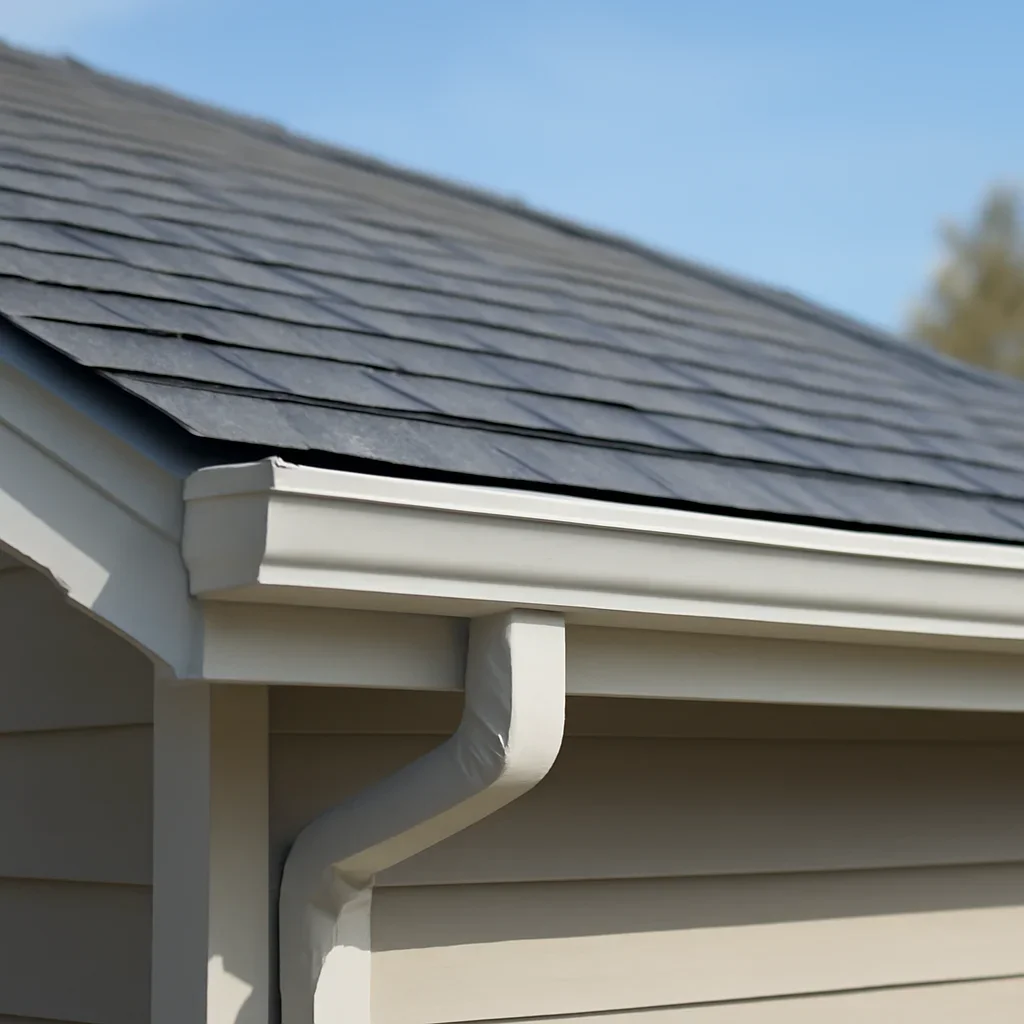
Start with the building
Before choosing the roofing systems decision route, identify property type, roof geometry, occupied areas, access and the decision-maker.
Asphalt, metal, cedar and low-slope membranes behave differently because slope, substrate, drainage, exposure and maintenance are different. Product names matter less than the compatibility of the complete assembly.
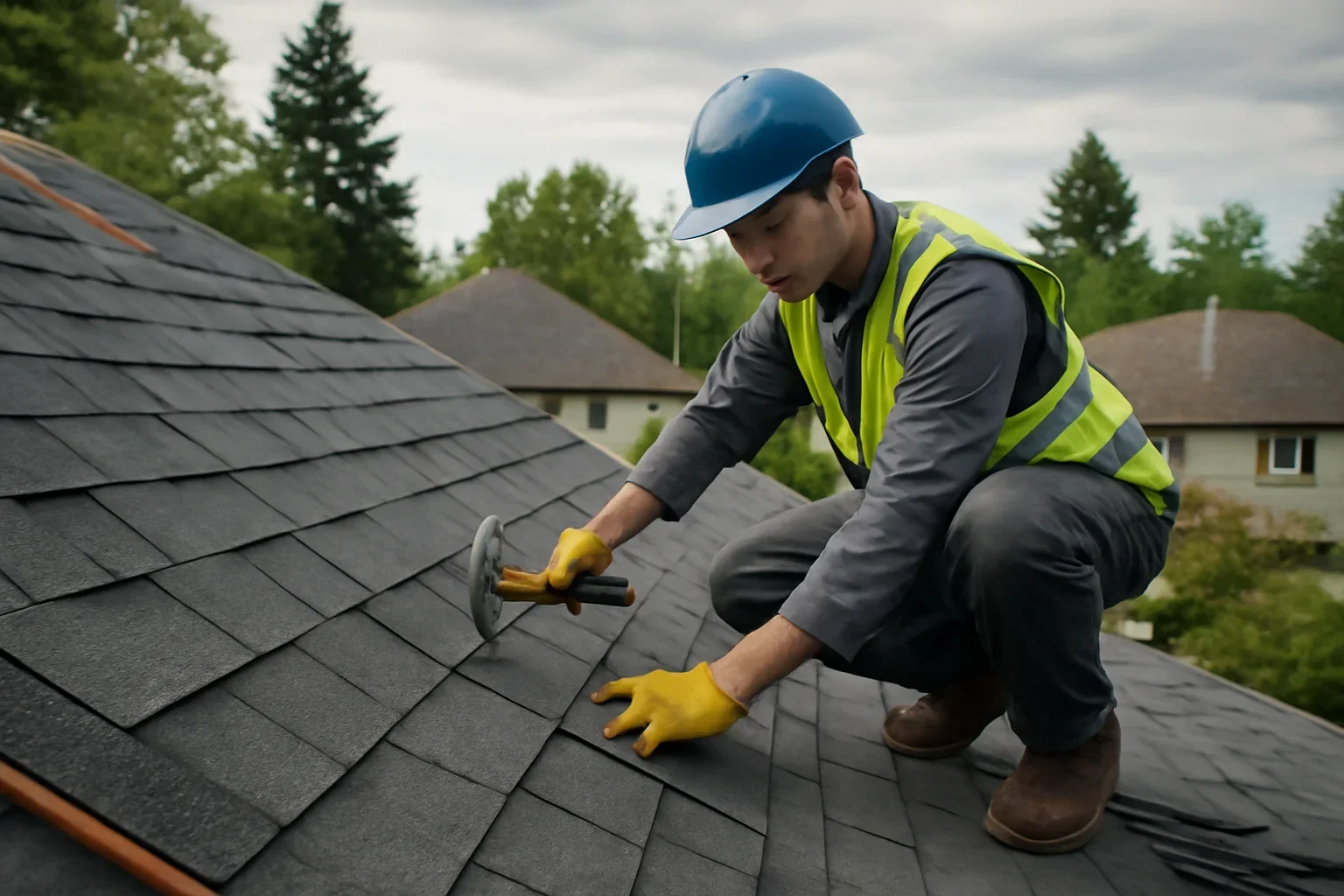
For the roofing systems decision route, identify the building, reported condition, decision-maker and timing first. While reviewing the roofing systems decision route, the correct branch is the one that supplies the inspection points and records needed for that exact question.
In the written record for the roofing systems decision route, these filters keep the next step tied to a real property, approval or record.
Before choosing the roofing systems decision route, identify property type, roof geometry, occupied areas, access and the decision-maker.
Along the roofing systems decision route, record the symptom, likely water path, material state, drainage and any inaccessible areas.
Within the roofing systems decision route, compare options by scope, risk, service life, disruption, assumptions and written responsibility.
When the roofing systems decision route is reviewed, every card has a distinct topic, audience or decision path.
Asphalt shingles are a practical steep-slope option when the deck, underlayment, ventilation, flashing and fastening details are handled as one assembly; begin by checking wind-lifted tabs.
Metal roofing can provide long service when panel type, substrate, expansion, fasteners, flashings and condensation control are designed together, and the written scope should explain how it treats oil canning or panel distortion.
Standing-seam roofing uses raised interlocking seams and concealed clips or fasteners; compare options by how well they address penetrations placed without compatible curbs.
Cedar roofs need drainage, ventilation and regular observation because wood responds to moisture, shade and biological growth; begin by checking failed interlayment.
Low-slope systems differ in membrane chemistry, reinforcement, attachment, seams and maintenance needs, and the written scope should explain how it treats assuming all white or black membranes perform the same.
Torch-on roofing is an SBS modified-bitumen system installed with controlled heat; compare options by how well they address unsafe hot-work conditions.
SBS modified bitumen is a reinforced asphalt membrane available in torch-applied, self-adhered and other configurations; begin by checking poor lap adhesion.
TPO is a heat-welded thermoplastic membrane often used on commercial low-slope roofs, and the written scope should explain how it treats fastener or plate telegraphing.
EPDM is a flexible synthetic rubber membrane used on low-slope roofs; compare options by how well they address punctures.
A roof coating can extend service only when the existing roof is dry, attached and suitable for the selected product; begin by checking ponding outside product limits.
A usable result
By the end of the roofing systems decision route, you should have a clearer condition summary, the assumptions that remain, the options worth comparing and the records required before approval.
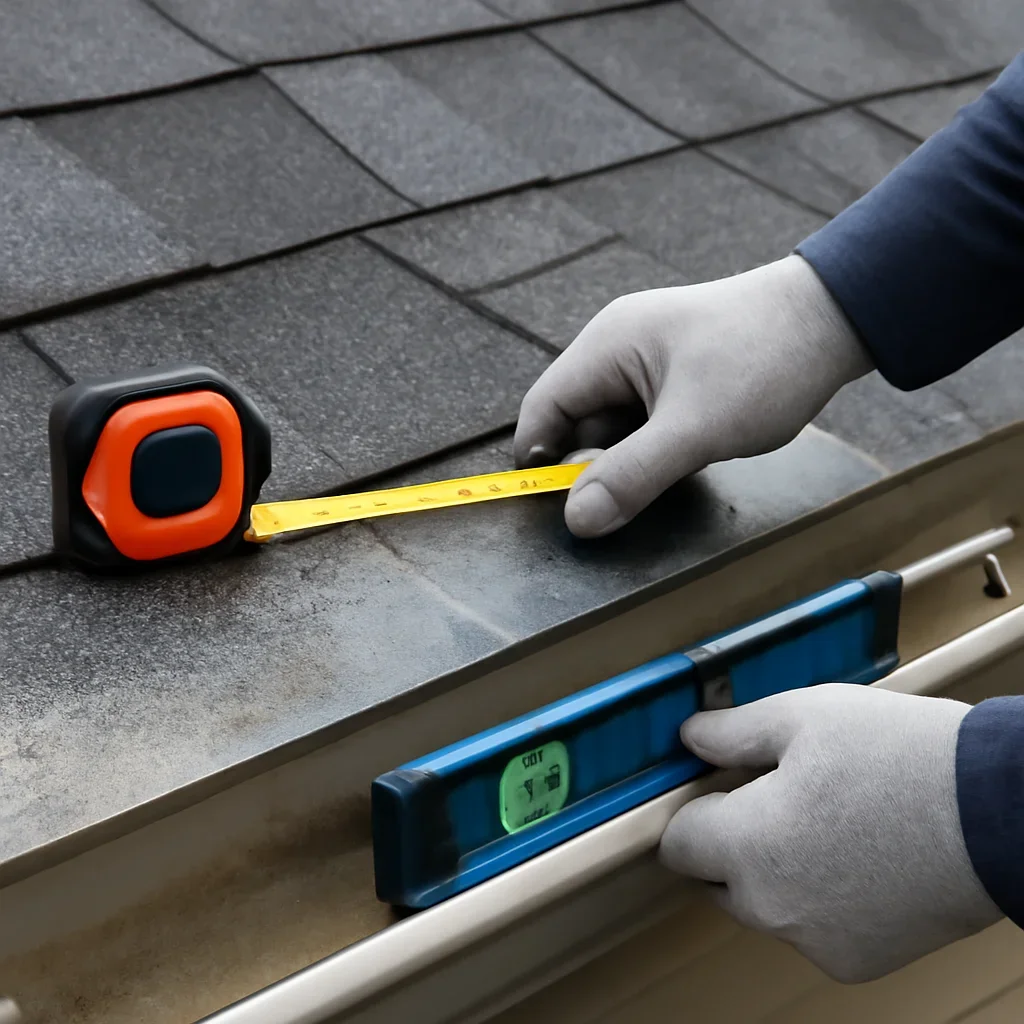
When a roofing system decision depends on concealed layers, exact measurements, safe access or material compatibility, a property inspection is the responsible next step.
To keep the roofing systems decision route practical and verifiable, whichever route you choose, the proposal should connect the observed condition to the selected method, name the materials and exclusions, identify who may approve changes and describe the closeout record.
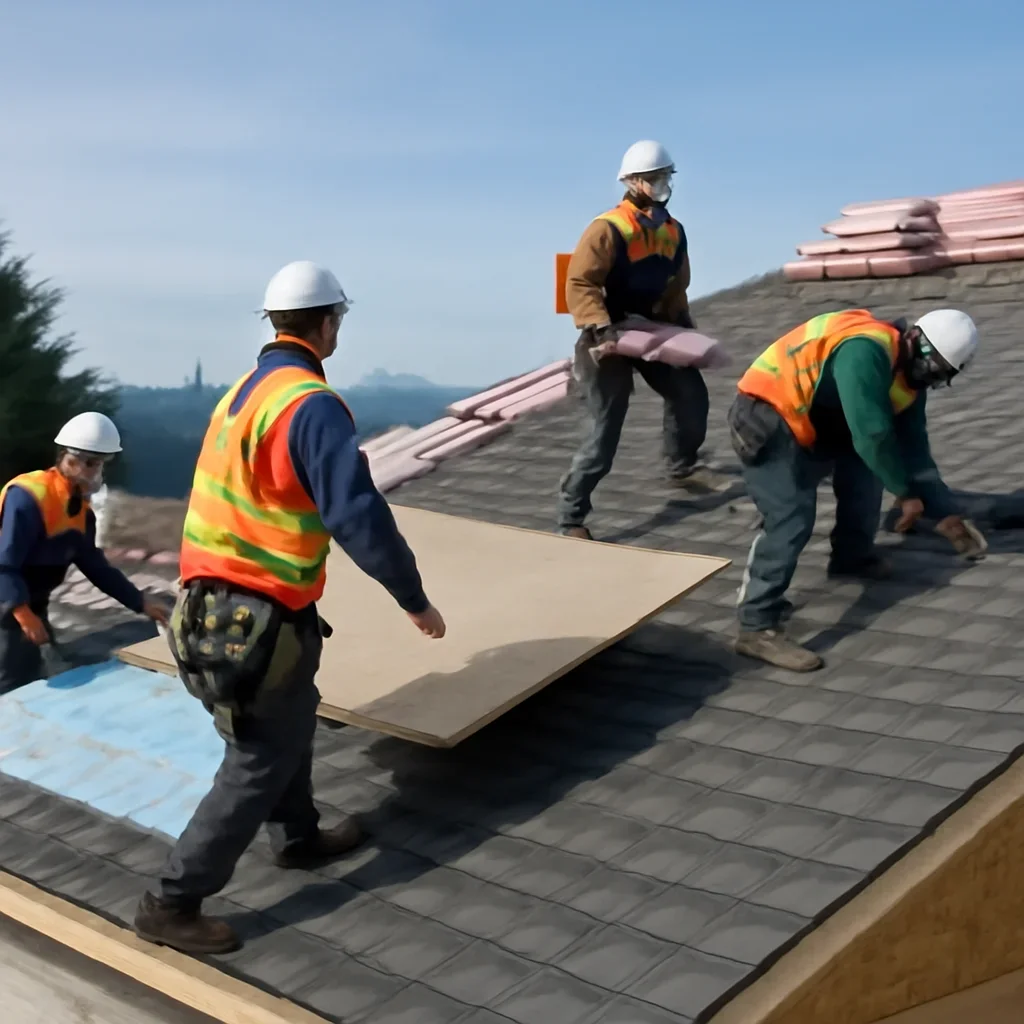
These answers clarify how to use roofing systems while keeping the final recommendation tied to the property.
There is no single best material for every region or building. Coastal rain, Interior heat, northern snow, slope and maintenance access all change the choice.
Yes, but the transition needs a designed tie-in and compatible materials. Ordinary sealant is not a complete connection between unlike systems.
Manufacturer and workmanship warranties are separate. Read both documents, including exclusions, registration and maintenance requirements.
For the roofing systems decision route, share the address, building type, roof concern, timing and any safe photographs or reports. Roofing Star can direct the roofing systems question to the appropriate assessment, service or planning route.