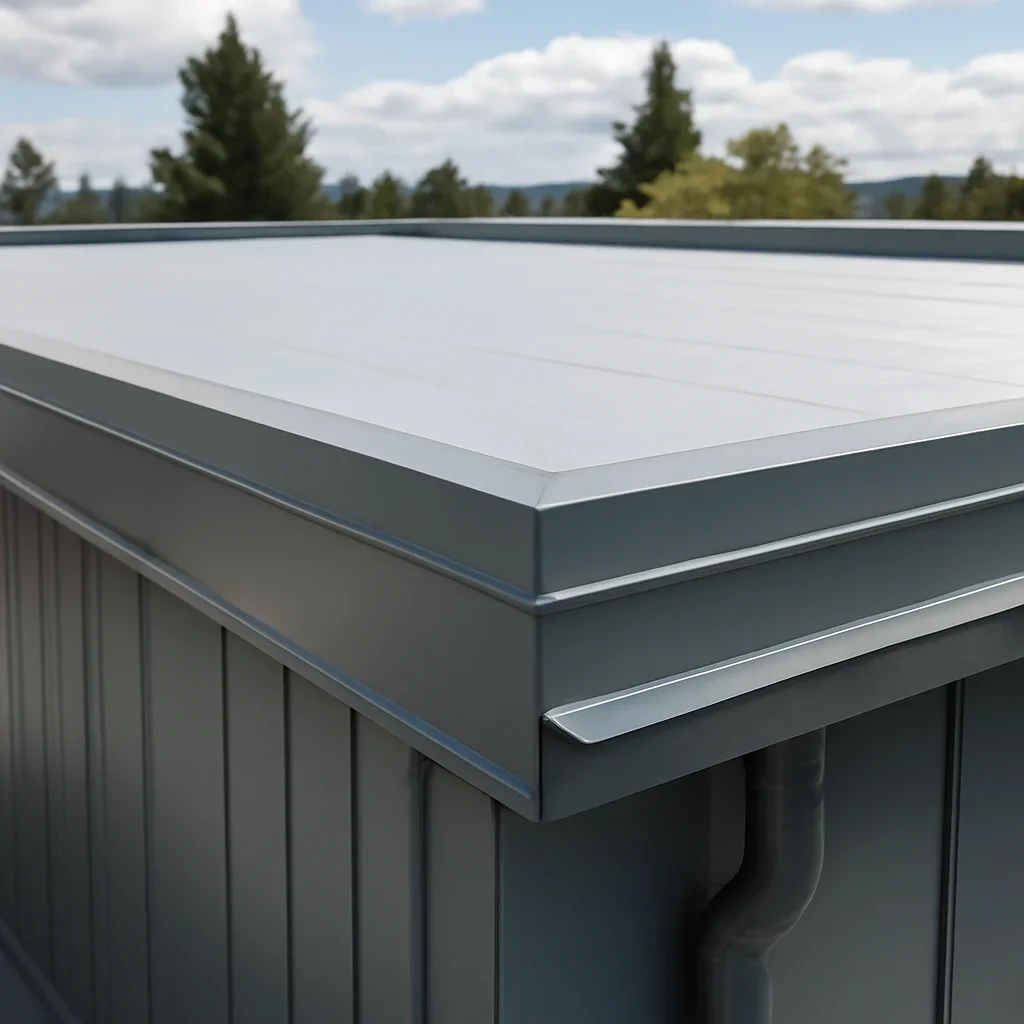
Start with the building
Before choosing the commercial roofing decision route, identify property type, roof geometry, occupied areas, access and the decision-maker.
Commercial roofing must protect the building while respecting operations, tenants, equipment, access and capital timing. Condition by roof zone is more useful than treating a large roof as one uniform surface.
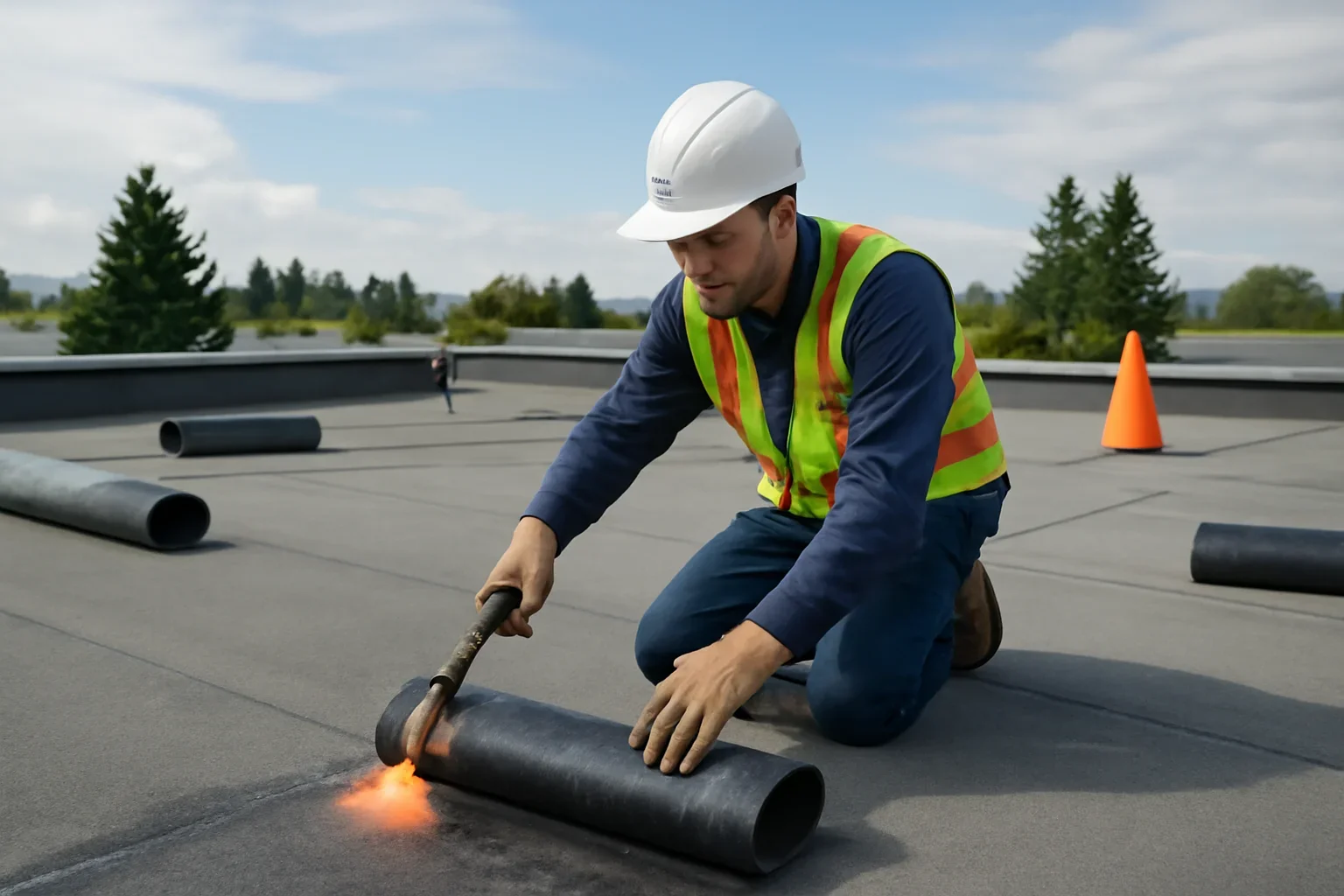
For the commercial roofing decision route, identify the building, reported condition, decision-maker and timing first. While reviewing the commercial roofing decision route, the correct branch is the one that supplies the inspection points and records needed for that exact question.
In the written record for the commercial roofing decision route, these filters keep the next step tied to a real property, approval or record.
Before choosing the commercial roofing decision route, identify property type, roof geometry, occupied areas, access and the decision-maker.
Along the commercial roofing decision route, record the symptom, likely water path, material state, drainage and any inaccessible areas.
Within the commercial roofing decision route, compare options by scope, risk, service life, disruption, assumptions and written responsibility.
When the commercial roofing decision route is reviewed, every card has a distinct topic, audience or decision path.
Commercial roof repair must integrate with the existing system and preserve drainage; begin by checking wet insulation extending beyond the opening.
A commercial roof replacement is a capital project that affects occupants, equipment, drainage and future maintenance, and the written scope should explain how it treats wet insulation left in place.
A commercial roof inspection should create a repeatable condition record, not a one-time photo dump; compare options by how well they address drains hidden by debris.
Commercial preventive maintenance combines scheduled inspection, drainage cleaning, minor repair and records; begin by checking loose perimeter metal.
Flat roofs are designed with slight slope and controlled drainage; they are not truly flat, and the written scope should explain how it treats wet insulation and trapped moisture.
Industrial roofing must account for operations, large roof areas, exhausts, heat, chemicals, equipment traffic and shutdown constraints; compare options by how well they address process exhaust attacking materials.
Multi-family roofing requires technical scope and resident coordination; begin by checking shared drainage and wall interfaces.
Strata roofing decisions should be documented so council, owners and future property managers can understand the condition, options and timing, and the written scope should explain how it treats reserve planning disconnected from current condition.
Roof asset management turns inspections, repairs, warranties and budgets into a living record; compare options by how well they address capital dates based only on age.
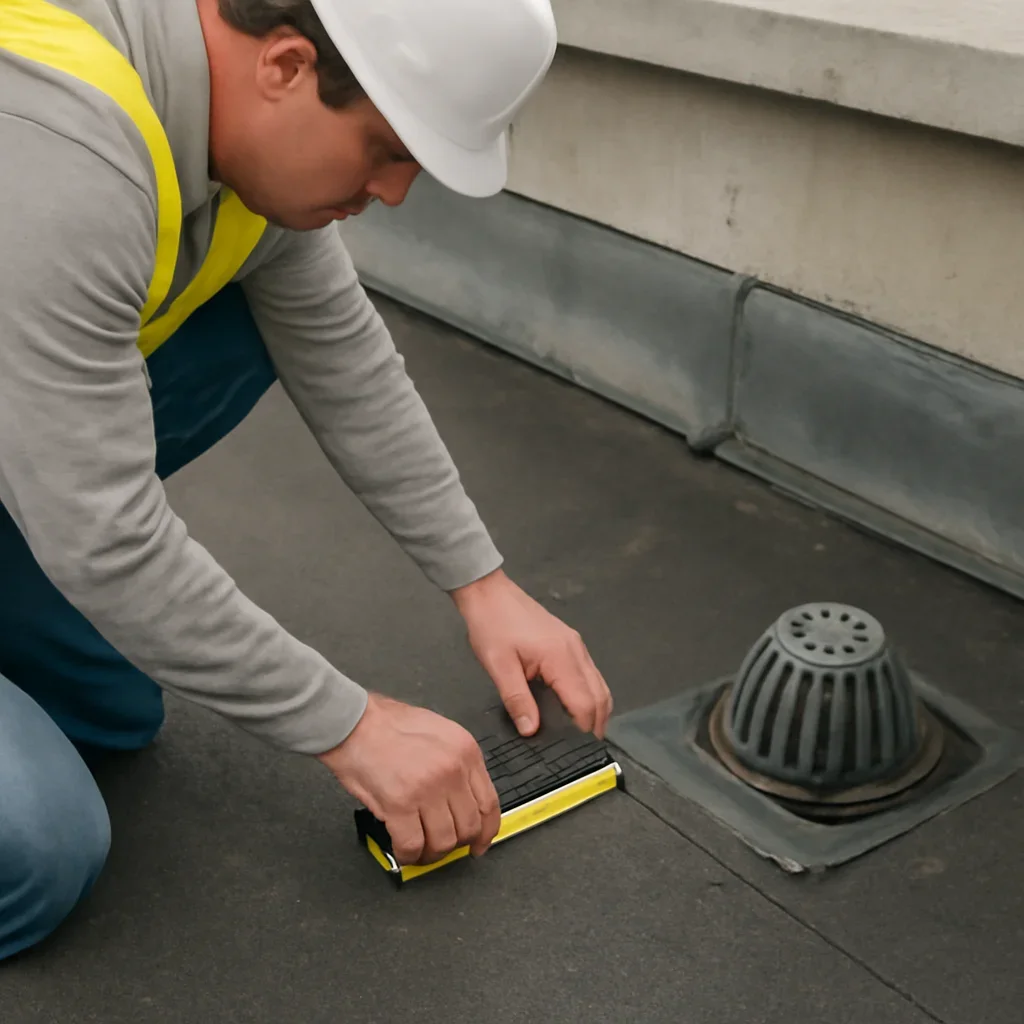
A usable result
By the end of the commercial roofing decision route, you should have a clearer condition summary, the assumptions that remain, the options worth comparing and the records required before approval.
When a commercial roofing decision depends on concealed layers, exact measurements, safe access or material compatibility, a property inspection is the responsible next step.
To keep the commercial roofing decision route practical and verifiable, whichever route you choose, the proposal should connect the observed condition to the selected method, name the materials and exclusions, identify who may approve changes and describe the closeout record.
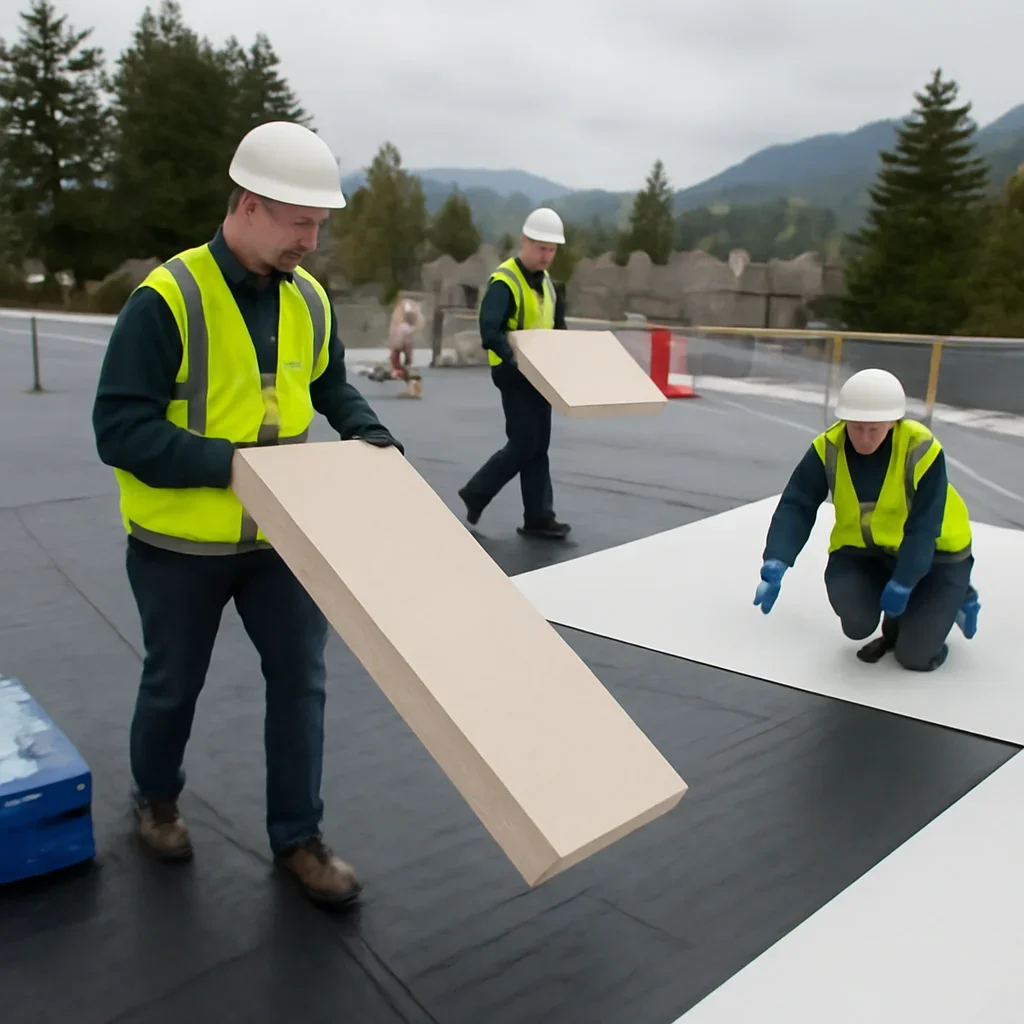
These answers clarify how to use commercial roofing while keeping the final recommendation tied to the property.
Often, provided noise, odour, access and rooftop equipment are coordinated. Sensitive uses may require restricted work windows or alternate materials.
Many buildings use spring and fall inspections plus checks after major storms or rooftop work. Frequency should reflect age, system, traffic and leak history.
A roof inventory, condition by zone, repair history, moisture evidence, warranty terms and realistic replacement assumptions support a defensible forecast. The written commercial roofing scope should show how that answer applies to the property.
For the commercial roofing decision route, share the address, building type, roof concern, timing and any safe photographs or reports. Roofing Star can direct the commercial roofing question to the appropriate assessment, service or planning route.