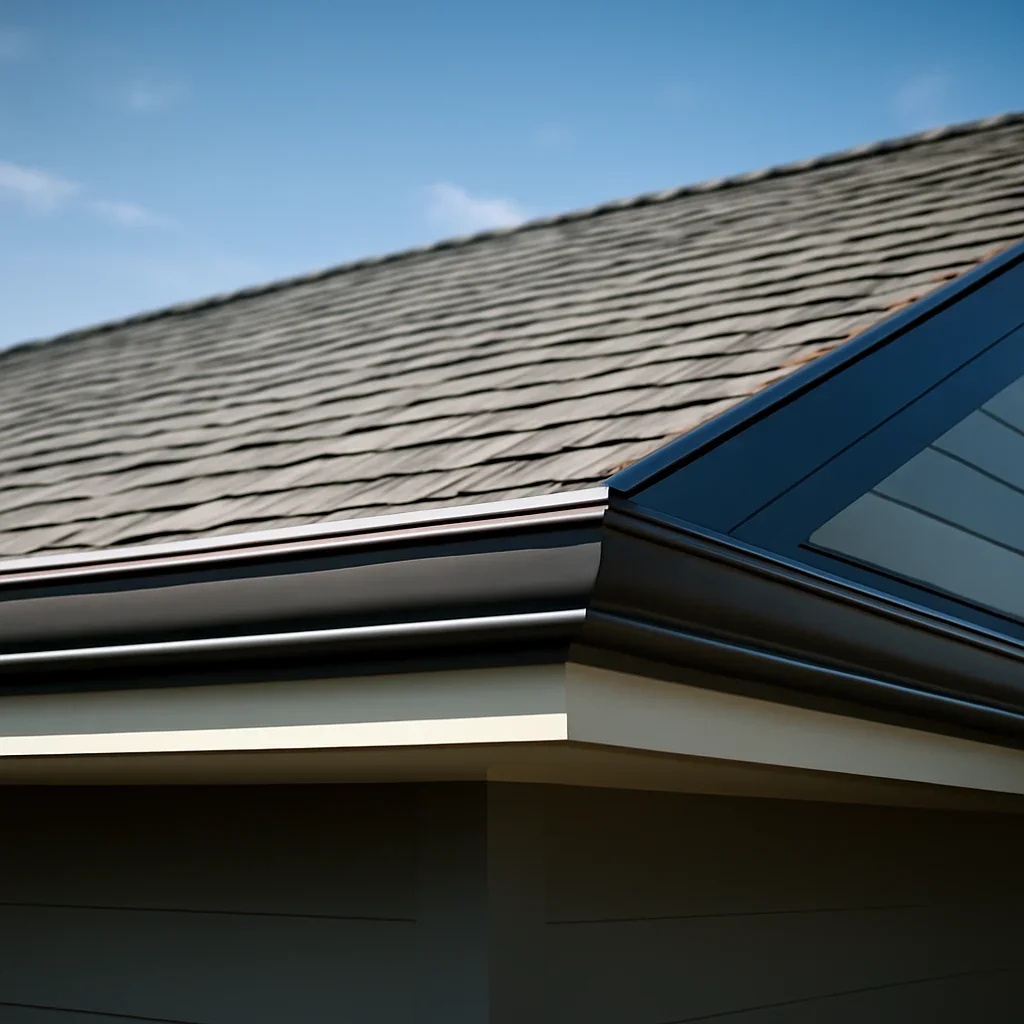
Show the starting condition
Before approving the roofing projects record, dated images and notes should identify the roof area, symptom, access and relevant interior evidence.
A useful project record connects the starting condition, diagnosis, approved scope, materials, constraints and verified result. No case-study claim should appear without a real job file, original photographs and permission to publish.

For the roofing projects record, identify the building, reported condition, decision-maker and timing first. During review of the roofing projects record, the correct branch is the one that supplies the inspection points and records needed for that exact question.
In the roofing projects record, these filters keep the next step tied to a real property, approval or record.
Before approving the roofing projects record, dated images and notes should identify the roof area, symptom, access and relevant interior evidence.
As the roofing projects record moves from review to scope, the record should connect findings, alternatives and approved materials while keeping assumptions visible.
For decisions about the roofing projects record, completion photographs, changes, warranties and customer permission must support every published result.
When the scope for the roofing projects record is being checked, every card has a distinct topic, audience or decision path.
At the next planning step for the roofing projects record, a residential project example is useful only when the starting condition, roof assembly, access, approved scope and closeout can be traced to one real home; while the evidence for the roofing projects record is being assembled, Roofing Star has not supplied verified job files for the examples linked here, so no completed result is claimed.
To keep the roofing projects record practical and verifiable, commercial project comparisons need roof-zone records, drainage and equipment context, operational constraints, approved materials and documented closeout; for the roofing projects record, the linked examples remain unverified until source files are approved.
During review of the roofing projects record, a metal-roof record should identify panel profile, substrate, attachment, flashings, penetrations, thermal movement and the finished edge details; in the roofing projects record, no installation outcome is presented without original project evidence.
Before approving the roofing projects record, low-slope project records should connect membrane type, moisture findings, drainage, curbs, parapets, tie-ins and phased dry-in to the final scope; as the roofing projects record moves from review to scope, the examples below do not claim completion without verified files.
For decisions about the roofing projects record, exterior project evidence should show how gutters, fascia, soffit, siding or envelope details connect to the roof and drainage path; when the scope for the roofing projects record is being checked, no result is attributed to Roofing Star until photographs and records are confirmed.
Project records should connect the starting condition, approved scope and verified closeout.
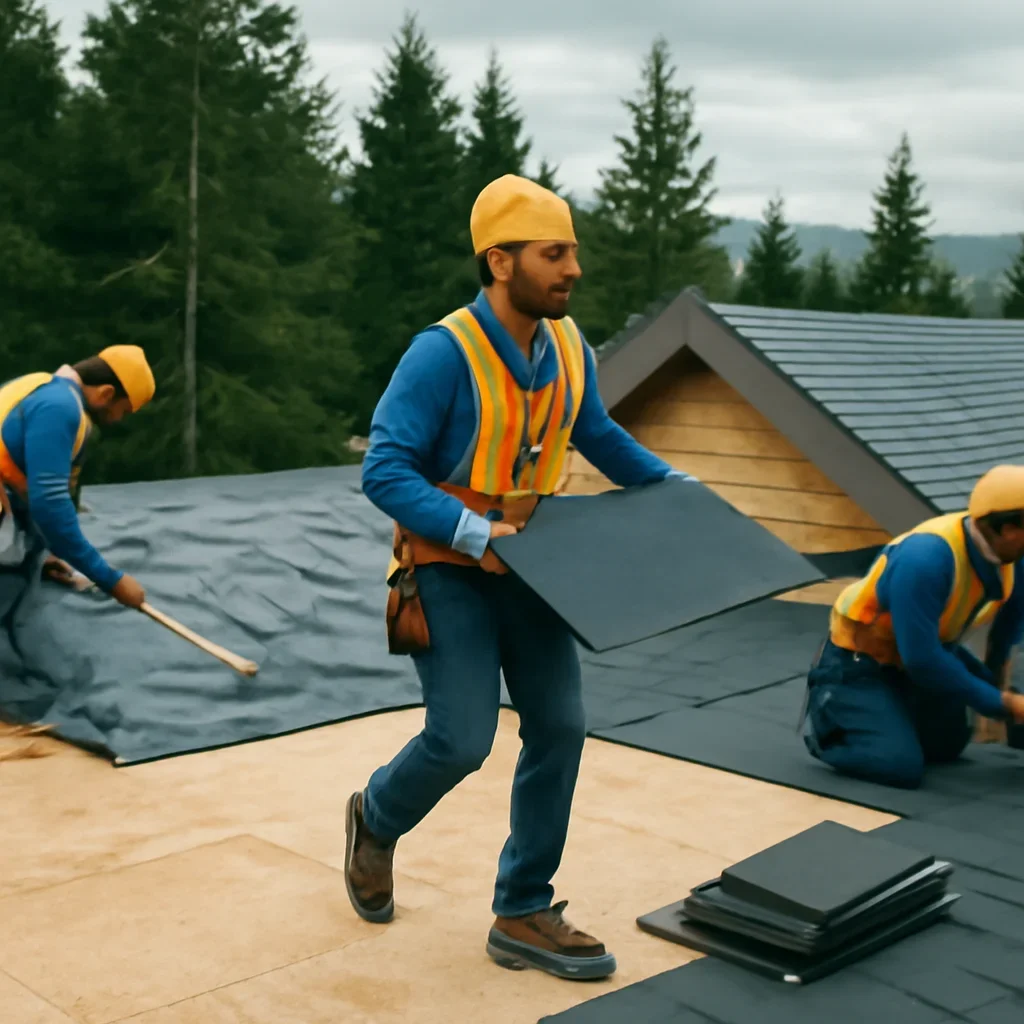
A usable result
At the next planning step for the roofing projects record, by the end of the selected route, you should have a clearer condition summary, the assumptions that remain, the options worth comparing and the records required before approval.
When a project evidence decision depends on concealed layers, exact measurements, safe access or material compatibility, a property inspection is the responsible next step.
These answers clarify how to use roofing projects while keeping the final recommendation tied to the property.
A credible case study identifies the property type, verified location, starting condition, scope, materials, constraints and outcome. Photographs, dates and permission should support the claims made.
A project should not be presented as completed until a real job file and original evidence are available. Holding an unverified example back is more trustworthy than filling the gap with a generic success story.
Yes. Share the roof type, concern and location so Roofing Star can check for a verified example. A similar condition and assembly matter more than an identical title.
To keep the roofing projects record practical and verifiable, share the address, building type, roof concern, timing and any safe photographs or reports. Roofing Star can direct the roofing projects question to the appropriate assessment, service or planning route.