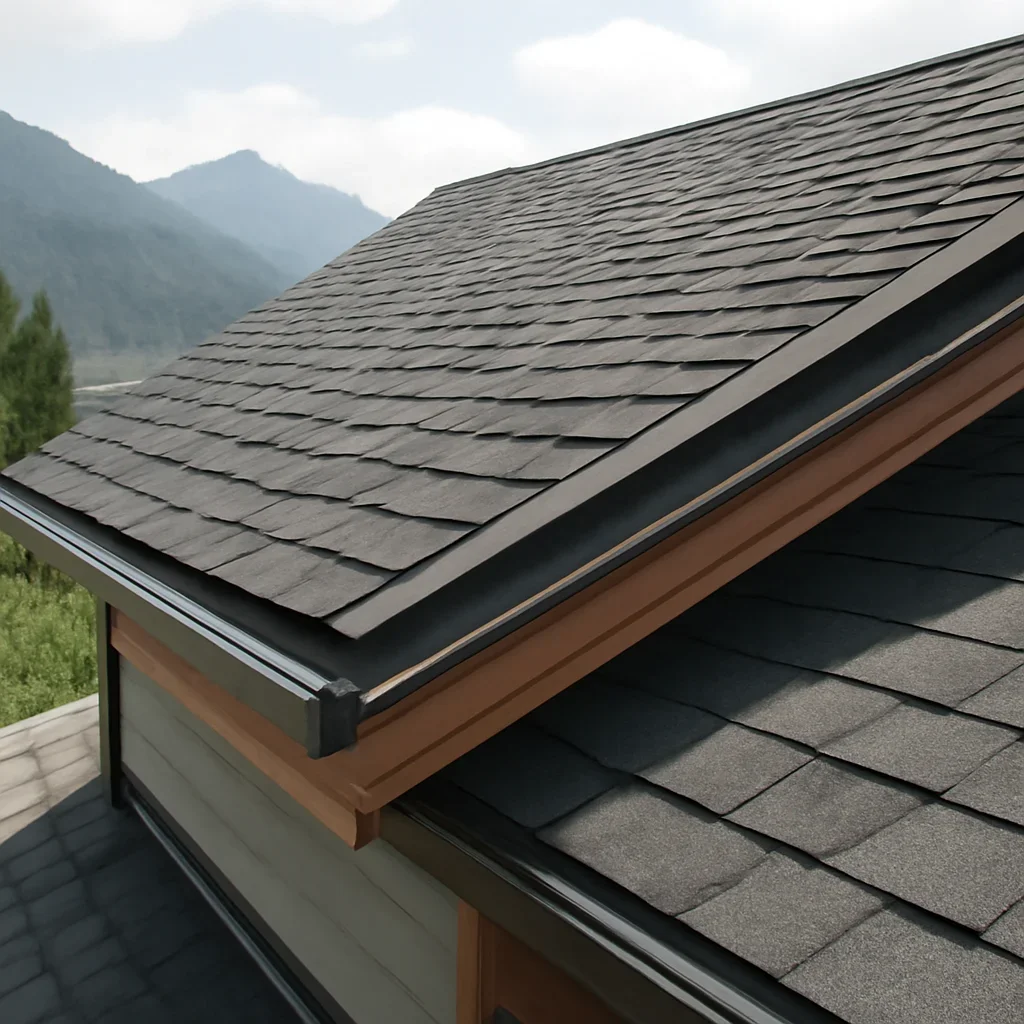
Water and drainage
Snow movement and eave details should be checked in relation to the roof system, the consequence of failure and the proposed work window.

Sea-to-Sky roofs face mountain weather, strong winds, rain, snow and rapid changes between elevations. Roofing Star considers planned work in Squamish, Whistler and communities along the corridor, subject to the exact address, scope and schedule.

Across Sea-to-Sky, climate and logistics shape the inspection plan, but the roof’s condition, building use and exact exposure still control the recommendation.
These are regional priorities, not automatic findings at every Sea-to-Sky property.
Snow movement and eave details should be checked in relation to the roof system, the consequence of failure and the proposed work window.
Wind attachment and perimeter securement should be checked in relation to the roof system, the consequence of failure and the proposed work window.
Weather windows and safe access should be checked in relation to the roof system, the consequence of failure and the proposed work window.
Ventilation and freeze-thaw conditions should be checked in relation to the roof system, the consequence of failure and the proposed work window.
Regional planning
For the Sea-to-Sky project plan, identify the municipality, elevation or exposure where relevant, roof system, occupants and the decision the owner needs to make.
During the review of the Sea-to-Sky project plan, document drainage, penetrations, edges, previous repairs, staging limits and any interior evidence connected to the concern.
Account for delivery, disposal, product application limits and a realistic contingency for snow movement and eave details.
In the written record for the Sea-to-Sky project plan, the proposal should state travel, weather, access and material assumptions so schedule changes have a clear basis.

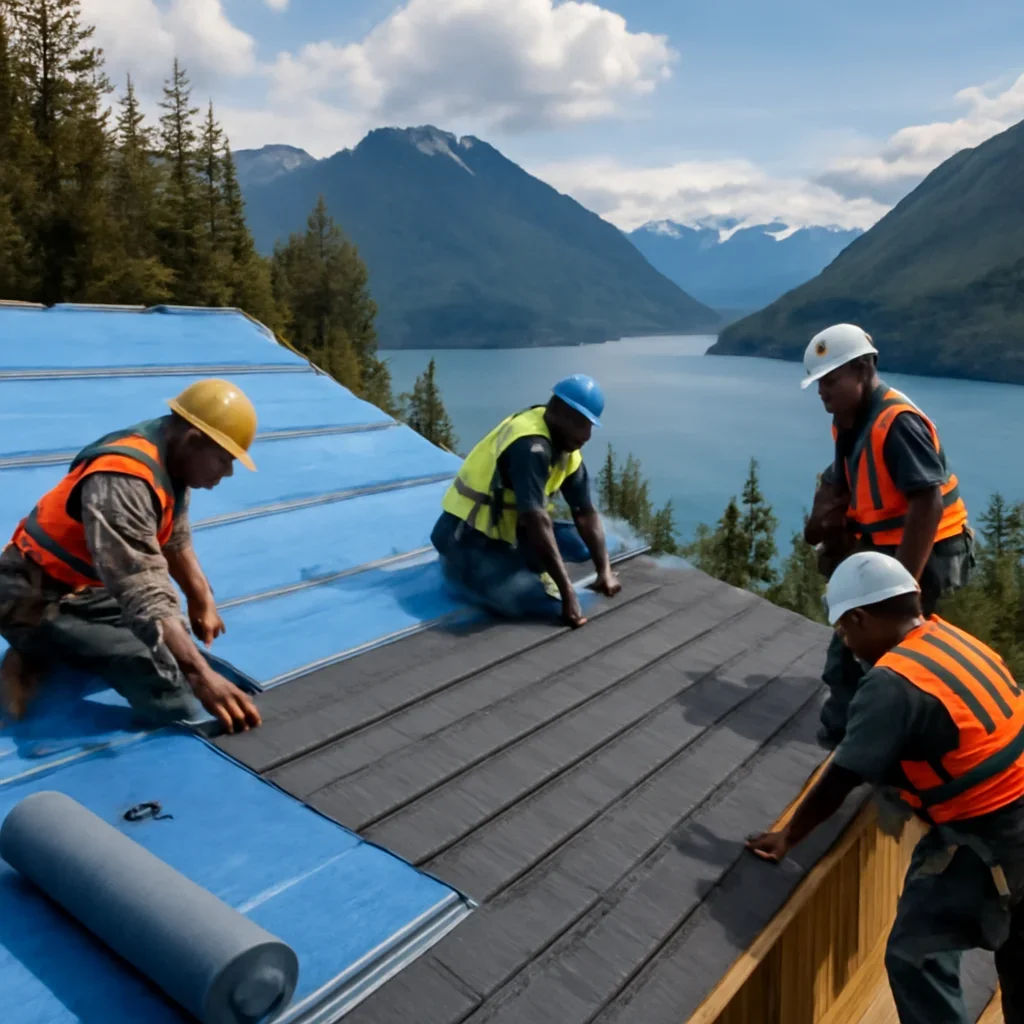
For Sea-to-Sky, the field review should connect snow movement and eave details with nearby edges, walls, penetrations and drainage instead of treating climate as a general label.
When access or weather prevents confirmation in Sea-to-Sky, the estimate should identify that limit and state how the condition will be checked before extra work is approved.
Before approving regional roofing work across Sea-to-Sky, confirm the legal contracting party, current insurance and WorkSafeBC information where applicable, the proposed system and the written warranty responsibilities.
For regional roofing work across Sea-to-Sky, photographs, references and reviews are useful only when the source is clear, customer permission is respected and the work shown is genuinely comparable.
These routes separate the service, location, evidence and approval questions surrounding the Sea-to-Sky regional plan.
Review roof repair when lifted, split or missing roofing affects the Sea-to-Sky regional plan.
Roof replacement connects hidden deck deterioration with the records needed for the Sea-to-Sky regional plan.
Before finalizing the Sea-to-Sky regional plan, consult exterior services for guidance on the decision route for exterior services.
These answers address service confirmation, material context and the limits of remote review in Sea-to-Sky.
As the Sea-to-Sky project plan moves from review to scope, send the exact address, building type, roof system and requested timing. Roofing Star will confirm whether the project scope, travel plan and current capacity fit work in Sea-to-Sky.
Yes. For decisions about the Sea-to-Sky project plan, slope, substrate, drainage, exposure and maintenance access change system details. In Sea-to-Sky, the review also considers snow movement and eave details, wind attachment and perimeter securement.
When the scope for the Sea-to-Sky project plan is being checked, photographs can support early triage and show visible conditions, but they do not verify concealed layers, dimensions or safe access. At the next planning step for the Sea-to-Sky project plan, a site visit may still be required before scope and price are final.
While the evidence for the Sea-to-Sky project plan is being assembled, send the exact address, building type, known roof system, concern, timing and safe photographs. Roofing Star can review current capacity and the planning implications of snow movement and eave details for this Sea-to-Sky project.