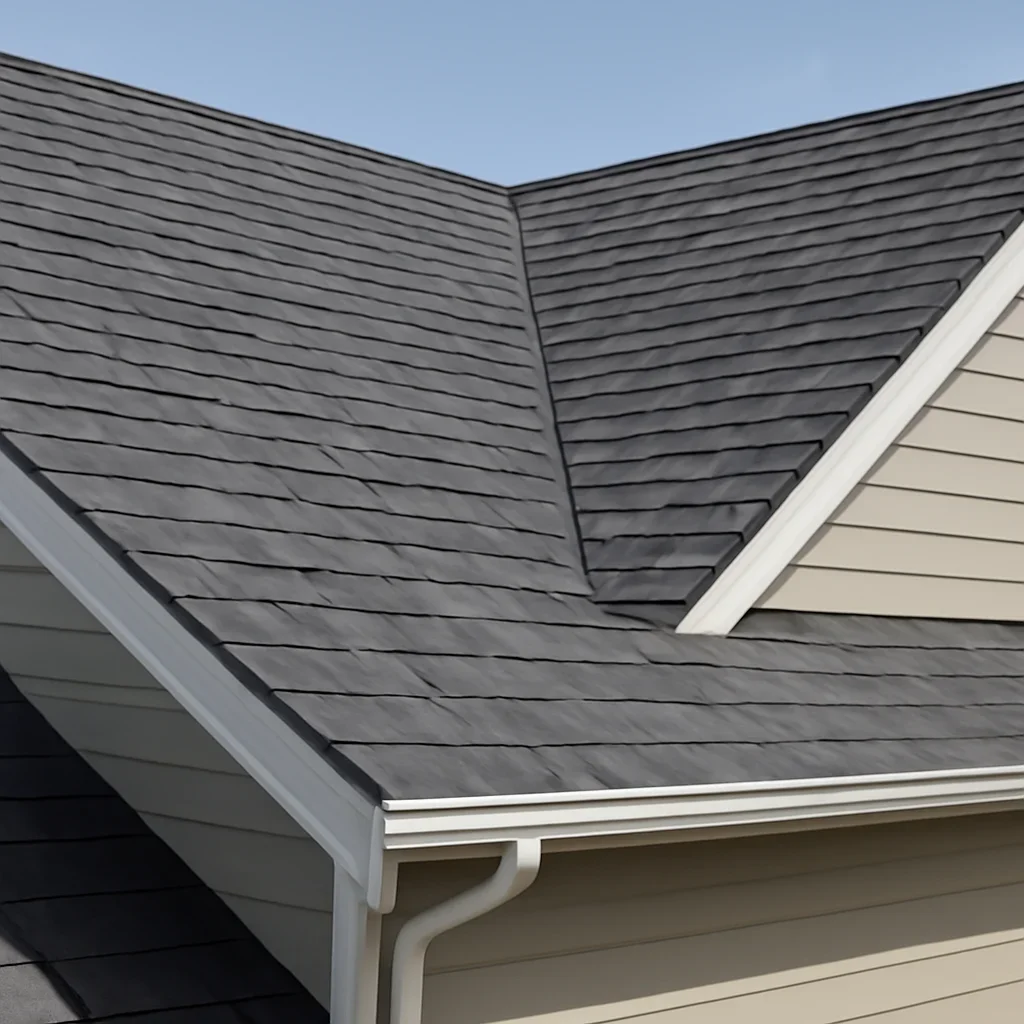
Normalize unlike projects
Separate roof area, system, removal, deck work, access and disposal so unlike scopes are not treated as one price; photographs, measurements or records should confirm verified completed estimates.

A credible roofing cost index requires verified estimates, consistent scope categories and a stated time period. Without that dataset, cost drivers are more useful than invented averages.
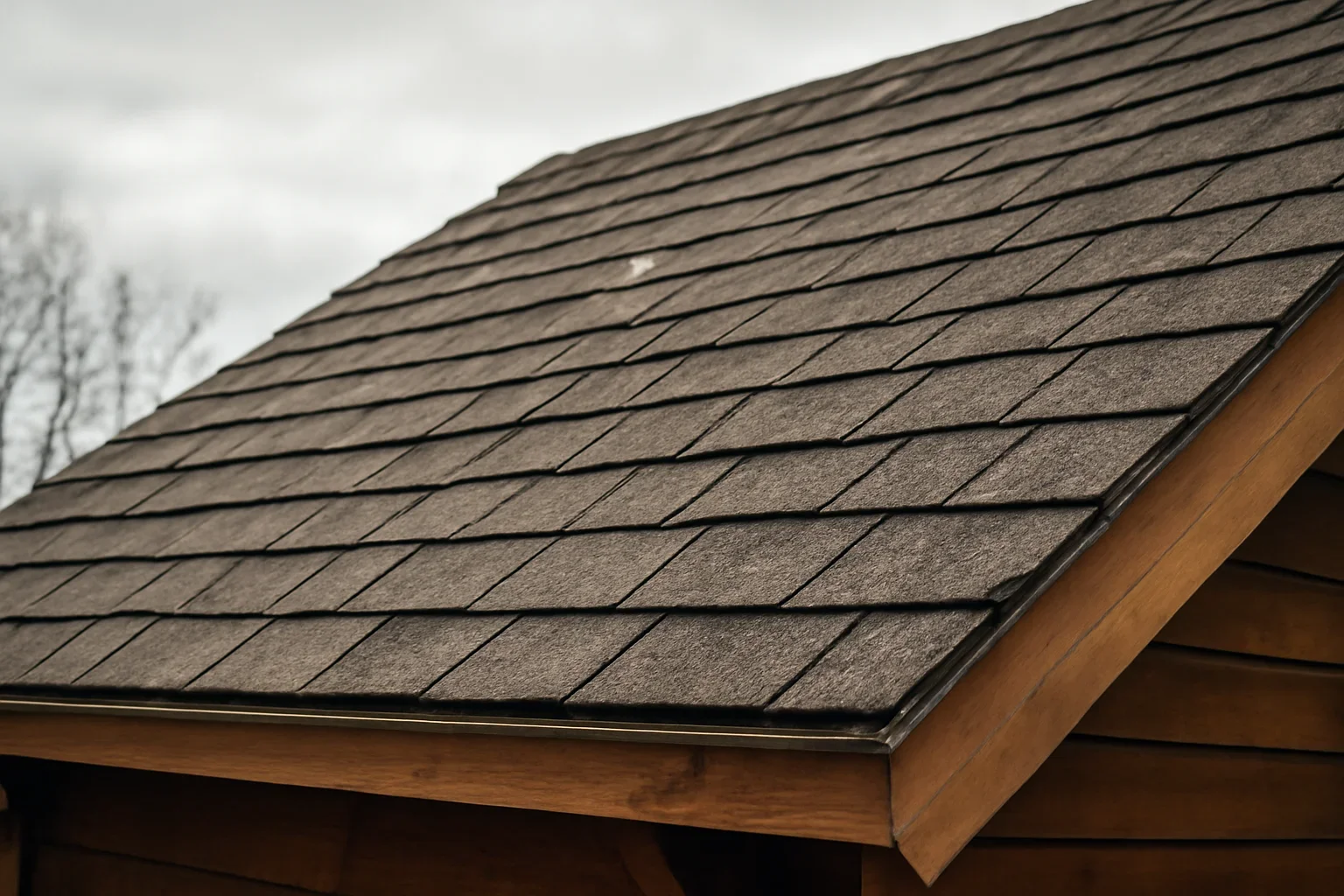
Separate roof area, system, removal, deck work, access and disposal so unlike scopes are not treated as one price. The comparison should also account for verified completed estimates and consistent scope categories.
Each checkpoint tests a different part of annual roofing-cost data index against property evidence and the proposed scope.
Separate roof area, system, removal, deck work, access and disposal so unlike scopes are not treated as one price; photographs, measurements or records should confirm verified completed estimates.
Only verified records from the stated period should enter the calculation, with customer details removed; the written conclusion should show the effect of consistent scope categories on the result.
Any change should be paired with sample size, scope mix and methodology so readers can interpret it responsibly; recheck time period when the condition, scope or timing changes.

Property-specific inputs
For the annual roofing-cost data index, keep measurements, observations and assumptions separate. During the review of the annual roofing-cost data index, any input that cannot be verified safely should remain conditional until a site review or controlled opening provides evidence.
Use the table to organize the conditions, responsibilities and next actions that affect annual roofing-cost data index.
| Estimate component | Why it changes cost | What to confirm |
|---|---|---|
| Roof geometry | More edges and transitions increase labour | Measured plan and waste factor |
| Existing layers | Removal and disposal vary | Number and type of layers |
| Concealed damage | Cannot always be measured before opening | Unit rates and approval process |
In the written record for the annual roofing-cost data index, a documented next step is more useful than a universal answer detached from the roof.
Gather the address, building type, roof system, known age, repair history and records related to verified completed estimates.
Use safe photographs, inspection notes and measurements to assess consistent scope categories without asking an owner to climb onto the roof.
Check how each option treats time period, geography and any concealed condition that could change the scope.
Write down the chosen action, assumptions, timing and the evidence still needed about outlier and privacy rules.
These routes separate the service, location, evidence and approval questions surrounding the annual roofing-cost data index decision.
Review roofing resources when the decision route for roofing resources affects the annual roofing-cost data index decision.
Homeowner roofing-estimate checklist connects property and roof measurements with the records needed for the annual roofing-cost data index decision.
Before finalizing the annual roofing-cost data index decision, consult request a roofing estimate for guidance on the information needed to qualify the estimate request.
These direct answers address the property details most likely to change a decision about annual roofing-cost data index.
No. Square footage misses slope, layers, access, flashing, deck condition and product specification. It can support early budgeting, not a final scope.
They may include different materials, preparation, deck allowances, warranties or cleanup. Compare line items and assumptions before comparing totals.
No. Any range should be tied to a documented dataset, date, geography and scope. Without that evidence, explain the cost drivers and request a measured estimate.
Before approving the annual roofing-cost data index, send the address, building type, known roof system, safe photographs and timing. Roofing Star can compare the guidance on annual roofing-cost data index with the property condition and explain whether an inspection, estimate or maintenance plan is the right next step.