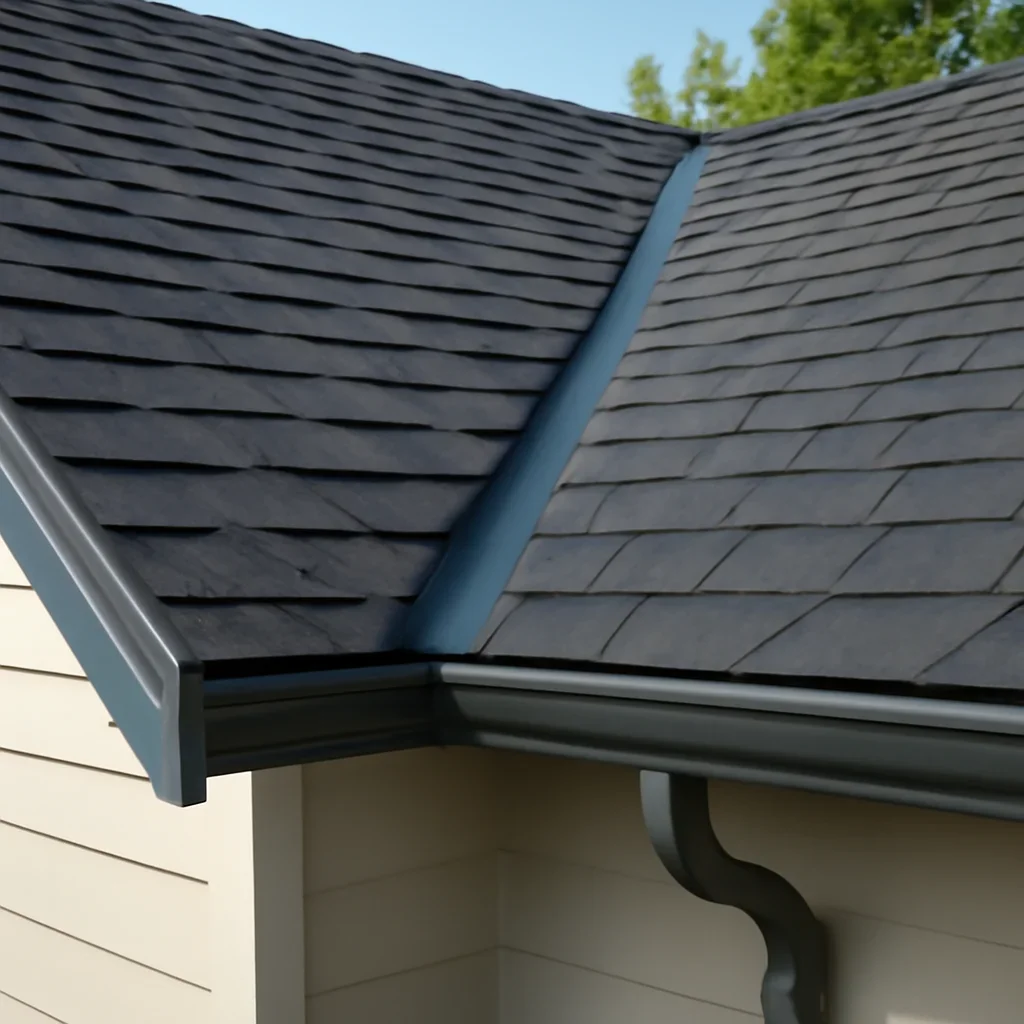
Start with the building
Before choosing the residential roofing decision route, identify property type, roof geometry, occupied areas, access and the decision-maker.

Home roofing decisions often begin with a leak, visible wear or a planned renovation. The useful question is whether the surrounding roof can support a focused repair or whether several components need to be renewed together.

For the residential roofing decision route, identify the building, reported condition, decision-maker and timing first. While reviewing the residential roofing decision route, the correct branch is the one that supplies the inspection points and records needed for that exact question.
In the written record for the residential roofing decision route, these filters keep the next step tied to a real property, approval or record.
Before choosing the residential roofing decision route, identify property type, roof geometry, occupied areas, access and the decision-maker.
Along the residential roofing decision route, record the symptom, likely water path, material state, drainage and any inaccessible areas.
Within the residential roofing decision route, compare options by scope, risk, service life, disruption, assumptions and written responsibility.
When the residential roofing decision route is reviewed, every card has a distinct topic, audience or decision path.
A durable roof repair addresses the path of water and the failed detail, not only the stain inside; begin by checking lifted, split or missing roofing.
Roof replacement is more than installing a new surface, and the written scope should explain how it treats incompatible old and new flashing details.
A new roof performs best when roofing, framing, ventilation, insulation and water management are coordinated before installation begins; compare options by how well they address temporary exposure before dry-in.
An emergency roof response first limits active water entry and protects people, finishes and equipment; begin by checking unsafe access during wind, rain or snow.
Leak detection is a process of narrowing possibilities, testing details and confirming the most likely path, and the written scope should explain how it treats plumbing or wall leakage mistaken for a roof problem.
A roof inspection should produce usable decisions: what is urgent, what can be monitored and what should be budgeted; compare options by how well they address defects hidden by prior patches.
Preventive roof maintenance keeps drainage open, catches small detail failures and creates a record of change over time; begin by checking open sealant at penetrations.
Storm damage should be documented before temporary or permanent work changes the evidence, and the written scope should explain how it treats displaced flashing and gutters.
A leaking skylight may fail at the glazing, frame, flashing kit, roof integration or surrounding condensation path; compare options by how well they address condensation from interior humidity.
Chimney leaks often originate at step flashing, counterflashing, the uphill saddle or cracked masonry above the roof; begin by checking roofing layers that bury the original detail.
Roof ventilation works with insulation and air sealing, and the written scope should explain how it treats blocked soffit intake.
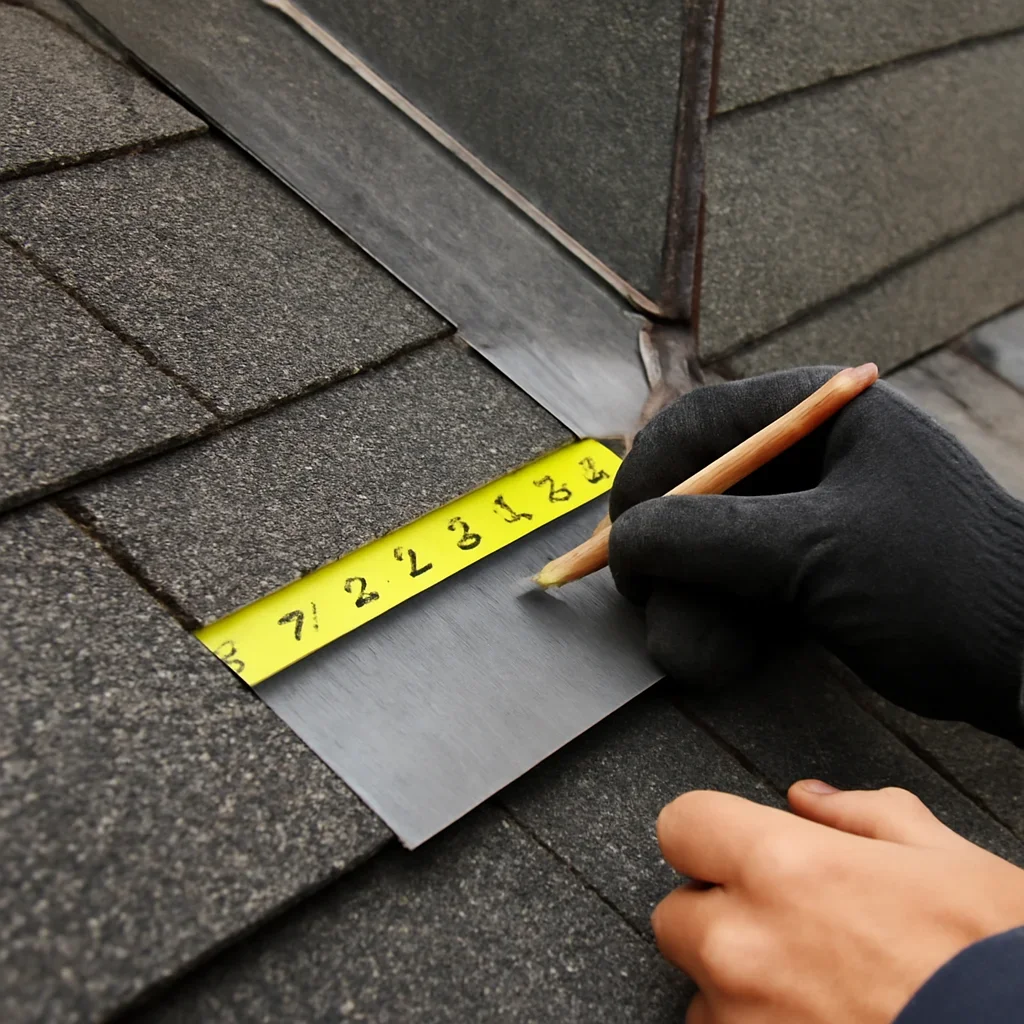
A usable result
By the end of the residential roofing decision route, you should have a clearer condition summary, the assumptions that remain, the options worth comparing and the records required before approval.
When a residential roofing decision depends on concealed layers, exact measurements, safe access or material compatibility, a property inspection is the responsible next step.
To keep the residential roofing decision route practical and verifiable, whichever route you choose, the proposal should connect the observed condition to the selected method, name the materials and exclusions, identify who may approve changes and describe the closeout record.

These answers clarify how to use residential roofing while keeping the final recommendation tied to the property.
A repair fits an isolated defect on a roof with remaining service life. Replacement becomes more likely when wear is widespread, leaks recur or the deck has broad damage.
Share the address, roof age if known, leak history, safe photos and timing concerns. Mention skylights, additions, chimneys and prior repairs.
It can when those components affect roof performance. The estimate should state exactly which related work is included and which trade is responsible.
For the residential roofing decision route, share the address, building type, roof concern, timing and any safe photographs or reports. Roofing Star can direct the residential roofing question to the appropriate assessment, service or planning route.