Assembly terms
Deck, underlayment, insulation, cover board and roof covering describe different layers; photographs, measurements or records should confirm deck.
The roofing glossary translates common terms into plain language so property owners can read estimates, reports and warranties with less ambiguity.
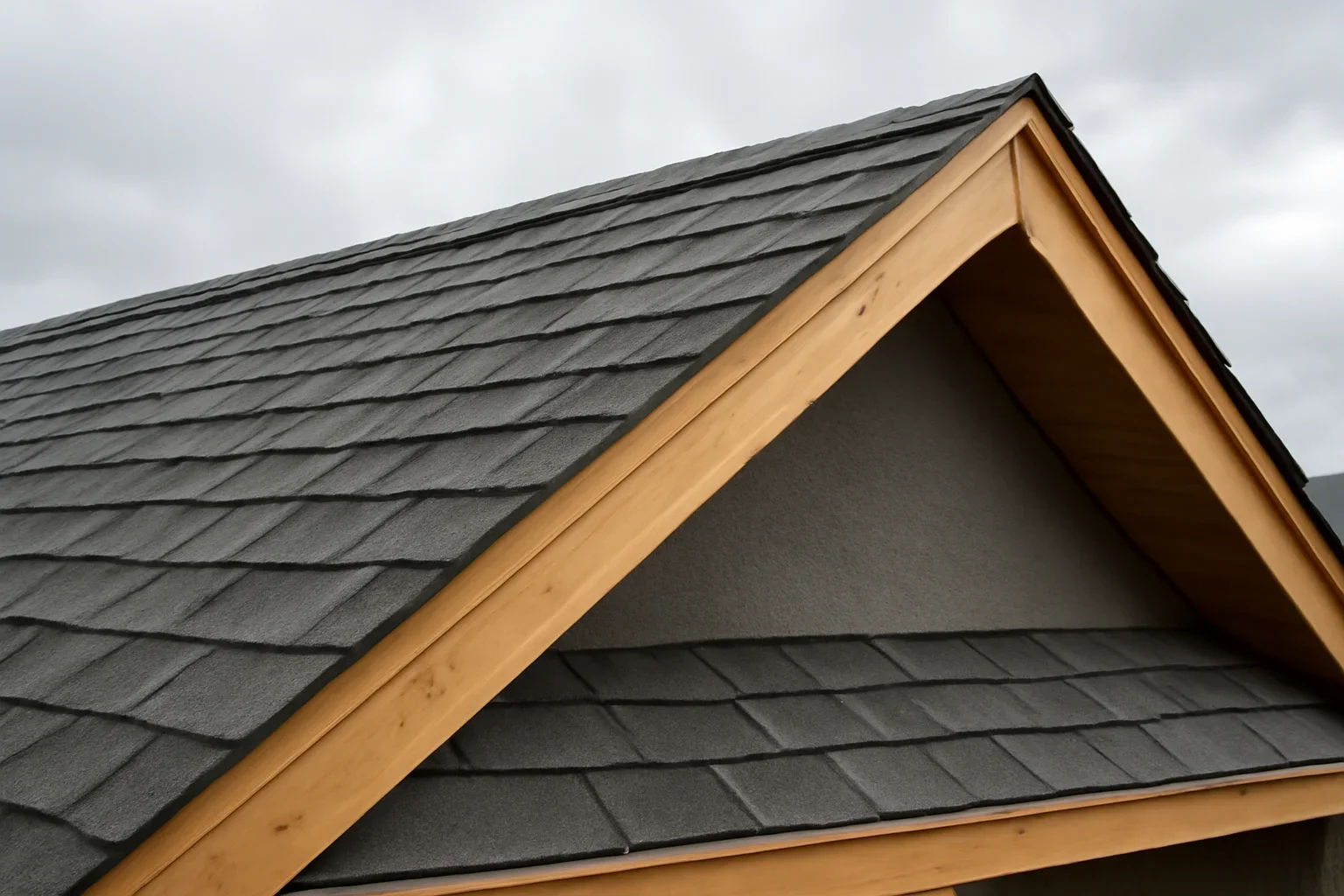
Deck, underlayment, insulation, cover board and roof covering describe different layers. The comparison should also account for deck and underlayment.
Each checkpoint tests a different part of plain-language roofing reference against property evidence and the proposed scope.
Deck, underlayment, insulation, cover board and roof covering describe different layers; photographs, measurements or records should confirm deck.
Flashing, curb, penetration, valley, parapet and scupper identify common water-management locations; the written conclusion should show the effect of underlayment on the result.
Ponding, blister, granule loss, delamination and wet insulation describe observations, not always the final cause; recheck flashing when the condition, scope or timing changes.
Property-specific inputs
For the plain-language roofing reference, keep measurements, observations and assumptions separate. During the review of the plain-language roofing reference, any input that cannot be verified safely should remain conditional until a site review or controlled opening provides evidence.
Use the table to organize the conditions, responsibilities and next actions that affect plain-language roofing reference.
| Term | Plain-language meaning | Why it matters |
|---|---|---|
| Flashing | Material that directs water at transitions | Leaks often begin here |
| Underlayment | Layer below steep-slope roofing | Adds secondary protection |
| Scupper | Opening that drains a low-slope roof | Must stay clear |
| Cover board | Firm layer above insulation | Improves durability |
In the written record for the plain-language roofing reference, a documented next step is more useful than a universal answer detached from the roof.
Gather the address, building type, roof system, known age, repair history and records related to deck.
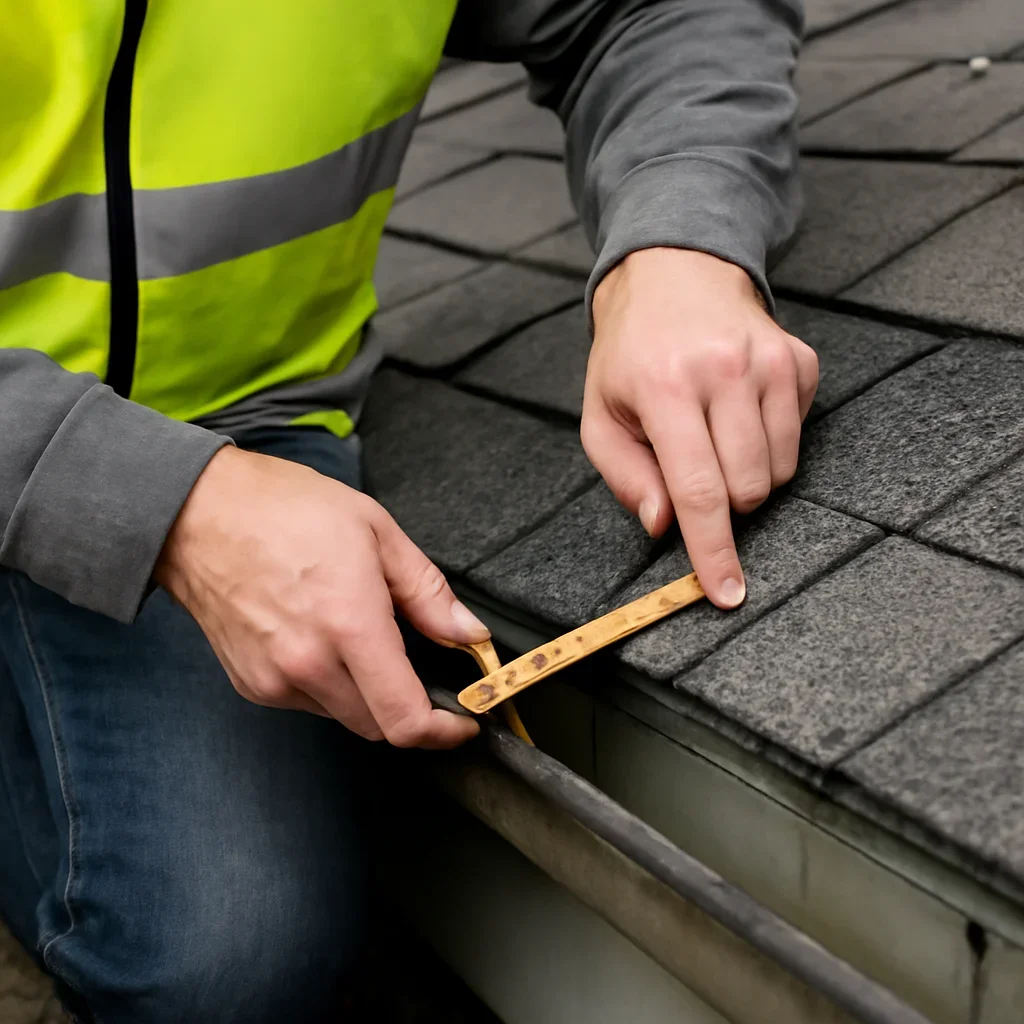
Use safe photographs, inspection notes and measurements to assess underlayment without asking an owner to climb onto the roof.
Check how each option treats flashing, membrane and any concealed condition that could change the scope.
Write down the chosen action, assumptions, timing and the evidence still needed about drainage.
These routes separate the service, location, evidence and approval questions surrounding the plain-language roofing reference decision.
Review roofing resources when the decision route for roofing resources affects the plain-language roofing reference decision.
Request a roofing estimate connects the information needed to qualify the estimate request with the records needed for the plain-language roofing reference decision.
Before finalizing the plain-language roofing reference decision, consult terms of use for guidance on Website terms, disclaimers and acceptable use.
These direct answers address the property details most likely to change a decision about plain-language roofing reference.
No. Membrane usually describes continuous low-slope waterproofing, while shingles are overlapping water-shedding units for suitable slopes. For plain-language roofing reference, records related to deck help narrow the uncertainty.
Any element passing through the roof, such as a vent, pipe, skylight or equipment curb. Each needs a compatible flashing detail.
Contractors and manufacturers may use system-specific language. Ask for a plain-language explanation and product documents.
Before approving the plain-language roofing reference, send the address, building type, known roof system, safe photographs and timing. Roofing Star can compare the guidance on plain-language roofing reference with the property condition and explain whether an inspection, estimate or maintenance plan is the right next step.
