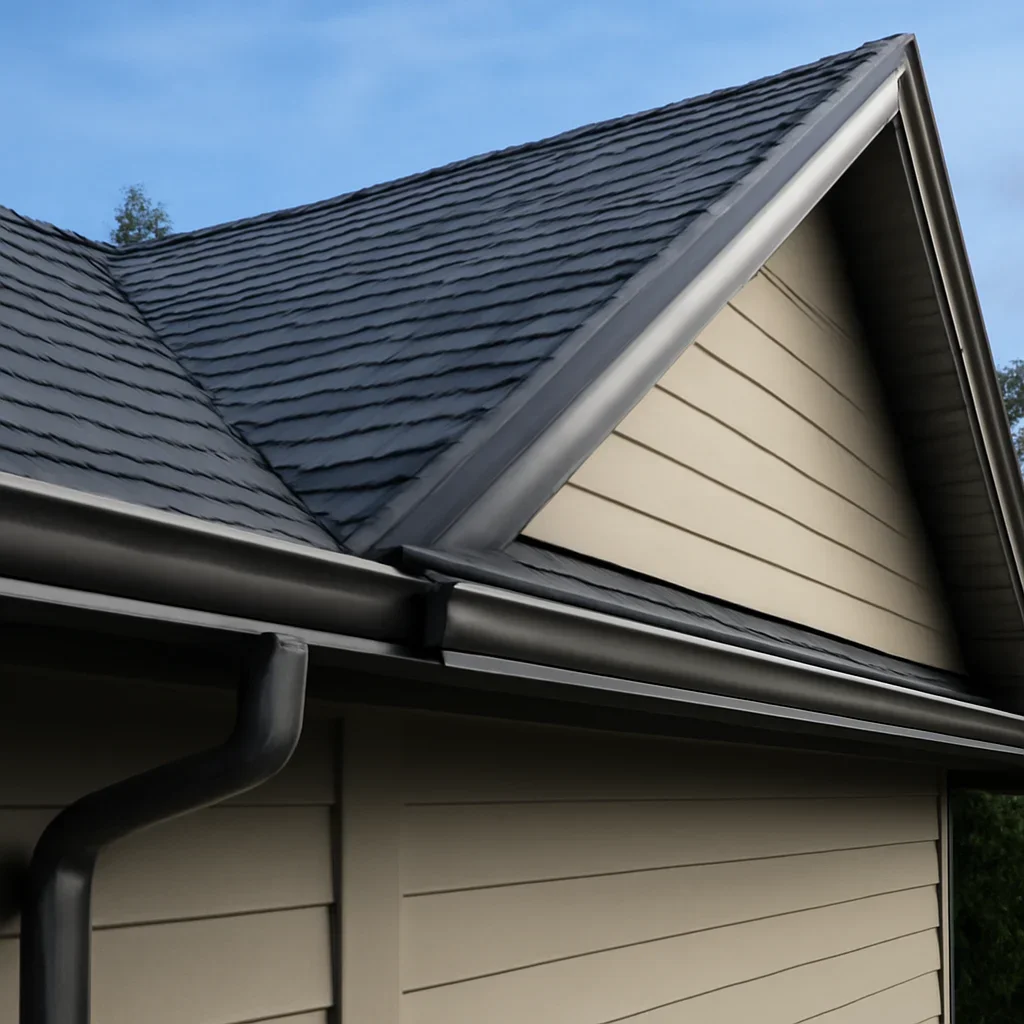
Local setting
Sechelt is surrounded by marine exposure, forested neighbourhoods and varied coastal terrain.

Roofing Star considers planned roofing and exterior work for properties in Sechelt. Local planning emphasizes wind-driven rain control, durable transitions and organized material planning, while recommendations remain tied to the roof condition, building type, access and owner decision.
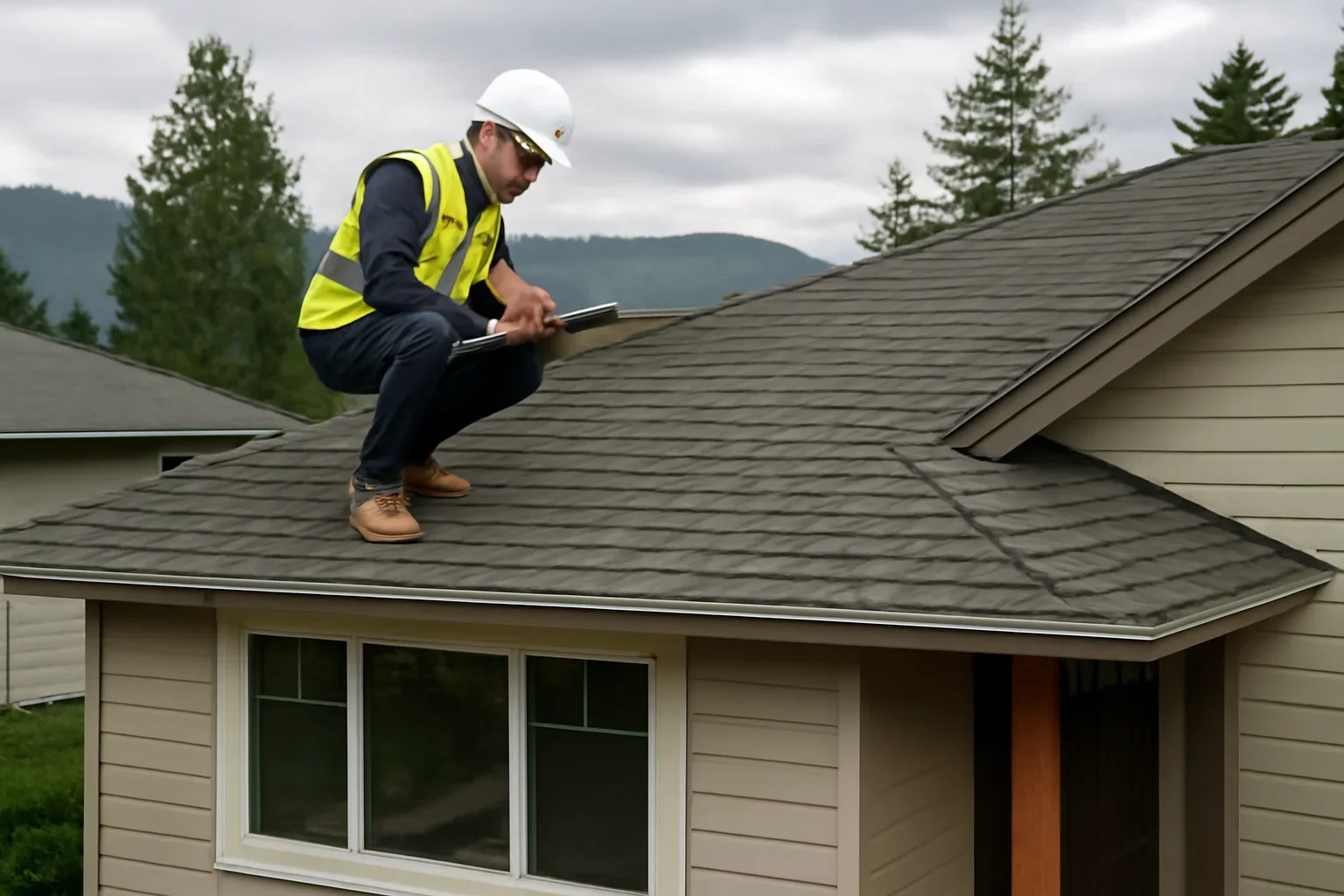
A useful Sechelt review records the reported symptom, roof zones, drainage, penetrations, transitions, previous repairs and accessible interior evidence. It also notes conditions related to wind-driven rain control, durable transitions and organized material planning.
For the Sechelt property, these local details guide inspection and site planning without treating every property as identical.
Sechelt is surrounded by marine exposure, forested neighbourhoods and varied coastal terrain.
Wind-driven rain can reach roof-to-wall junctions and penetrations that remain dry in calmer climates.
Transport and supply timing on the coast make accurate scope definition important before work begins.
Local inspection
During the review of the Sechelt property, map the roof area and any interior symptom, then compare likely entry paths above, beside and upslope of the visible damage.
Review slopes, valleys, gutters or drains, penetrations, wall transitions and overflow routes in relation to wind-driven rain control, durable transitions and organized material planning.
In the written record for the Sechelt property, identify staging, landscaping, occupants, neighbouring property, deliveries and cleanup requirements before pricing the work.
Before approving the Sechelt property, concealed layers and inaccessible areas should remain written assumptions until they can be safely verified.
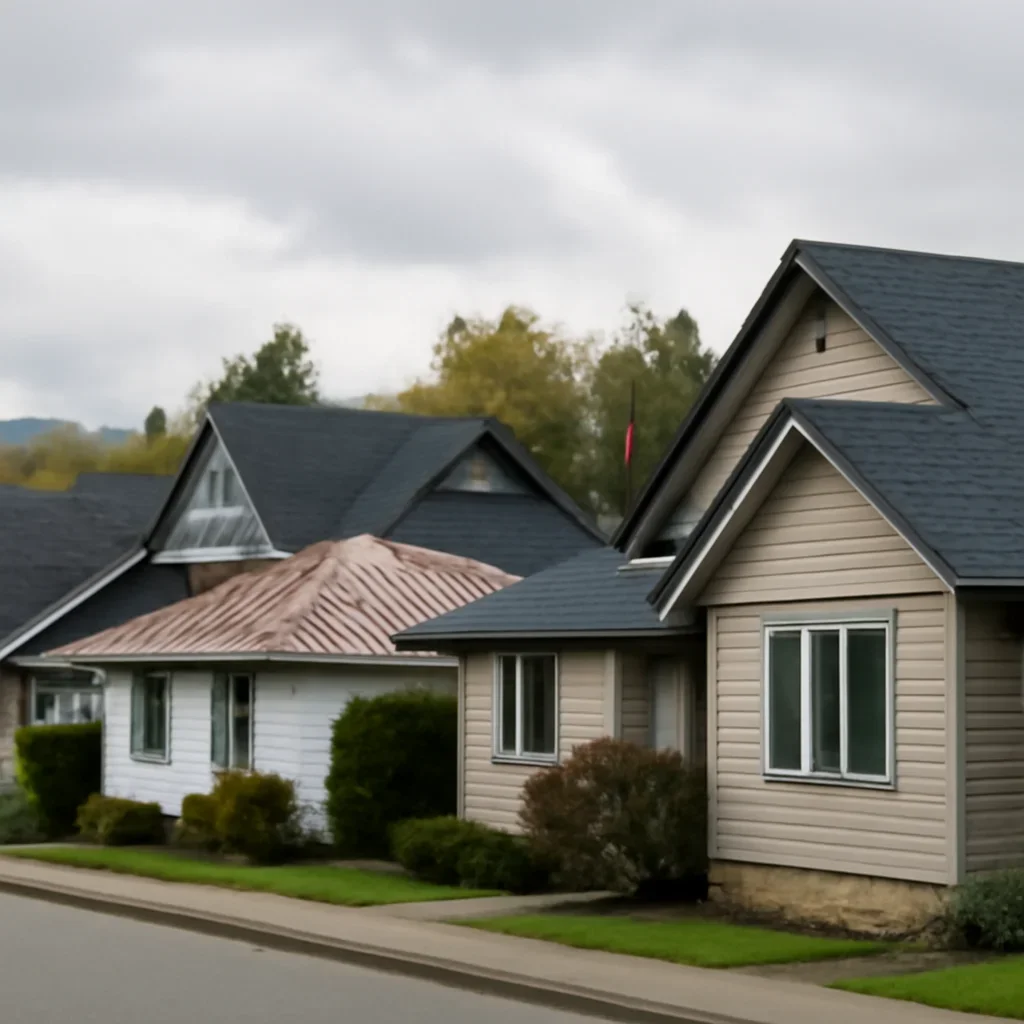
Repair, replacement and inspection answer different questions at a Sechelt property.
As the Sechelt property moves from review to scope, the inspection should trace likely entry points above and beside the visible interior damage because water can travel along decking, framing or insulation before it appears; at a Sechelt property, the finding should be mapped to the affected roof zone.
For decisions about the Sechelt property, replacement is usually justified when wear is widespread, multiple details are failing or the cost and uncertainty of repeated repairs no longer protect the owner’s budget; the comparison should also account for access and protection conditions in Sechelt.
When the scope for the Sechelt property is being checked, a practical report ranks findings by consequence and timing, identifies limits of the inspection and recommends next steps without turning every observation into a sales item; any recommendation remains conditional on the assembly found at the Sechelt address.
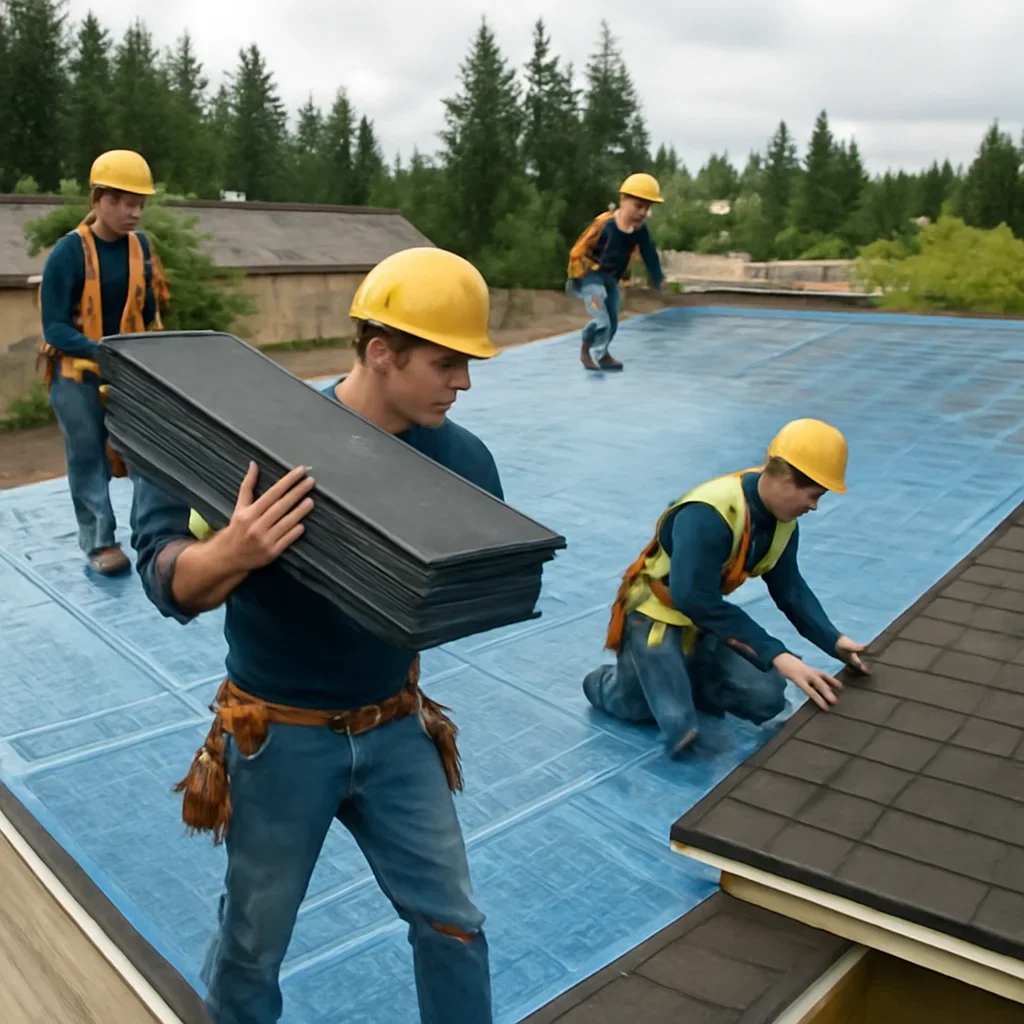
The Sechelt proposal should identify roof areas, included materials, access, staging, property protection, cleanup, weather limits and the person authorized to approve changes.
At the next planning step for the Sechelt property, request current insurance and WorkSafeBC information where applicable, then match product data and warranty terms to the actual assembly in the scope.
Before approving roofing work at a Sechelt property, confirm the legal contracting party, current insurance and WorkSafeBC information where applicable, the proposed system and the written warranty responsibilities.
For roofing work at a Sechelt property, photographs, references and reviews are useful only when the source is clear, customer permission is respected and the work shown is genuinely comparable.
These routes separate the service, location, evidence and approval questions surrounding the Sechelt property plan.
Review roof repair when lifted, split or missing roofing affects the Sechelt property plan.
Roof replacement connects hidden deck deterioration with the records needed for the Sechelt property plan.
Before finalizing the Sechelt property plan, consult exterior services for guidance on the decision route for exterior services.
These direct answers cover service confirmation, local exposure and the details needed to plan responsible work in Sechelt.
No. While the evidence for the Sechelt property is being assembled, service is confirmed for the exact address, building type, project size and schedule. Transport and supply timing on the coast make accurate scope definition important before work begins.
Wind-driven rain can reach roof-to-wall junctions and penetrations that remain dry in calmer climates. To keep the recommendation practical and verifiable for the Sechelt property, a site review should check drainage, flashings, penetrations, roof edges and any interior evidence before a scope is recommended.
Send the Sechelt address, building type, known roof system, approximate age, current concern and safe photographs. For the Sechelt property, include access limits, urgency and any previous repair or inspection record.
Send the Sechelt address, building type, known roof system, concern, timing and safe photographs. During the review of the Sechelt property, Roofing Star can confirm current service fit and the next assessment or estimate step without assuming the scope in advance.