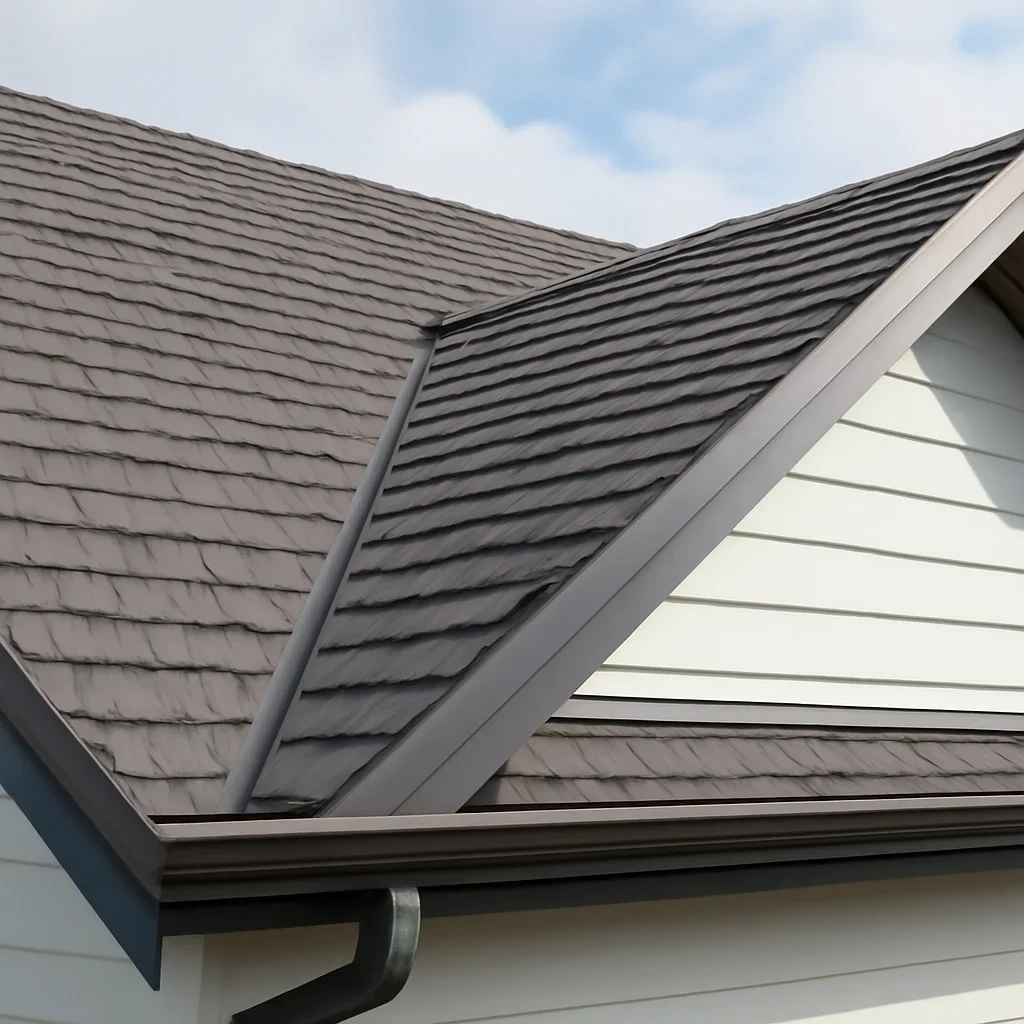
Select for the roof, not the brochure
Slope, deck, climate, colour, maintenance and expected service determine which products belong on the shortlist.
Roofing products perform as part of an assembly. The surface material, substrate, underlayment or insulation, attachment, flashings, ventilation, drainage and accessories all need to be compatible with the building and exposure.

Useful information about suppliers and materials is current, specific and connected to the project being considered.
Slope, deck, climate, colour, maintenance and expected service determine which products belong on the shortlist.
Fasteners, membranes, adhesives, sealants, edge metal, vents and flashings often control performance at vulnerable details.
Any product change should be compared for compatibility, warranty, appearance, availability, price and schedule before approval.

Working record
For the suppliers and materials review, the working record should identify the property, responsible contacts, proposed assembly and information still needed before approval.
The steps below turn materials and supplier documentation into a record a customer can check.
The proposal should name layers and components, not only the visible shingle, panel or membrane.
Product instructions, substrate preparation, weather limits and detail standards need to fit the planned installation.
Colours, profiles and substitutions should be confirmed in writing before materials are ordered.
Closeout should include the installed product information, warranties, maintenance instructions and approved changes.
Before approving materials and supplier documentation, confirm the legal contracting party, current insurance and WorkSafeBC information where applicable, the proposed system and the written warranty responsibilities.
For materials and supplier documentation, photographs, references and reviews are useful only when the source is clear, customer permission is respected and the work shown is genuinely comparable.
These routes separate the service, location, evidence and approval questions surrounding the suppliers and materials company check.
Review about Roofing Star when company information affects the suppliers and materials company check.
Roofing services connects the decision route for roofing services with the records needed for the suppliers and materials company check.
Before finalizing the suppliers and materials company check, consult roofing service areas for guidance on the decision route for roofing service areas.
Each answer identifies records, responsibilities or decisions that can be checked before a commitment involving suppliers and materials.
Product selection is confirmed for the individual roof assembly and current availability. Ask for the proposed manufacturer, product line, technical data and installer requirements before approving a system.
Only through documented approval. The comparison should address performance, colour, compatibility, warranty terms, availability and any price or schedule change.
Many roof problems begin at edges, penetrations and transitions. Compatible flashings, fasteners, underlayments, adhesives and sealants are working parts of the assembly, not minor extras.
Share the property, proposed work and the information about suppliers and materials that you want to verify. During the suppliers and materials review, Roofing Star can identify the current documents or project details to review before a commitment.