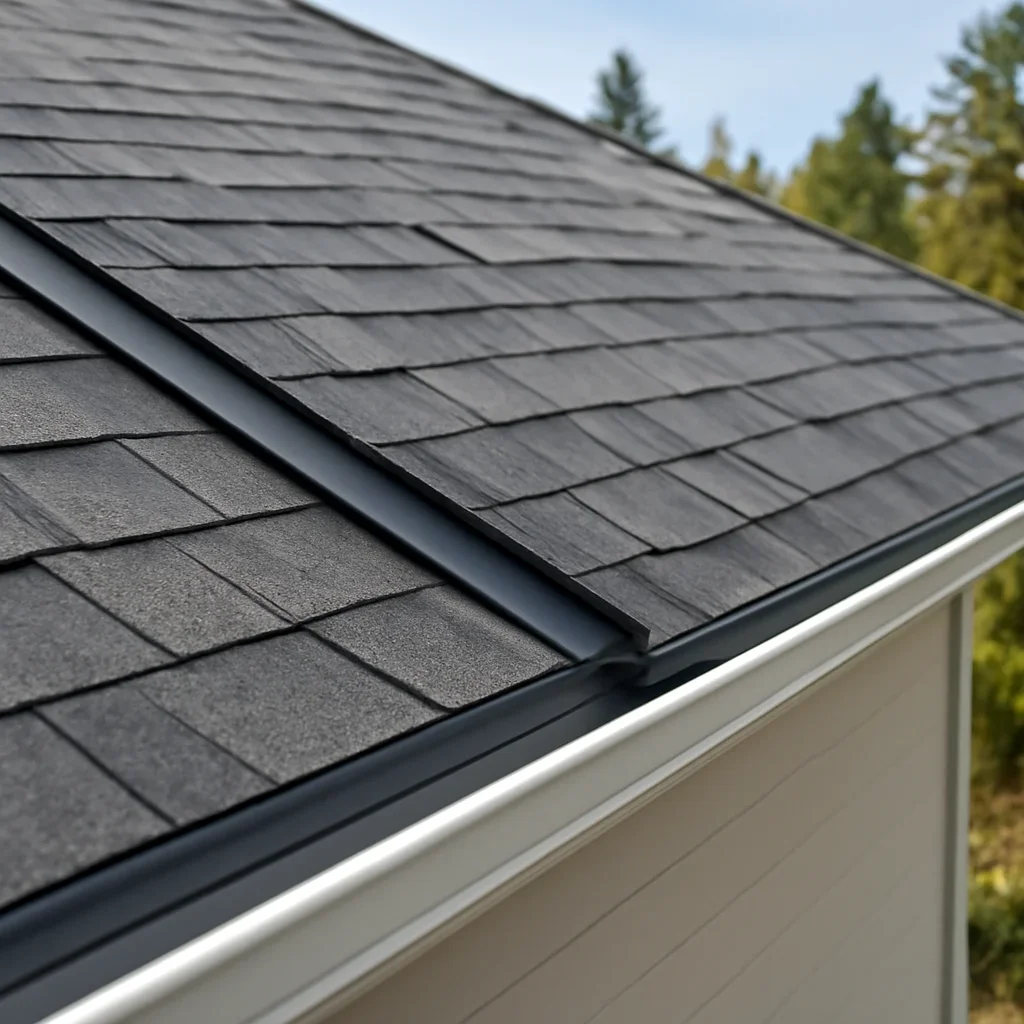
Map the problem
Identify whether damage is confined to one detail or appears across multiple roof planes or zones; photographs, measurements or records should confirm extent of the defect.

Repair is generally appropriate for an isolated defect when the surrounding assembly remains serviceable. Replacement becomes more defensible when wear is widespread, leaks recur, materials are incompatible or concealed damage makes repeated repair unreliable.

Identify whether damage is confined to one detail or appears across multiple roof planes or zones. The comparison should also account for extent of the defect and condition of surrounding roof zones.
Each checkpoint tests a different part of condition-based repair-versus-replacement decision for owners comparing scope against property evidence and the proposed scope.
Identify whether damage is confined to one detail or appears across multiple roof planes or zones; photographs, measurements or records should confirm extent of the defect.
Review age, exposure, maintenance, previous repairs and the condition of the supporting assembly; the written conclusion should show the effect of condition of surrounding roof zones on the result.
Set a durable repair beside replacement, including likely follow-up work, access and concealed-condition allowances; recheck repair history and recurrence when the condition, scope or timing changes.

Property-specific inputs
For the condition-based repair-versus-replacement decision for owners comparing scope, keep measurements, observations and assumptions separate. During the review of the condition-based repair-versus-replacement decision for owners comparing scope, any input that cannot be verified safely should remain conditional until a site review or controlled opening provides evidence.
Use the table to organize the conditions, responsibilities and next actions that affect condition-based repair-versus-replacement decision for owners comparing scope.
| Decision point | What to review | Why it matters |
|---|---|---|
| Map the problem | Identify whether damage is confined to one detail or appears across multiple roof planes or zones. | Confirms the evidence related to extent of the defect. |
| Estimate remaining service | Review age, exposure, maintenance, previous repairs and the condition of the supporting assembly. | Shows how condition of surrounding roof zones changes the comparison. |
| Compare risk and total scope | Set a durable repair beside replacement, including likely follow-up work, access and concealed-condition allowances. | Turns the general answer into a documented next step. |
In the written record for the condition-based repair-versus-replacement decision for owners comparing scope, a documented next step is more useful than a universal answer detached from the roof.
Gather the address, building type, roof system, known age, repair history and records related to extent of the defect.
Use safe photographs, inspection notes and measurements to assess condition of surrounding roof zones without asking an owner to climb onto the roof.
Check how each option treats repair history and recurrence, material compatibility and availability and any concealed condition that could change the scope.
Write down the chosen action, assumptions, timing and the evidence still needed about deck, insulation and flashing condition.
These routes separate the service, location, evidence and approval questions surrounding the condition-based repair-versus-replacement decision for owners comparing scope decision.
Review roofing resources when the decision route for roofing resources affects the condition-based repair-versus-replacement decision for owners comparing scope decision.
Roof repair connects lifted, split or missing roofing with the records needed for the condition-based repair-versus-replacement decision for owners comparing scope decision.
Before finalizing the condition-based repair-versus-replacement decision for owners comparing scope decision, consult roof replacement for guidance on hidden deck deterioration.
These direct answers address the property details most likely to change a decision about condition-based repair-versus-replacement decision for owners comparing scope.
Not necessarily. A single leak can come from one flashing, penetration or localized membrane defect. The surrounding condition determines whether repair is reasonable.
Replacement becomes more credible when leaks recur in different areas, repairs cannot tie into sound material or broad deterioration remains. The comparison should document those patterns.
Age is one clue, not the decision by itself. Current condition, compatibility and the likelihood of further failure carry more weight.
Before approving the condition-based repair-versus-replacement decision for owners comparing scope, send the address, building type, known roof system, safe photographs and timing. Roofing Star can compare the guidance on condition-based repair-versus-replacement decision for owners comparing scope with the property condition and explain whether an inspection, estimate or maintenance plan is the right next step.