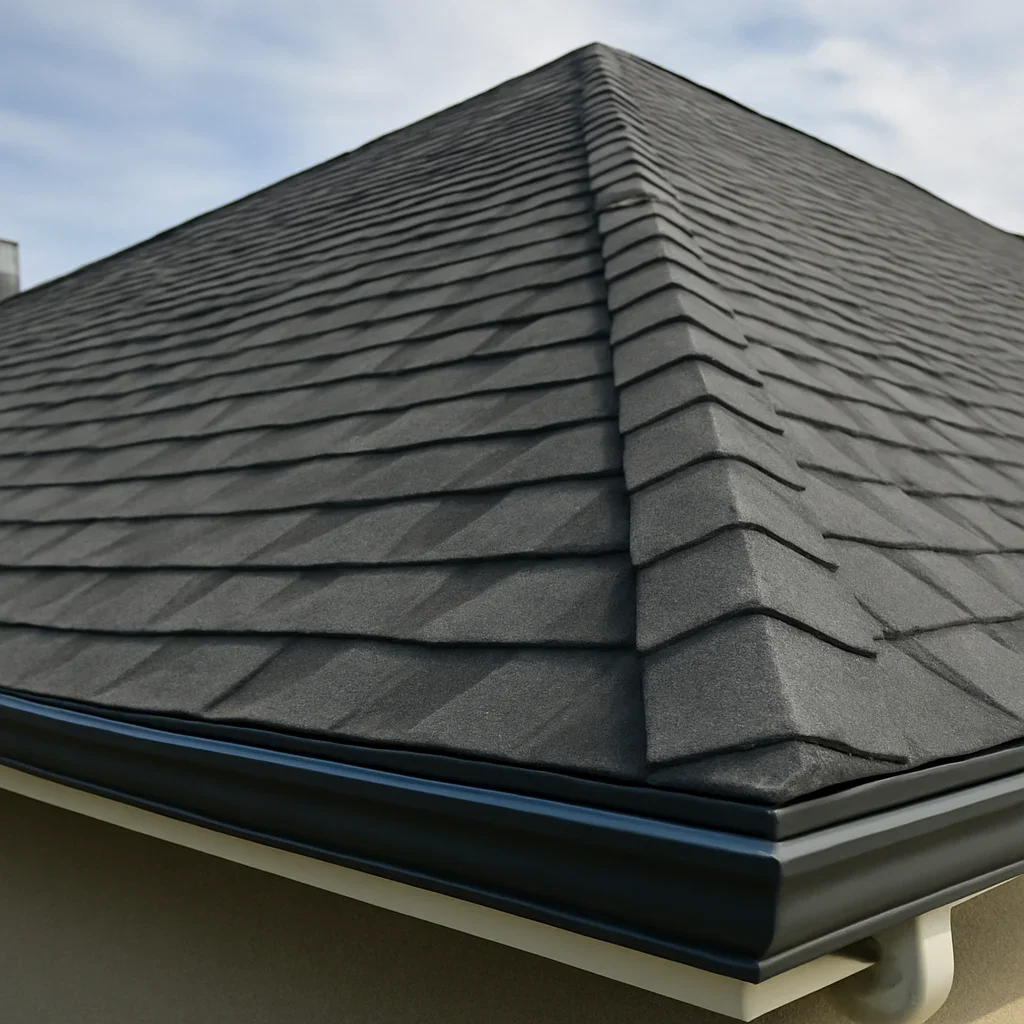
Confirm the starting date
Use invoices, permits, warranty records or prior reports rather than an uncertain owner estimate where possible; photographs, measurements or records should confirm known installation date.

A roof-age estimator can compare the known installation date with broad system expectations, but it cannot predict failure or replace inspection. Exposure, condition, maintenance, ventilation and repair history must adjust any result.

Use invoices, permits, warranty records or prior reports rather than an uncertain owner estimate where possible. The comparison should also account for known installation date and roof system and assembly.
Each checkpoint tests a different part of estimator against property evidence and the proposed scope.
Use invoices, permits, warranty records or prior reports rather than an uncertain owner estimate where possible; photographs, measurements or records should confirm known installation date.
Distinguish asphalt, metal, cedar and low-slope membrane assemblies because their maintenance and failure modes differ; the written conclusion should show the effect of roof system and assembly on the result.
Use the estimate to schedule inspection or budgeting, not to declare remaining life without condition evidence; recheck visible condition indicators when the condition, scope or timing changes.
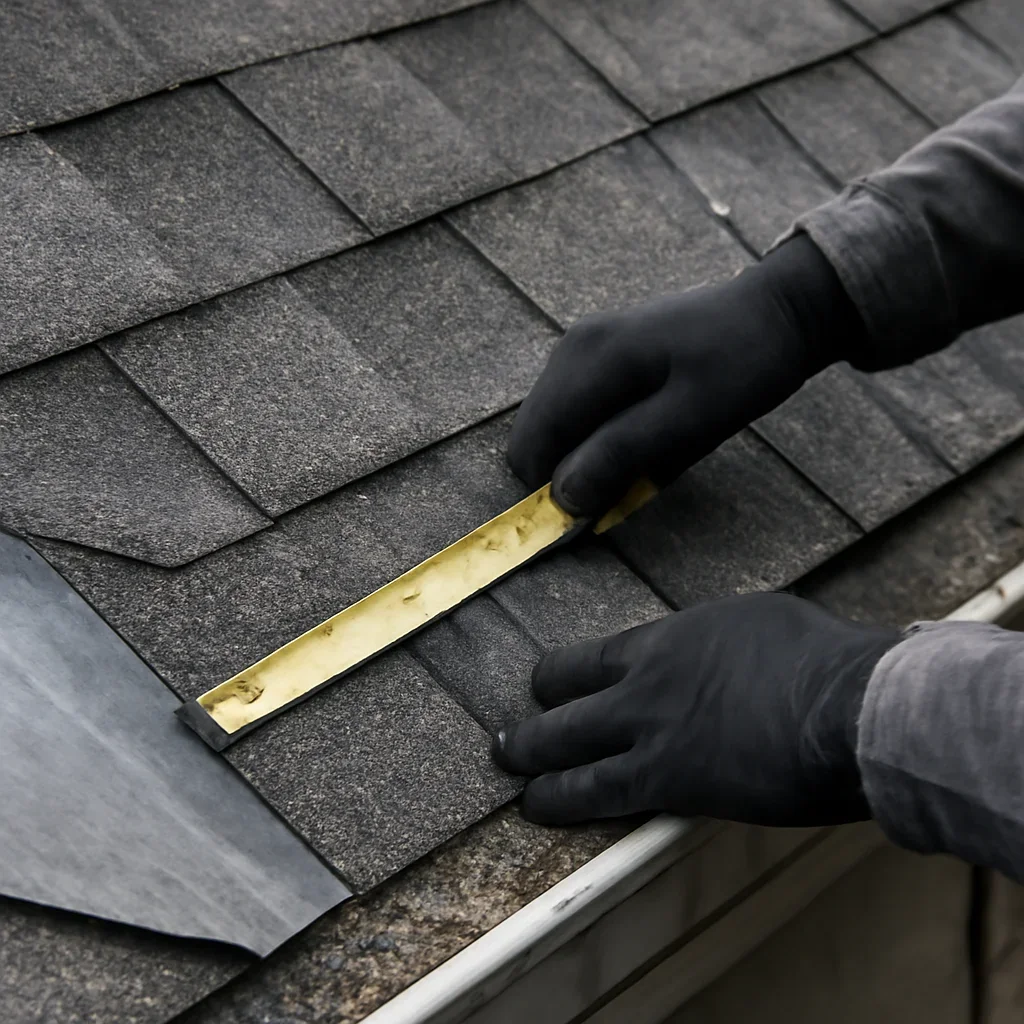
Property-specific inputs
For the estimator, keep measurements, observations and assumptions separate. During the review of the estimator, any input that cannot be verified safely should remain conditional until a site review or controlled opening provides evidence.
Use the table to organize the conditions, responsibilities and next actions that affect estimator.
| Decision point | What to review | Why it matters |
|---|---|---|
| Confirm the starting date | Use invoices, permits, warranty records or prior reports rather than an uncertain owner estimate where possible. | Confirms the evidence related to known installation date. |
| Choose the correct system category | Distinguish asphalt, metal, cedar and low-slope membrane assemblies because their maintenance and failure modes differ. | Shows how roof system and assembly changes the comparison. |
| Treat the output as a prompt | Use the estimate to schedule inspection or budgeting, not to declare remaining life without condition evidence. | Turns the general answer into a documented next step. |
In the written record for the estimator, a documented next step is more useful than a universal answer detached from the roof.
Gather the address, building type, roof system, known age, repair history and records related to known installation date.
Use safe photographs, inspection notes and measurements to assess roof system and assembly without asking an owner to climb onto the roof.
Check how each option treats visible condition indicators, exposure and maintenance and any concealed condition that could change the scope.
Write down the chosen action, assumptions, timing and the evidence still needed about repair and leak history.
These routes separate the service, location, evidence and approval questions surrounding the estimator decision.
Review roofing resources when the decision route for roofing resources affects the estimator decision.
Request a roofing estimate connects the information needed to qualify the estimate request with the records needed for the estimator decision.
Before finalizing the estimator decision, consult roof replacement cost calculator for guidance on roof measurements and complexity.
These direct answers address the property details most likely to change a decision about estimator.
Use available records and observable product or installation clues, but keep the date as an estimate. An inspection can still document condition without a confirmed year.
No. It is a planning tool and cannot guarantee service life or predict a leak. Written product and workmanship warranties are separate documents.
Inspection becomes more important when age is uncertain, leaks recur, details deteriorate or a major budget decision is approaching. Immediate review is appropriate when active water entry or storm damage is present.
Before approving the estimator, send the address, building type, known roof system, safe photographs and timing. Roofing Star can compare the guidance on estimator with the property condition and explain whether an inspection, estimate or maintenance plan is the right next step.