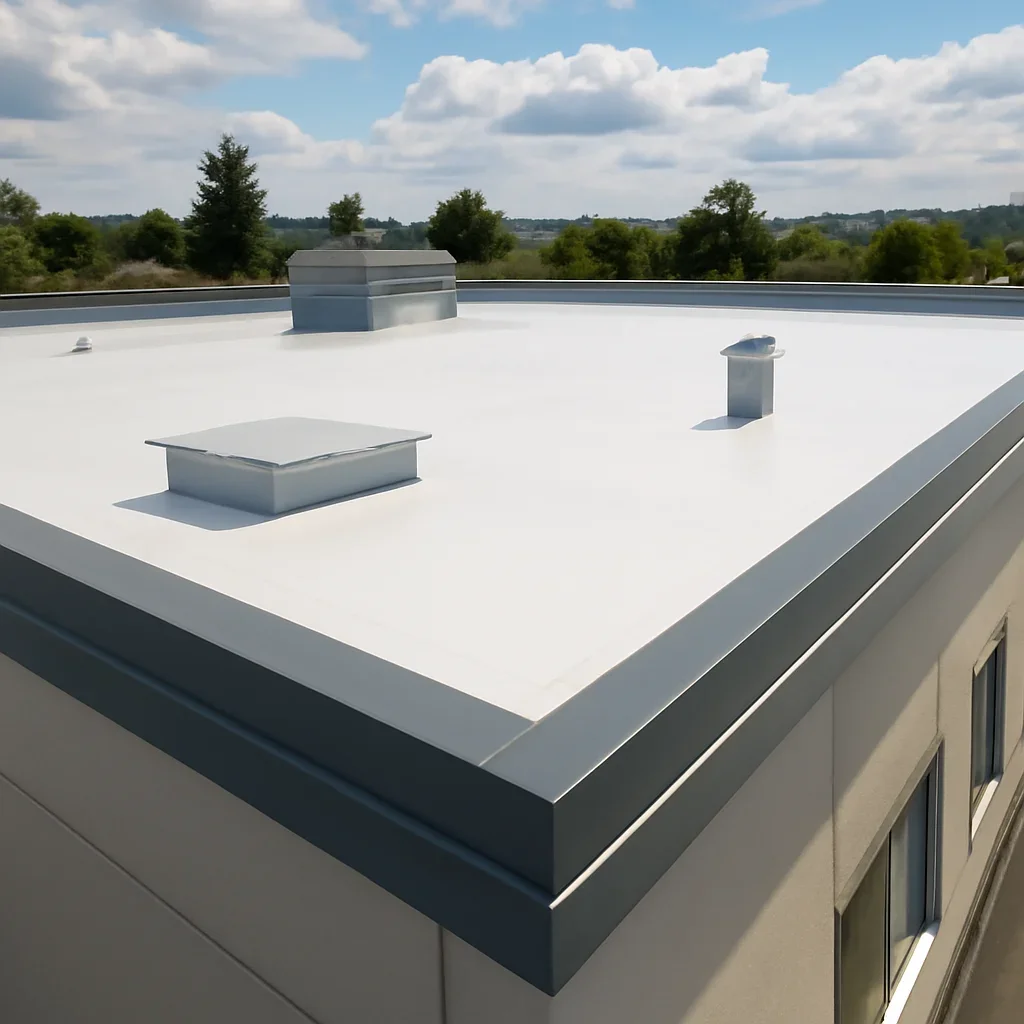
Set a baseline schedule
Choose regular reviews that align with seasonal weather and building operations; photographs, measurements or records should confirm system age and condition.

Many commercial roofs are inspected in spring and fall, after major storms and after rooftop trade work, but frequency should increase with age, traffic, drainage problems, leak history or warranty duties. The schedule must suit the building rather than follow one universal interval.
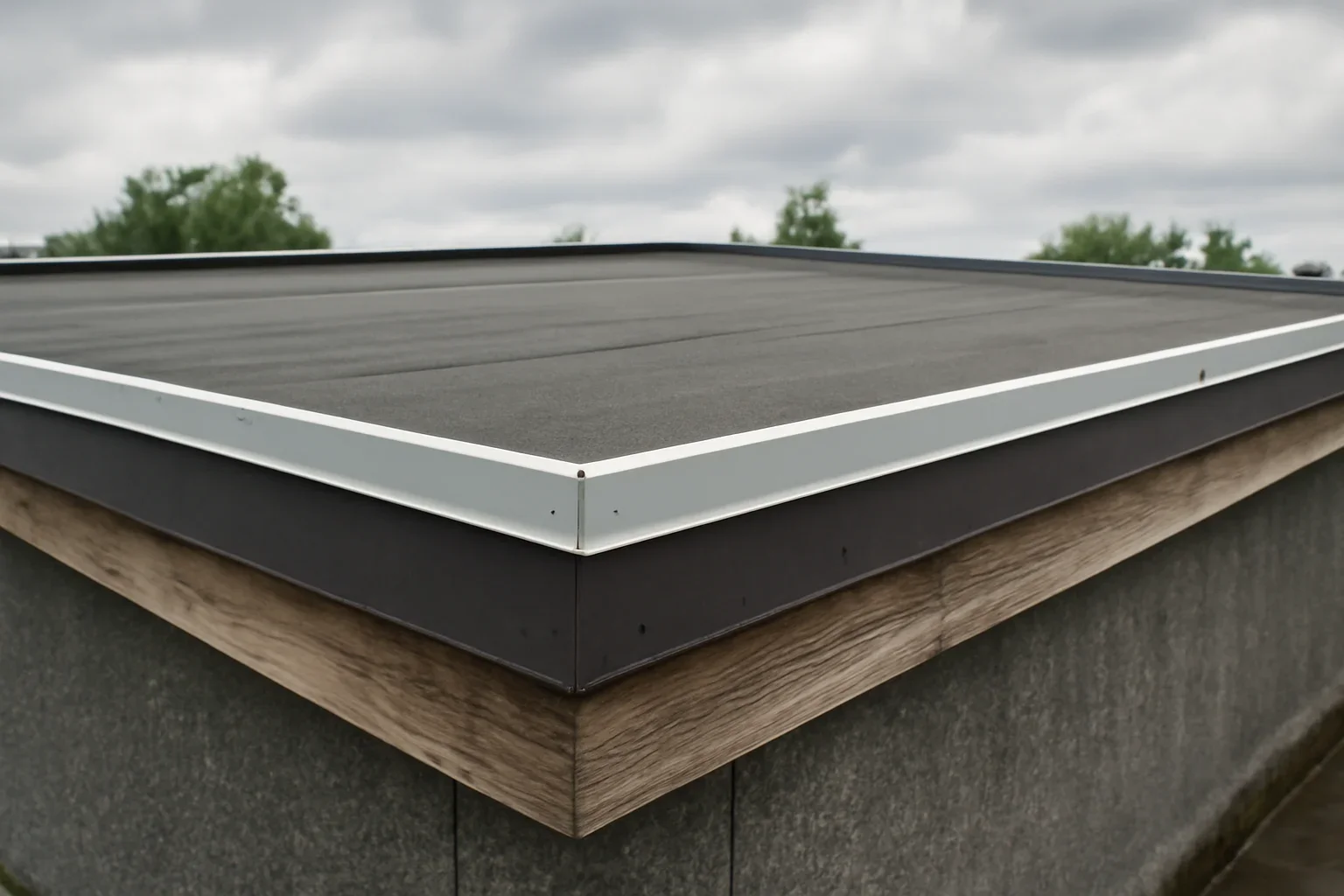
Choose regular reviews that align with seasonal weather and building operations. The comparison should also account for system age and condition and storm and leak history.
Each checkpoint tests a different part of inspection schedule against property evidence and the proposed scope.
Choose regular reviews that align with seasonal weather and building operations; photographs, measurements or records should confirm system age and condition.
Inspect after severe weather, reported leaks, equipment installation or any work that may disturb the membrane; the written conclusion should show the effect of storm and leak history on the result.
Increase frequency when repeated defects, ponding, traffic damage or aging details show faster change; recheck rooftop traffic and equipment work when the condition, scope or timing changes.

Property-specific inputs
For the inspection schedule, keep measurements, observations and assumptions separate. During the review of the inspection schedule, any input that cannot be verified safely should remain conditional until a site review or controlled opening provides evidence.
Use the table to organize the conditions, responsibilities and next actions that affect inspection schedule.
| Decision point | What to review | Why it matters |
|---|---|---|
| Set a baseline schedule | Choose regular reviews that align with seasonal weather and building operations. | Confirms the evidence related to system age and condition. |
| Add event-driven inspections | Inspect after severe weather, reported leaks, equipment installation or any work that may disturb the membrane. | Shows how storm and leak history changes the comparison. |
| Adjust using evidence | Increase frequency when repeated defects, ponding, traffic damage or aging details show faster change. | Turns the general answer into a documented next step. |
In the written record for the inspection schedule, a documented next step is more useful than a universal answer detached from the roof.
Gather the address, building type, roof system, known age, repair history and records related to system age and condition.
Use safe photographs, inspection notes and measurements to assess storm and leak history without asking an owner to climb onto the roof.
Check how each option treats rooftop traffic and equipment work, drainage performance and any concealed condition that could change the scope.
Write down the chosen action, assumptions, timing and the evidence still needed about warranty and asset-planning needs.
These routes separate the service, location, evidence and approval questions surrounding the inspection schedule decision.
Review roofing resources when the decision route for roofing resources affects the inspection schedule decision.
Commercial roofing connects the decision route for commercial roofing with the records needed for the inspection schedule decision.
Before finalizing the inspection schedule decision, consult request a roofing estimate for guidance on the information needed to qualify the estimate request.
These direct answers address the property details most likely to change a decision about inspection schedule.
Sometimes, but not for every building. Age, exposure, traffic, drainage and leak history may justify more frequent checks.
Safe routine observations may be assigned to trained personnel, while technical diagnosis and repair scopes require appropriate roofing expertise. Access rules and fall hazards must be respected.
It should identify roof zones, observations, photographs, limitations, priority and recommended follow-up. Comparisons with earlier records make change easier to see.
Before approving the inspection schedule, send the address, building type, known roof system, safe photographs and timing. Roofing Star can compare the guidance on inspection schedule with the property condition and explain whether an inspection, estimate or maintenance plan is the right next step.