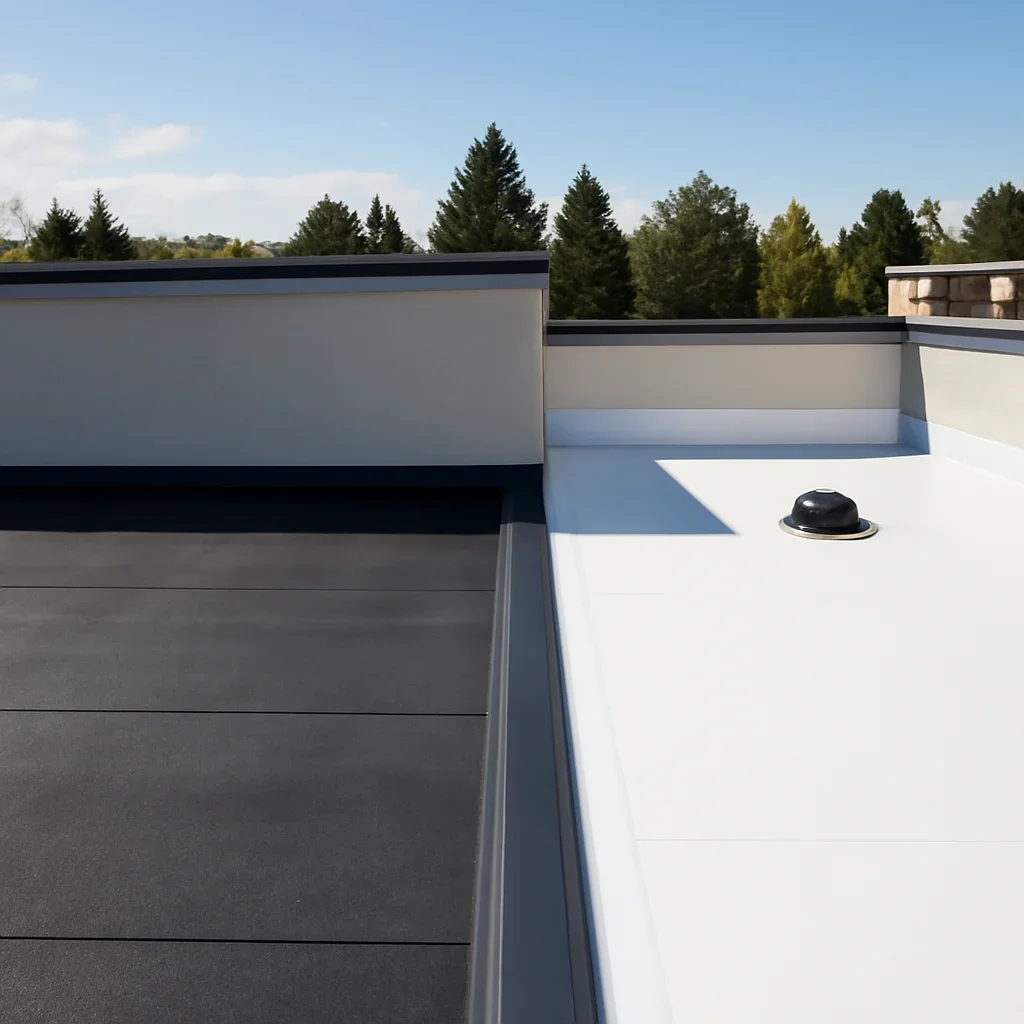
Compare installation conditions
Torch-applied SBS uses open flame and layered bitumen; TPO uses hot-air welded thermoplastic seams; photographs, measurements or records should confirm deck and existing roof.

Torch-on SBS and TPO can both suit low-slope buildings, but they differ in membrane construction, installation heat, seam method, puncture behaviour, detailing and repair approach. The building and site constraints should decide.
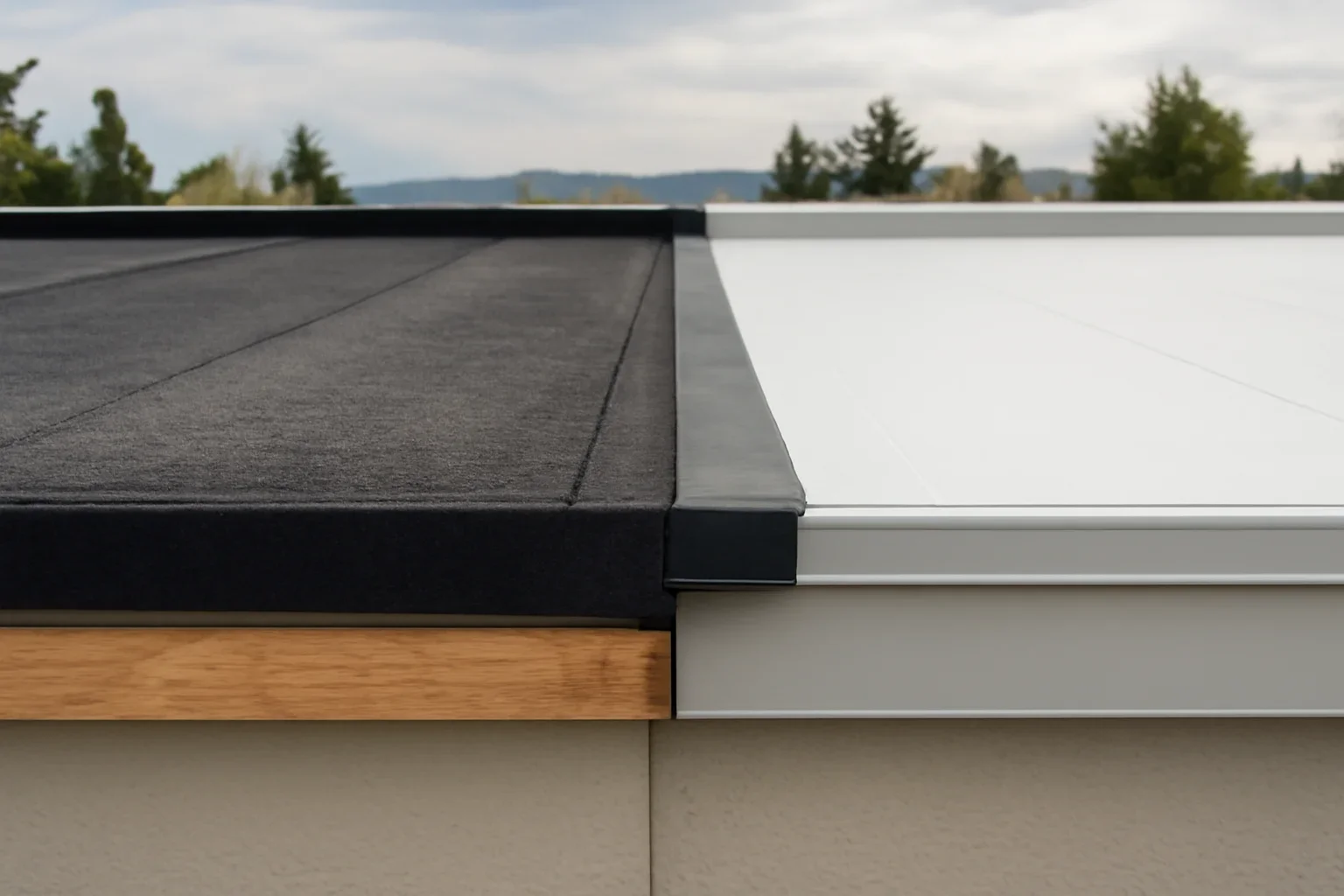
Torch-applied SBS uses open flame and layered bitumen; TPO uses hot-air welded thermoplastic seams. The comparison should also account for deck and existing roof and fire and odour constraints.
Each checkpoint tests a different part of torch-on and TPO system comparison against property evidence and the proposed scope.
Torch-applied SBS uses open flame and layered bitumen; TPO uses hot-air welded thermoplastic seams; photographs, measurements or records should confirm deck and existing roof.
Traffic, contaminants, rooftop equipment, reflectivity goals and repair resources affect the fit; the written conclusion should show the effect of fire and odour constraints on the result.
Curbs, parapets, drains, penetrations and transitions often decide performance; recheck puncture and traffic exposure when the condition, scope or timing changes.
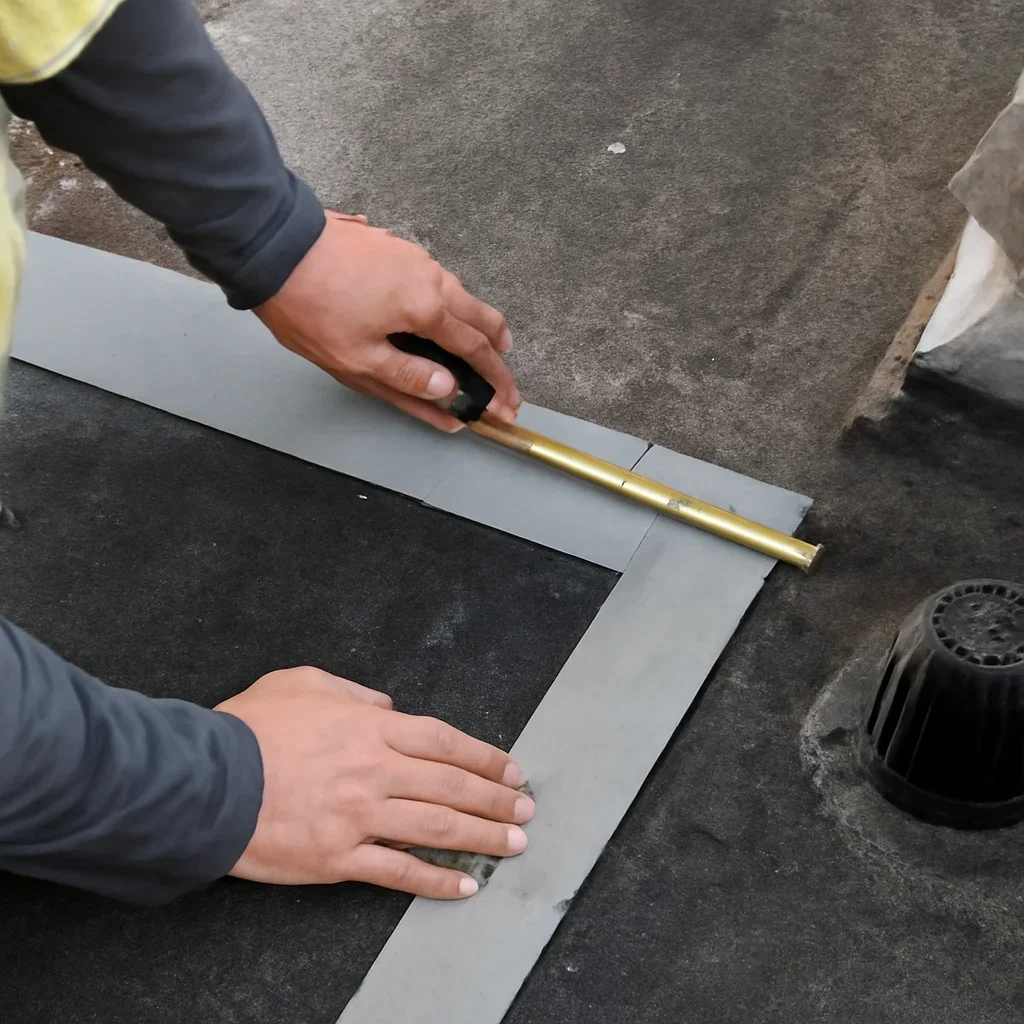
Property-specific inputs
For the torch-on and TPO system comparison, keep measurements, observations and assumptions separate. During the review of the torch-on and TPO system comparison, any input that cannot be verified safely should remain conditional until a site review or controlled opening provides evidence.
Use the table to organize the conditions, responsibilities and next actions that affect torch-on and TPO system comparison.
| Factor | Torch-on SBS | TPO |
|---|---|---|
| Seams | Heat-fused bituminous laps | Hot-air welded thermoplastic |
| Assembly | Often multi-ply | Single-ply over supporting layers |
| Site concern | Open-flame controls | Weld quality and surface preparation |
In the written record for the torch-on and TPO system comparison, a documented next step is more useful than a universal answer detached from the roof.
Gather the address, building type, roof system, known age, repair history and records related to deck and existing roof.
Use safe photographs, inspection notes and measurements to assess fire and odour constraints without asking an owner to climb onto the roof.
Check how each option treats puncture and traffic exposure, energy goals and any concealed condition that could change the scope.
Write down the chosen action, assumptions, timing and the evidence still needed about contractor system experience.
These routes separate the service, location, evidence and approval questions surrounding the torch-on and TPO system comparison decision.
Review roofing resources when the decision route for roofing resources affects the torch-on and TPO system comparison decision.
Commercial roofing connects the decision route for commercial roofing with the records needed for the torch-on and TPO system comparison decision.
Before finalizing the torch-on and TPO system comparison decision, consult request a roofing estimate for guidance on the information needed to qualify the estimate request.
These direct answers address the property details most likely to change a decision about torch-on and TPO system comparison.
No. Design, installation, drainage, traffic and maintenance can outweigh the membrane family. For torch-on and TPO system comparison, records related to deck and existing roof help narrow the uncertainty.
Possibly, only after moisture, deck capacity, compatibility and layer limits are reviewed. For torch-on and TPO system comparison, records related to fire and odour constraints help narrow the uncertainty.
Both can be repairable when the material is identified and accessible. Surface ageing or contamination may change preparation.
Before approving the torch-on and TPO system comparison, send the address, building type, known roof system, safe photographs and timing. Roofing Star can compare the guidance on torch-on and TPO system comparison with the property condition and explain whether an inspection, estimate or maintenance plan is the right next step.