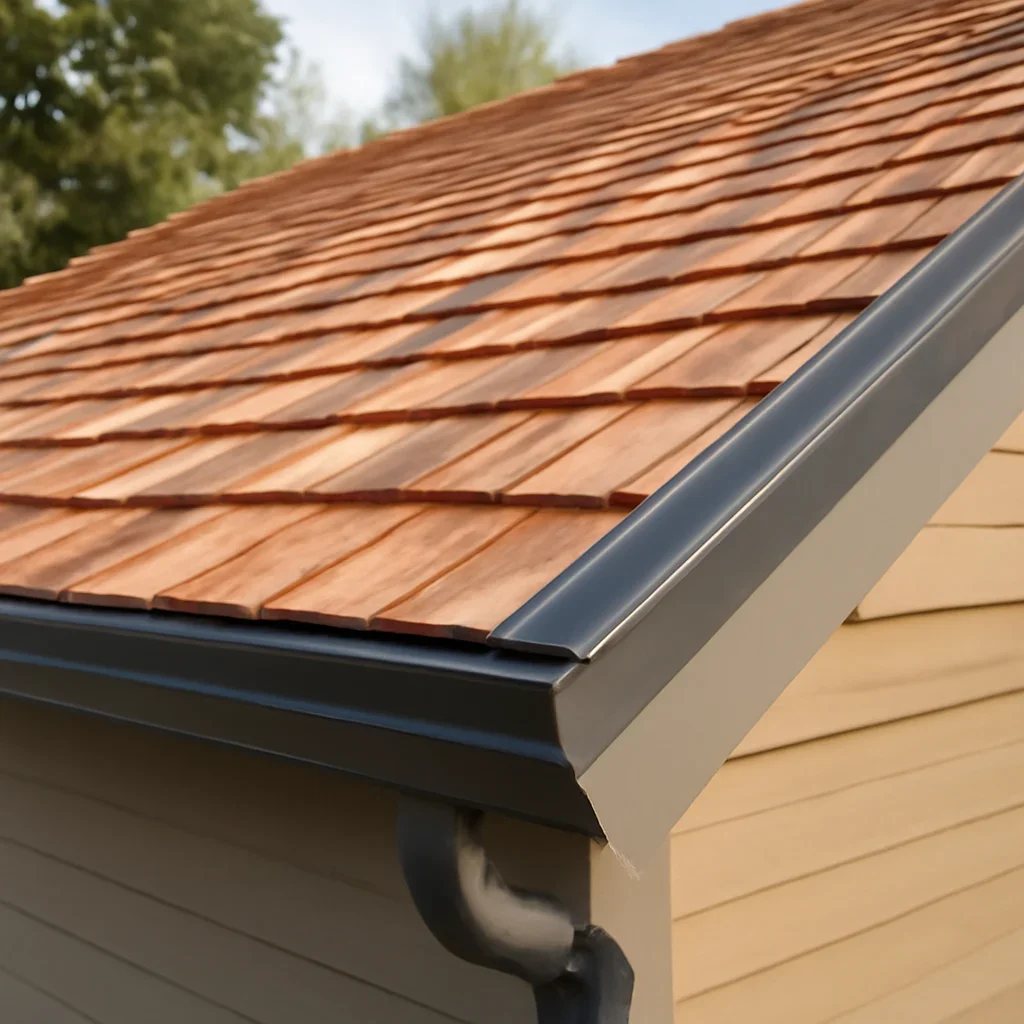
Assess wood condition below the colour
Grey weathering alone is not failure; thickness, softness, cupping, splits and fastener hold matter; photographs, measurements or records should confirm shake condition.

Cedar can be maintained or repaired while shakes remain sound, flexible and able to hold fasteners. Widespread softness, splits, failed interlayment or repeated patching can make replacement or conversion more reliable.
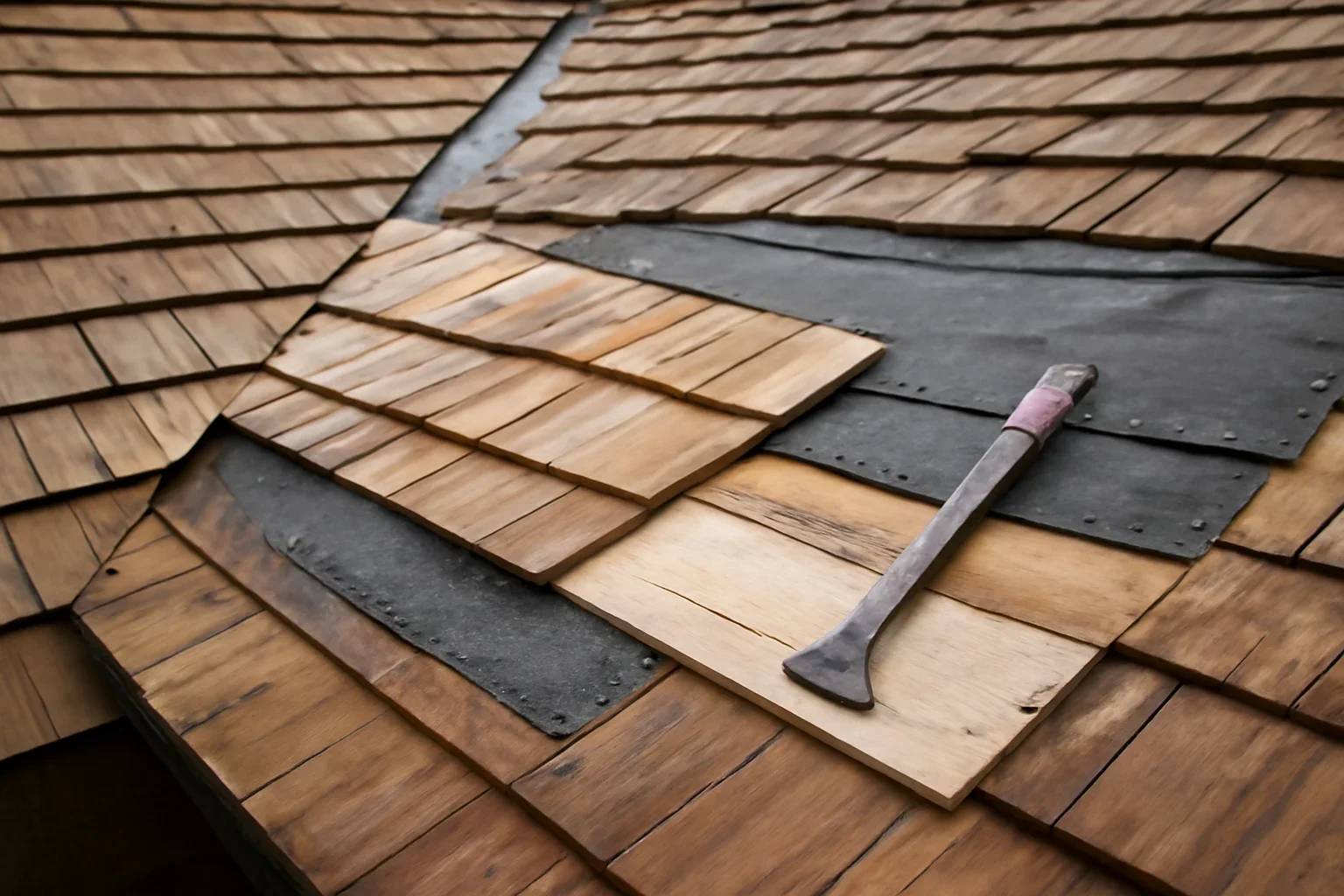
Grey weathering alone is not failure. Thickness, softness, cupping, splits and fastener hold matter. The comparison should also account for shake condition and interlayment.
Each checkpoint tests a different part of cedar-roof condition plan against property evidence and the proposed scope.
Grey weathering alone is not failure; thickness, softness, cupping, splits and fastener hold matter; photographs, measurements or records should confirm shake condition.
Aggressive pressure can remove fibres and shorten service; the written conclusion should show the effect of interlayment on the result.
Converting to asphalt or metal may require deck, ventilation and flashing modifications; recheck tree and shade exposure when the condition, scope or timing changes.
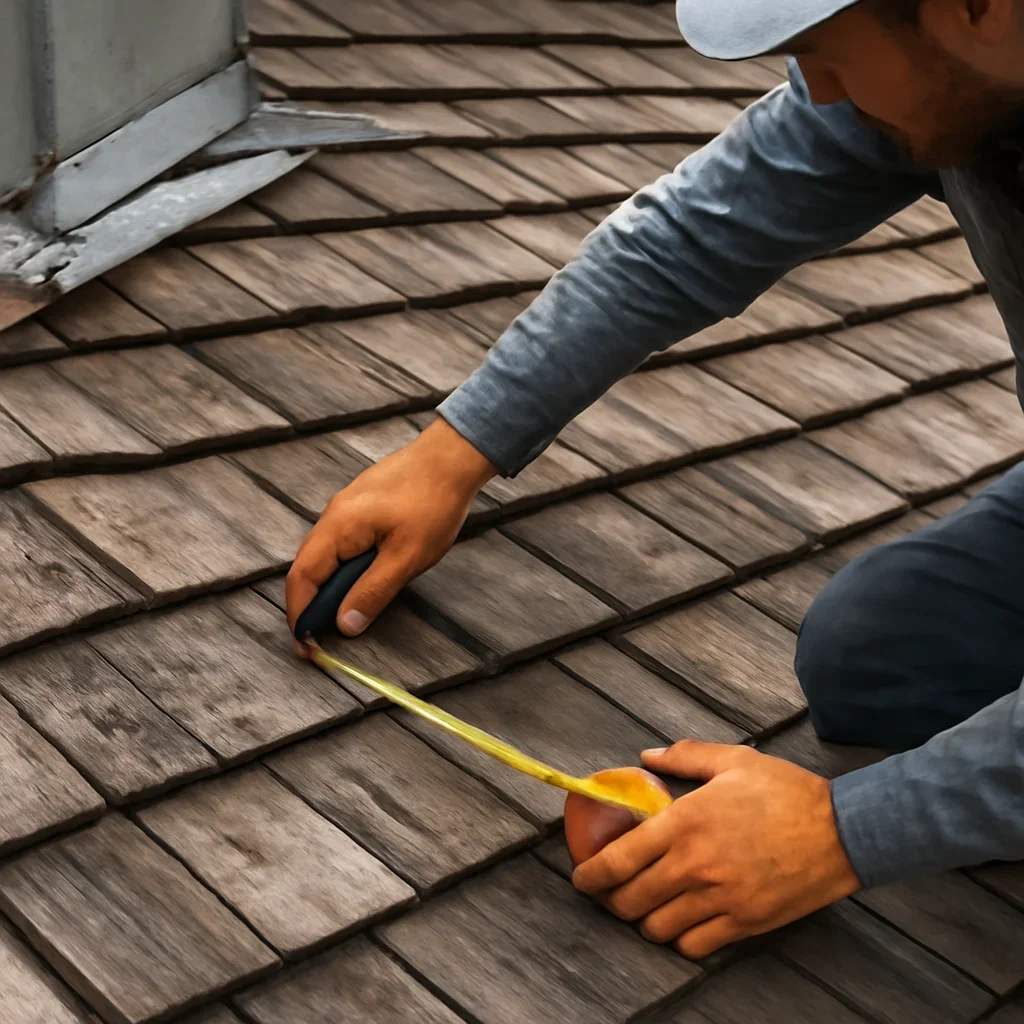
Property-specific inputs
For the cedar-roof condition plan, keep measurements, observations and assumptions separate. During the review of the cedar-roof condition plan, any input that cannot be verified safely should remain conditional until a site review or controlled opening provides evidence.
Use the table to organize the conditions, responsibilities and next actions that affect cedar-roof condition plan.
| Condition | Likely option | Limit |
|---|---|---|
| Few damaged shakes | Localized replacement | Matching and surrounding hold |
| Heavy growth | Careful cleaning and review | Hidden damage may appear |
| Broad softness | Replacement planning | Repair may not integrate |
In the written record for the cedar-roof condition plan, a documented next step is more useful than a universal answer detached from the roof.
Gather the address, building type, roof system, known age, repair history and records related to shake condition.
Use safe photographs, inspection notes and measurements to assess interlayment without asking an owner to climb onto the roof.
Check how each option treats tree and shade exposure, deck type and any concealed condition that could change the scope.
Write down the chosen action, assumptions, timing and the evidence still needed about replacement material.
These routes separate the service, location, evidence and approval questions surrounding the cedar-roof condition plan decision.
Review roofing resources when the decision route for roofing resources affects the cedar-roof condition plan decision.
Roof repair connects lifted, split or missing roofing with the records needed for the cedar-roof condition plan decision.
Before finalizing the cedar-roof condition plan decision, consult roof replacement for guidance on hidden deck deterioration.
These direct answers address the property details most likely to change a decision about cedar-roof condition plan.
Yes, when surrounding shakes are serviceable and the repair can be integrated without breaking a large area. For cedar-roof condition plan, records related to shake condition help narrow the uncertainty.
Only with products and methods appropriate to the roof and local conditions. Treatment cannot restore decayed wood.
Deck continuity, ventilation, underlayment, flashing heights and weight should be assessed. For cedar-roof condition plan, records related to tree and shade exposure help narrow the uncertainty.
Before approving the cedar-roof condition plan, send the address, building type, known roof system, safe photographs and timing. Roofing Star can compare the guidance on cedar-roof condition plan with the property condition and explain whether an inspection, estimate or maintenance plan is the right next step.