
B.C. roofing advice

Understanding roofing manufacturer and workmanship warranties

Understanding Roofing Manufacturer and Workmanship Warranties: begin with the roof type, current condition, exposure and the decision the property owner needs to make. For the manufacturer-and-workmanship warranty review, a site-specific assessment can change the answer where layers or moisture are concealed.

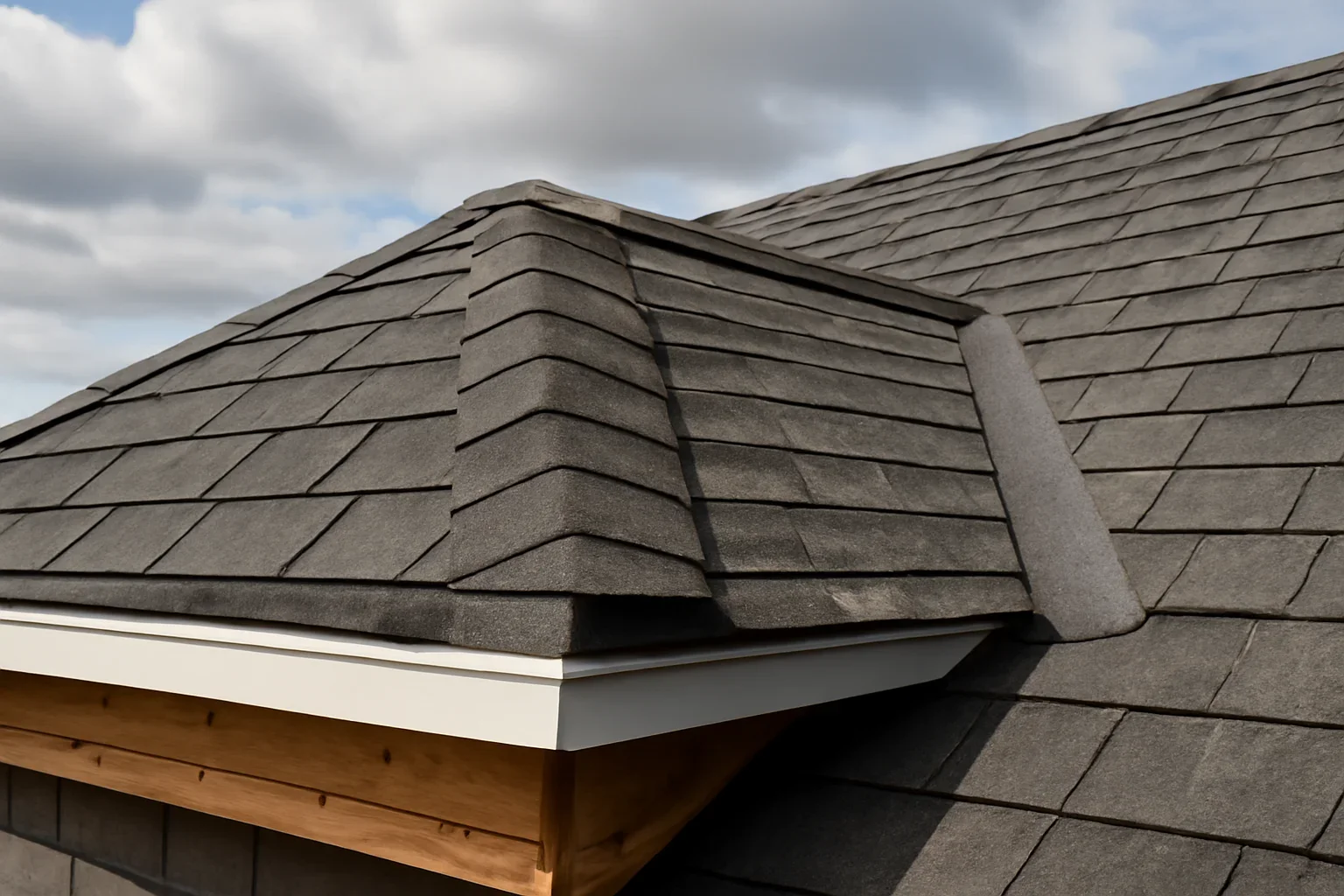
Roof detail supporting understanding roofing manufacturer and workmanship warranties
Answer first

Start with verified conditions

During the manufacturer-and-workmanship warranty review, roof age, visible wear, leak history, drainage, access and previous repairs provide the evidence for a useful recommendation. In the written record for the manufacturer-and-workmanship warranty review, the comparison should also account for roof type and slope and measured area and complexity.

How to evaluate the question

Each checkpoint tests a different part of manufacturer-and-workmanship warranty review against property evidence and the proposed scope.

Start with verified conditions

Before approving the manufacturer-and-workmanship warranty review, roof age, visible wear, leak history, drainage, access and previous repairs provide the evidence for a useful recommendation; as the manufacturer-and-workmanship warranty review moves from review to scope, photographs, measurements or records should confirm roof type and slope.
Separate the decision factors

For decisions about the manufacturer-and-workmanship warranty review, material, labour, safety, disposal, deck work, flashings and project timing should be considered separately so one unknown does not hide inside a total; when the scope for the manufacturer-and-workmanship warranty review is being checked, the written conclusion should show the effect of measured area and complexity on the result.

Know when inspection changes the answer

At the next planning step for the manufacturer-and-workmanship warranty review, interior stains, wet insulation, soft decking, complex transitions or repeated leaks can move a project from simple maintenance to a larger repair or replacement; while the evidence for the manufacturer-and-workmanship warranty review is being assembled, recheck access, staging and property protection when the condition, scope or timing changes.

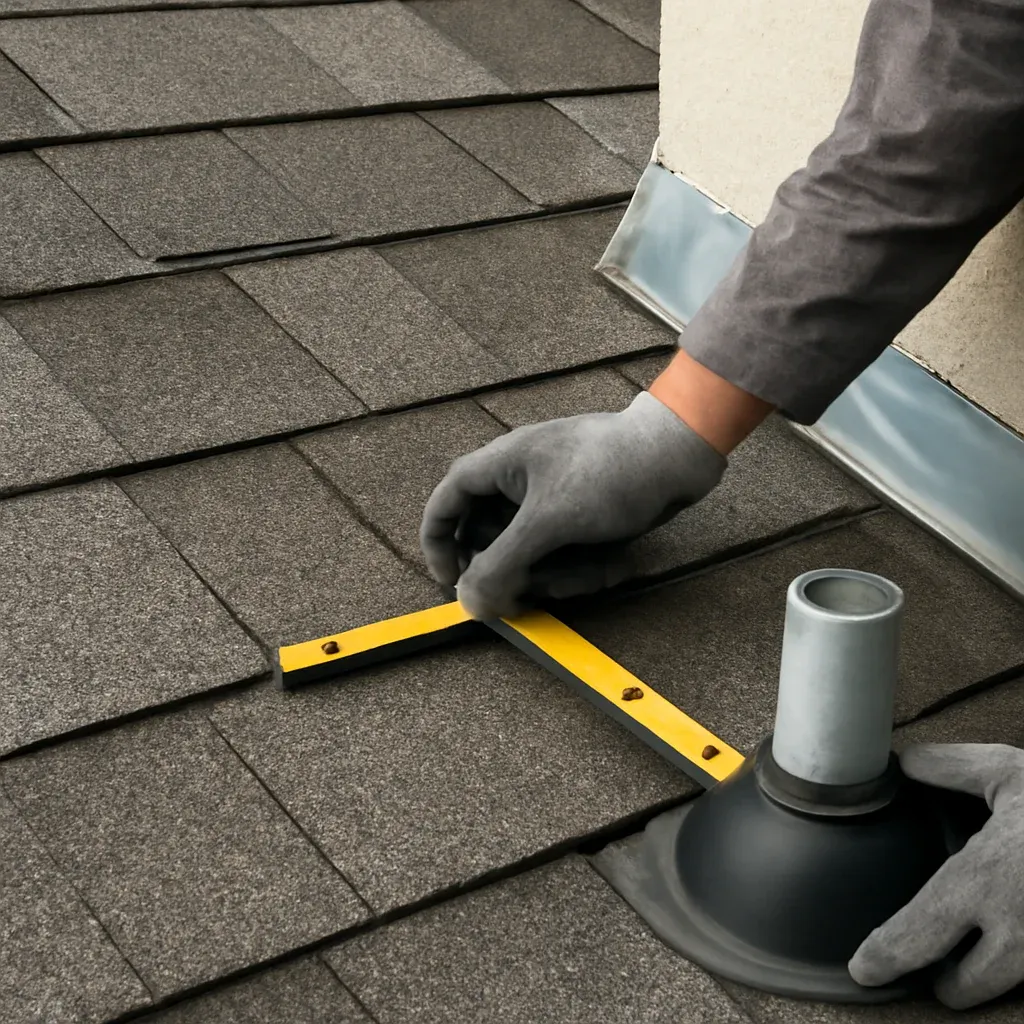
Close assessment of details connected to understanding roofing manufacturer and workmanship warranties

Property-specific inputs

What can change the general answer

  • Roof type and slope: Record roof type and slope with measurements, photographs or dated notes before drawing a conclusion about manufacturer-and-workmanship warranty review.
  • Measured area and complexity: For manufacturer-and-workmanship warranty review: Compare how each option handles measured area and complexity; the difference may change cost, timing or risk.
  • Access, staging and property protection: For manufacturer-and-workmanship warranty review: State assumptions about access, staging and property protection explicitly so they are not mistaken for verified site conditions.
  • Deck, insulation and flashing condition: For manufacturer-and-workmanship warranty review: Connect deck, insulation and flashing condition to the roof area, assembly or responsibility it affects.
  • Weather window and material availability: For manufacturer-and-workmanship warranty review: Recheck weather window and material availability when the property condition, proposed scope or schedule changes.

Before approving the manufacturer-and-workmanship warranty review, keep measurements, observations and assumptions separate. As the manufacturer-and-workmanship warranty review moves from review to scope, any input that cannot be verified safely should remain conditional until a site review or controlled opening provides evidence.

A practical comparison

Use the table to organize the conditions, responsibilities and next actions that affect manufacturer-and-workmanship warranty review.

ConditionWhat it can meanNext step
Localized defectSurrounding materials remain serviceableTargeted repair assessment
Widespread ageingSeveral areas show declineReplacement planning
Unclear water pathSymptom does not match visible defectLeak diagnosis

Turn the guidance into a property decision

For decisions about the manufacturer-and-workmanship warranty review, a documented next step is more useful than a universal answer detached from the roof.

Confirm the starting information

When the scope for the manufacturer-and-workmanship warranty review is being checked, gather the address, building type, roof system, known age, repair history and records related to roof type and slope.

Review the condition safely

At the next planning step for the manufacturer-and-workmanship warranty review, use safe photographs, inspection notes and measurements to assess measured area and complexity without asking an owner to climb onto the roof.

Compare complete options

While the evidence for the manufacturer-and-workmanship warranty review is being assembled, check how each option treats access, staging and property protection, deck, insulation and flashing condition and any concealed condition that could change the scope.

Record the next decision

To keep the manufacturer-and-workmanship warranty review practical and verifiable, write down the chosen action, assumptions, timing and the evidence still needed about weather window and material availability.

Technical context: Decisions about manufacturer-and-workmanship warranty review should be checked against current product instructions, the approved project scope and applicable British Columbia building and workplace-safety requirements. General guidance never makes unsafe roof access appropriate.

Frequently asked questions

These direct answers address the property details most likely to change a decision about manufacturer-and-workmanship warranty review.

What is the main answer to Understanding roofing manufacturer and workmanship warranties?

Understanding Roofing Manufacturer and Workmanship Warranties: begin with the roof type, current condition, exposure and the decision the property owner needs to make. For the manufacturer-and-workmanship warranty review, a site-specific assessment can change the answer where layers or moisture are concealed.

What information should I gather first?

During the manufacturer-and-workmanship warranty review, collect the roof age if known, leak history, prior estimates, safe photos and any warranty documents. In the written record for the manufacturer-and-workmanship warranty review, add the address and building type so climate and access can be considered.

When is professional inspection important?

Before approving the manufacturer-and-workmanship warranty review, use professional assessment when water is active, the roof is unsafe to access, damage may be concealed or the decision involves substantial repair or replacement. For manufacturer-and-workmanship warranty review, records related to access, staging and property protection help narrow the uncertainty.

Apply the guidance to the property

As the manufacturer-and-workmanship warranty review moves from review to scope, send the address, building type, known roof system, safe photographs and timing. Roofing Star can compare the guidance on manufacturer-and-workmanship warranty review with the property condition and explain whether an inspection, estimate or maintenance plan is the right next step.

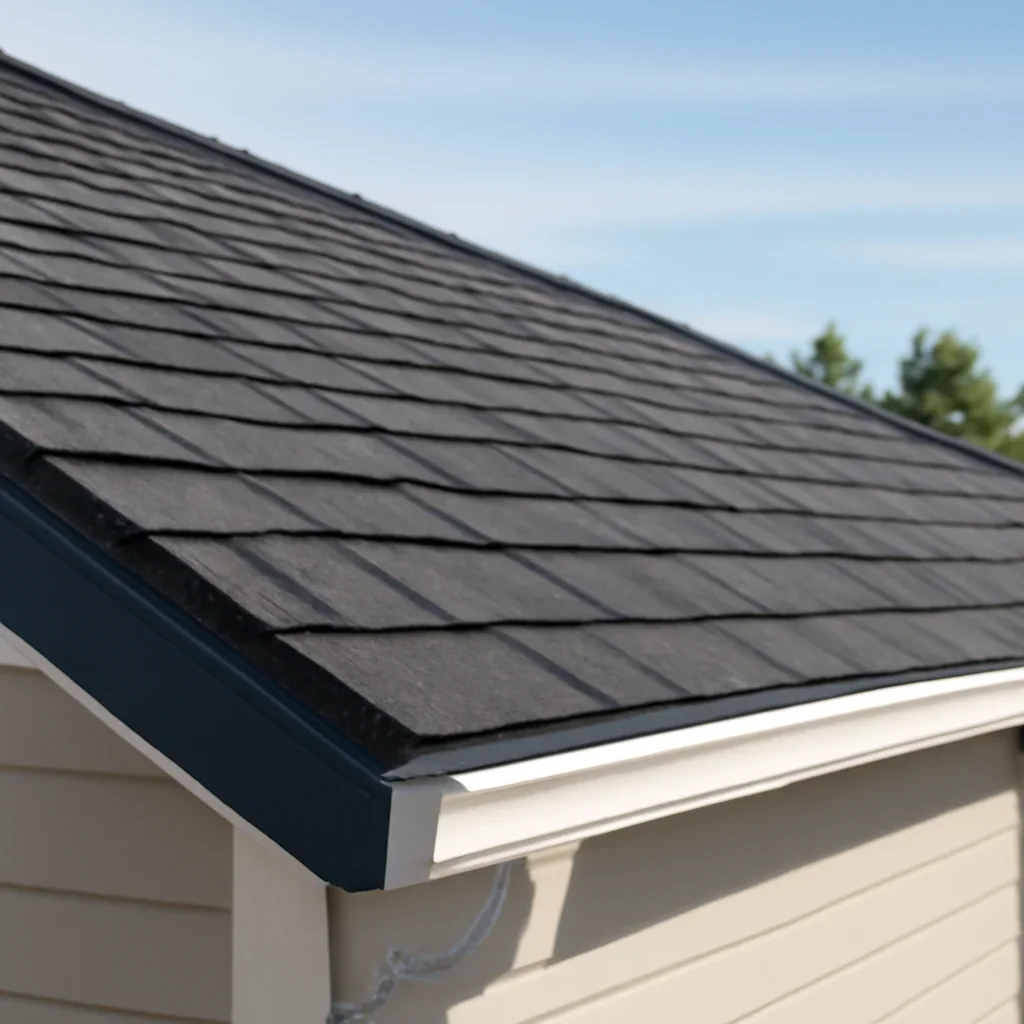
Completed roofing detail associated with understanding roofing manufacturer and workmanship warranties