Document the starting condition
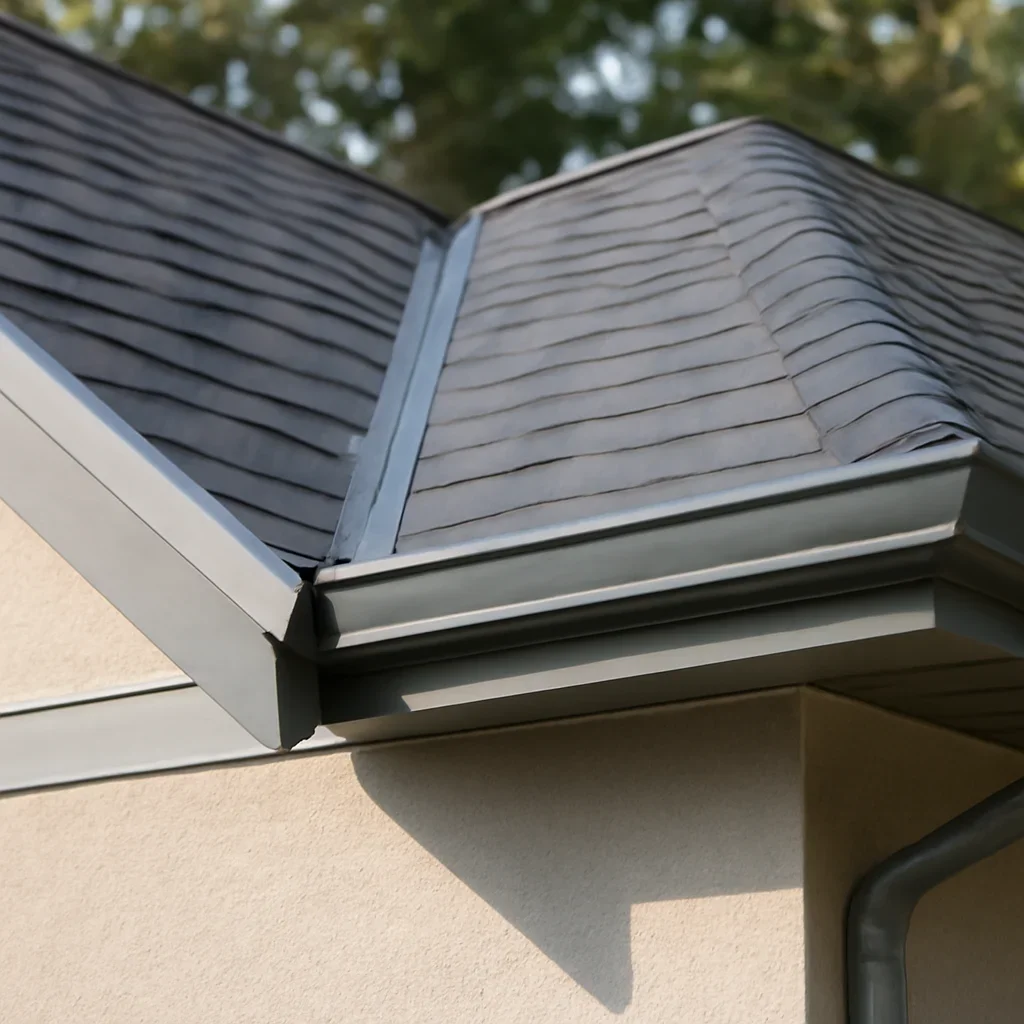
Photographs and notes for roof asset management should locate records scattered across vendors and show how adjacent drainage, flashings or materials affect the diagnosis.
Roof asset management turns inspections, repairs, warranties and budgets into a living record. It is most useful for owners with several roof areas or properties.
Owners can direct funds to the highest-consequence defects while avoiding premature replacement of roof areas that remain serviceable.
Condition review
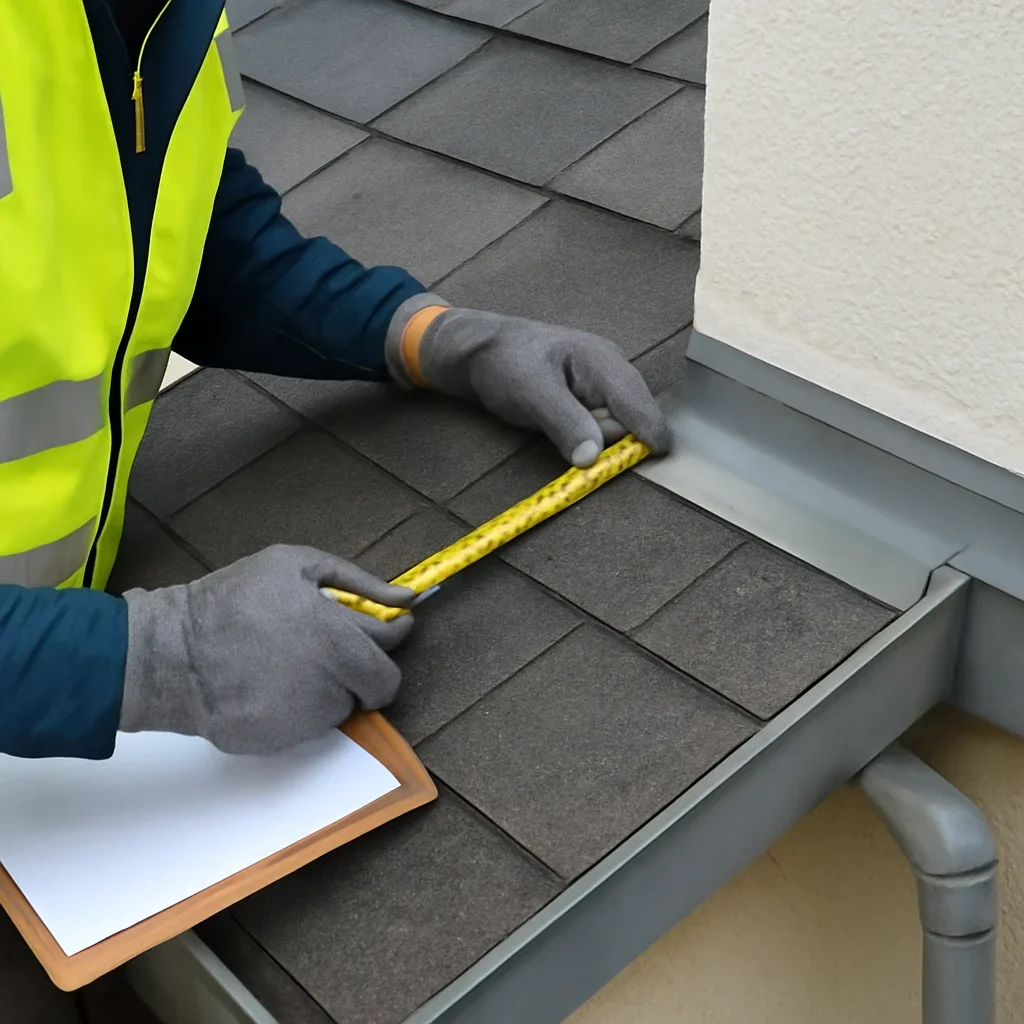
Each roof area should have an identifier, system description, installation history, condition rating, defect map and photo record.
For roof asset management, each stage creates a checkable decision or record before the next one begins.
Photographs and notes for roof asset management should locate records scattered across vendors and show how adjacent drainage, flashings or materials affect the diagnosis.
The plan tracks routine maintenance, repair priorities, investigation needs, renewal windows and budget assumptions that can be updated after each visit.
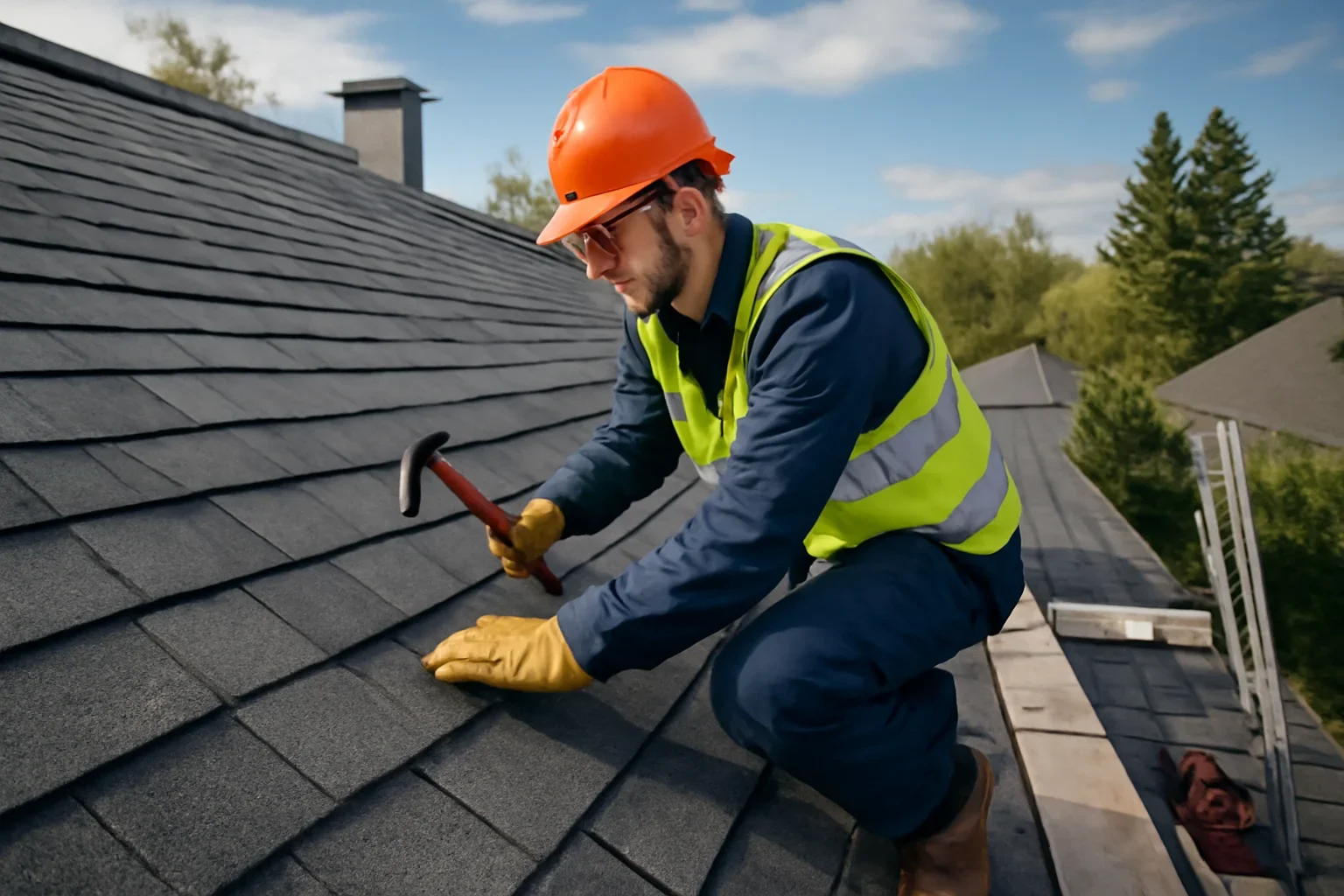
Before the work starts, agree on staging, weather limits, property protection, cleanup and who may authorize extra work if the work reveals repeat repairs at the same detail.
Closeout for roof asset management should identify the area completed, approved changes, product information, photographs and any maintenance or follow-up action.
Scope choice
The strongest roof asset management scope is the one that addresses the confirmed failure while preserving sound surrounding materials where practical. For roof asset management, age, recurrence, compatibility, concealed damage and the expected service life of the remaining assembly should be weighed together.
A useful proposal for roof asset management connects the observed condition to the selected method, names the alternatives considered and states limits that could change price or timing.

Before approving roof asset management work, confirm the legal contracting party, current insurance and WorkSafeBC information where applicable, the proposed system and the written warranty responsibilities.
For roof asset management work, photographs, references and reviews are useful only when the source is clear, customer permission is respected and the work shown is genuinely comparable.
These routes separate the service, location, evidence and approval questions surrounding the roof asset management scope.
Review commercial roofing when the decision route for commercial roofing affects the roof asset management scope.
Commercial roof inspections connects unmarked repairs that cannot be tracked with the records needed for the roof asset management scope.
Before finalizing the roof asset management scope, consult preventive roof maintenance for guidance on debris around drains.
These direct answers address scope, evidence and approval details that can affect roof asset management.
Each roof area should have an identifier, system description, installation history, condition rating, defect map and photo record. For roof asset management, the scope should follow the confirmed condition rather than the size of the visible symptom.
Owners can direct funds to the highest-consequence defects while avoiding premature replacement of roof areas that remain serviceable. During the review of roof asset management, the written recommendation should explain why the surrounding assembly can or cannot support a focused repair.
The plan tracks routine maintenance, repair priorities, investigation needs, renewal windows and budget assumptions that can be updated after each visit. In the written record for roof asset management, access, weather limits, property protection and authority for concealed-condition changes should be written down before the start date.
Before approving roof asset management, send the property location, building type, current concern, timing and safe photographs. Roofing Star can review whether roof asset management fits the condition and explain the next inspection or estimate step.