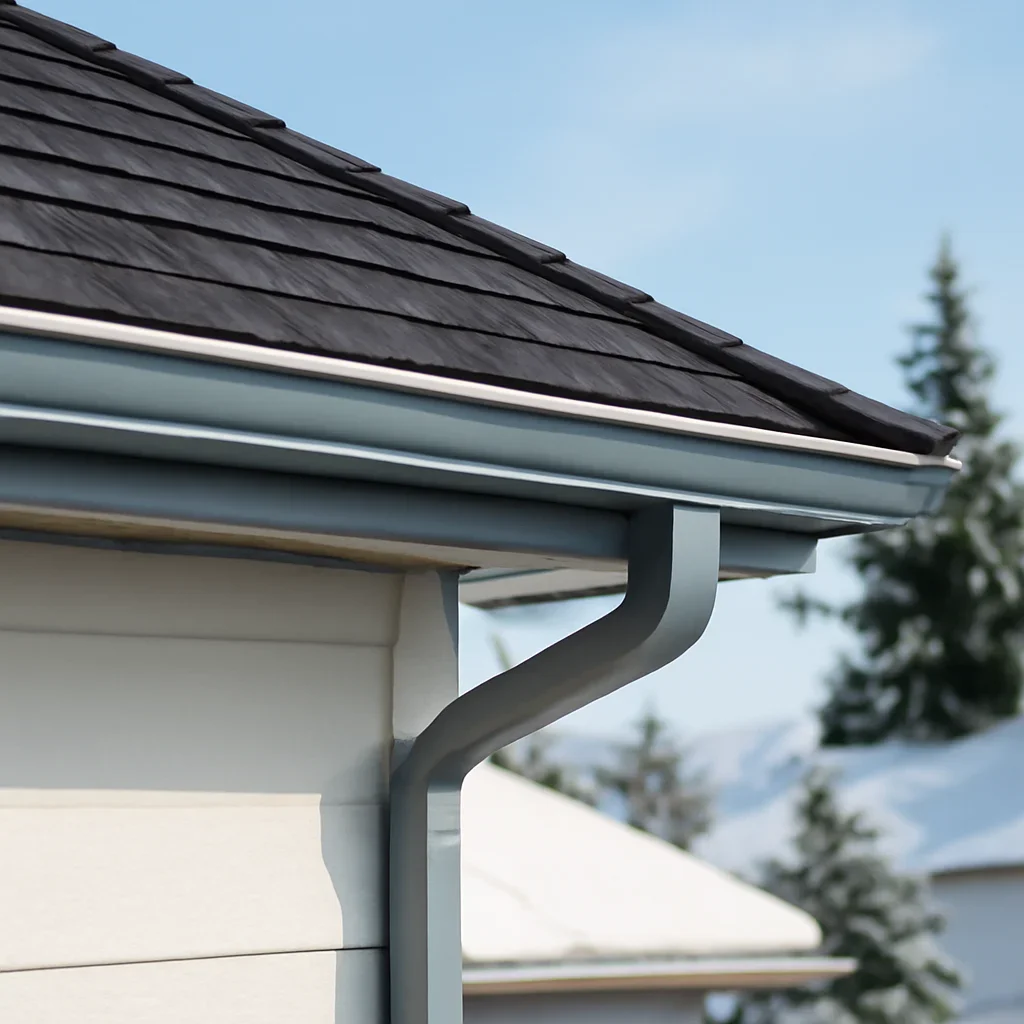
Separate regions and elevations
Coastal rain, Interior cold and mountain snow create different winter constraints; photographs, measurements or records should confirm surface moisture and ice.

A roof can sometimes be repaired or replaced during a B.C. winter, but safety, dry substrates, product temperature limits, snow, daylight and daily dry-in control the decision. Manufacturer requirements and site conditions come first.
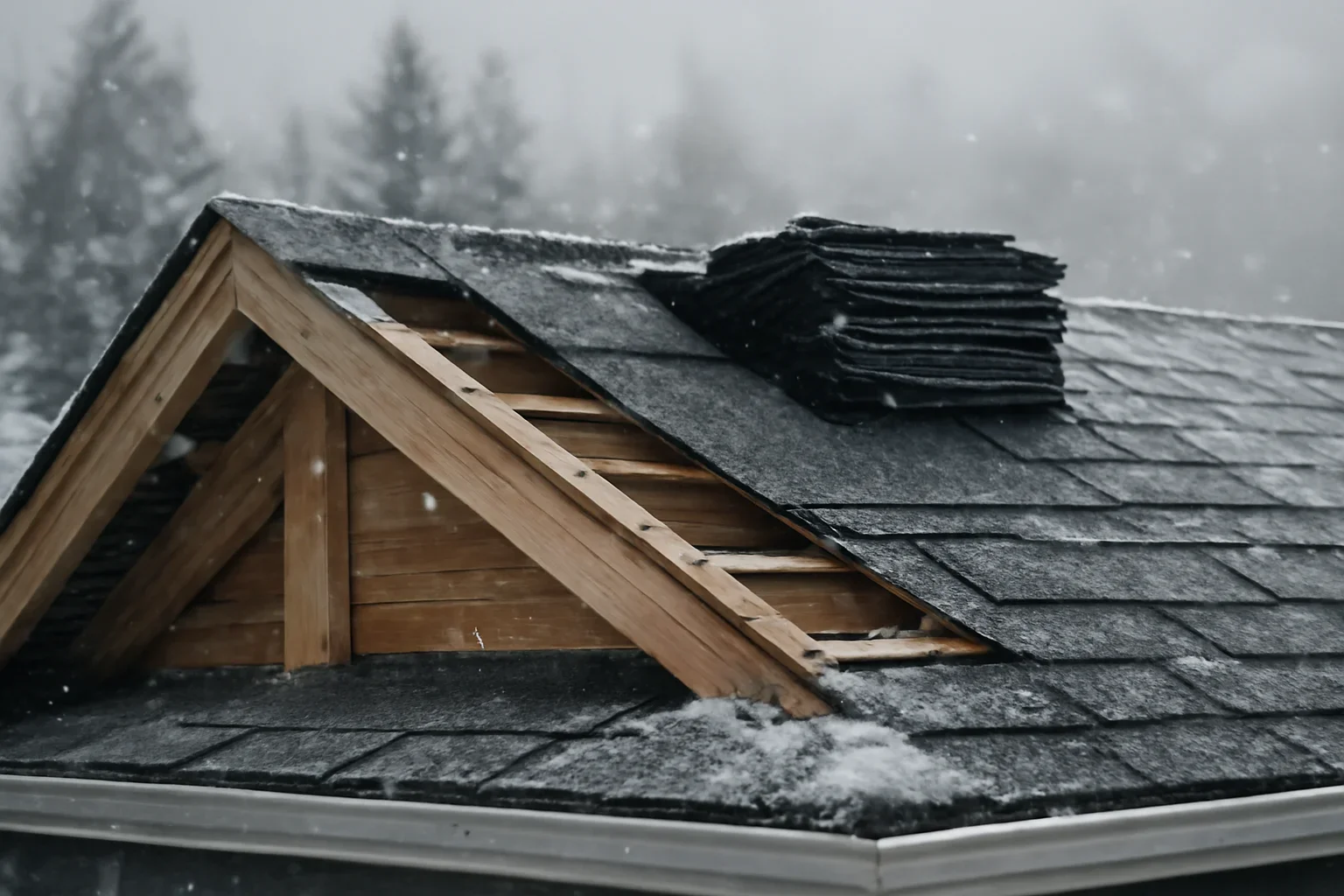
Coastal rain, Interior cold and mountain snow create different winter constraints. The comparison should also account for surface moisture and ice and product temperature limits.
Each checkpoint tests a different part of winter roof-replacement plan against property evidence and the proposed scope.
Coastal rain, Interior cold and mountain snow create different winter constraints; photographs, measurements or records should confirm surface moisture and ice.
Shingles, adhesives, primers, coatings and membranes have temperature and moisture limits; the written conclusion should show the effect of product temperature limits on the result.
Open only what can be dried in and secured before conditions change; recheck wind and daylight when the condition, scope or timing changes.
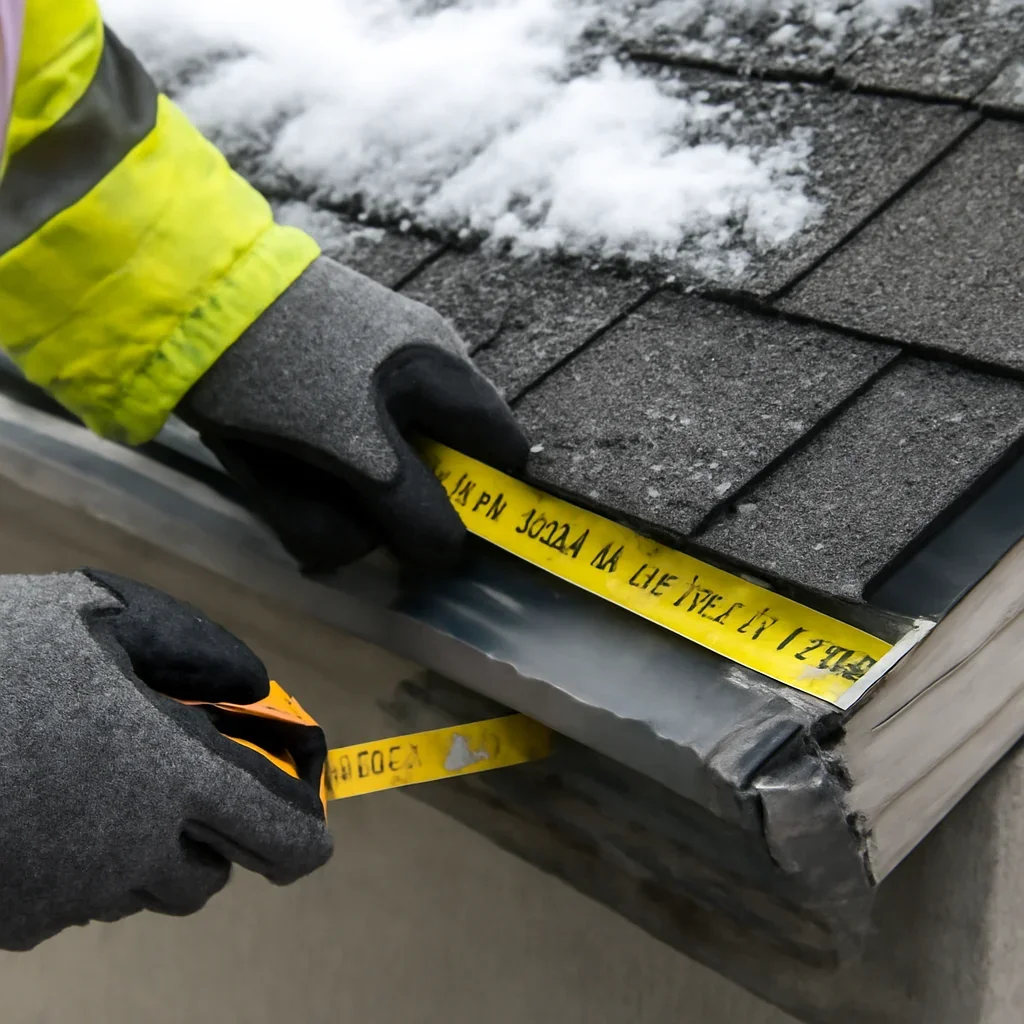
Property-specific inputs
For the winter roof-replacement plan, keep measurements, observations and assumptions separate. During the review of the winter roof-replacement plan, any input that cannot be verified safely should remain conditional until a site review or controlled opening provides evidence.
Use the table to organize the conditions, responsibilities and next actions that affect winter roof-replacement plan.
| Condition | Possible response | Do not |
|---|---|---|
| Active leak | Safe stabilization | Wait without protection |
| Dry mild window | Limited planned work | Ignore forecast |
| Snow or ice | Postpone exterior access | Send occupants onto roof |
In the written record for the winter roof-replacement plan, a documented next step is more useful than a universal answer detached from the roof.
Gather the address, building type, roof system, known age, repair history and records related to surface moisture and ice.
Use safe photographs, inspection notes and measurements to assess product temperature limits without asking an owner to climb onto the roof.
Check how each option treats wind and daylight, daily dry-in and any concealed condition that could change the scope.
Write down the chosen action, assumptions, timing and the evidence still needed about occupant urgency.
These routes separate the service, location, evidence and approval questions surrounding the winter roof-replacement plan decision.
Review roofing resources when the decision route for roofing resources affects the winter roof-replacement plan decision.
Request a roofing estimate connects the information needed to qualify the estimate request with the records needed for the winter roof-replacement plan decision.
Before finalizing the winter roof-replacement plan decision, consult winter roof repair for guidance on event documentation, safety, temporary protection, damaged components and weather-dependent permanent work.
These direct answers address the property details most likely to change a decision about winter roof-replacement plan.
Seal strips may take longer and may need approved hand-sealing depending on conditions and product instructions. For winter roof-replacement plan, records related to surface moisture and ice help narrow the uncertainty.
Active water entry should be safely stabilized. Permanent work can be scheduled for suitable conditions if the temporary measure is monitored.
It can if installation falls outside product requirements. The contractor should document conditions and follow the manufacturer's instructions.
Before approving the winter roof-replacement plan, send the address, building type, known roof system, safe photographs and timing. Roofing Star can compare the guidance on winter roof-replacement plan with the property condition and explain whether an inspection, estimate or maintenance plan is the right next step.