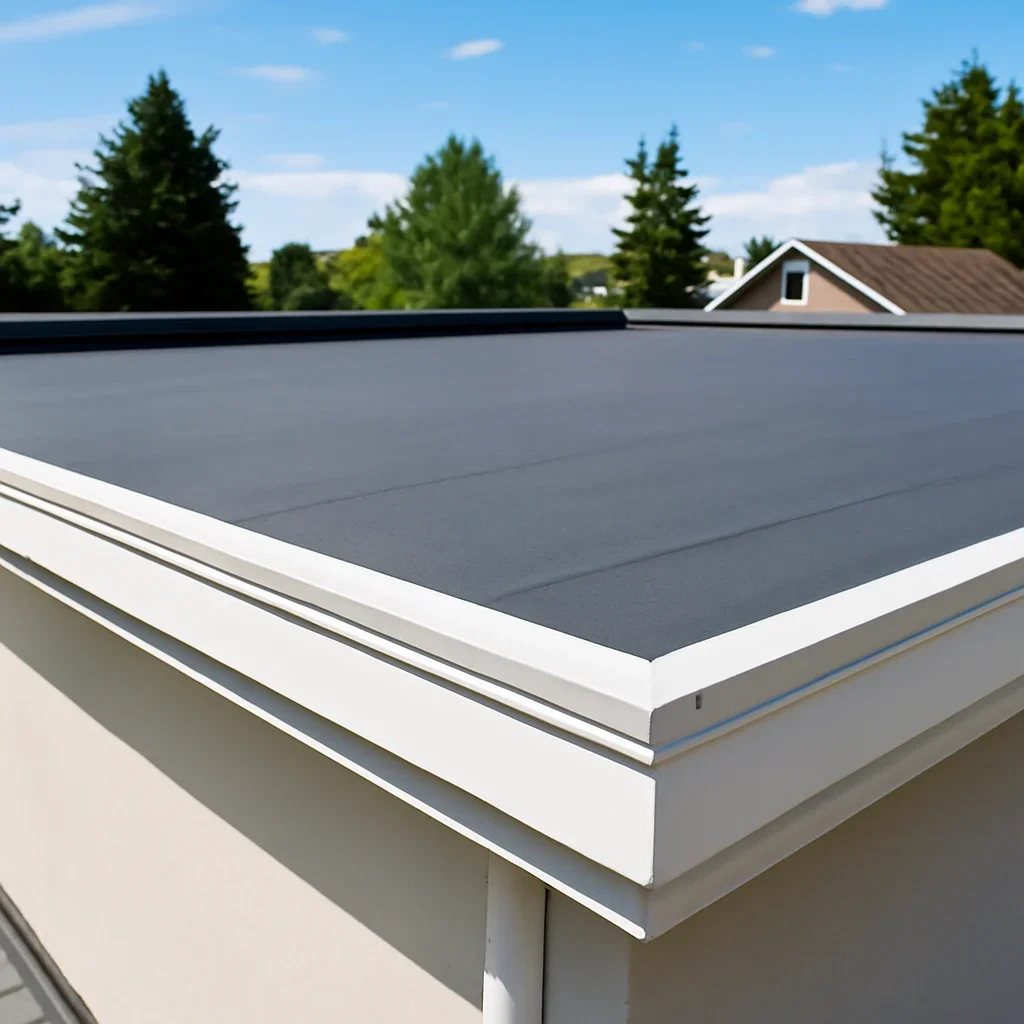
Identify the actual membrane
SBS, TPO, EPDM and coated assemblies have different seam, repair and maintenance methods; photographs, measurements or records should confirm membrane type and seam condition.

Flat-roof service life depends on membrane type, drainage, seams, flashings, insulation moisture, rooftop traffic and maintenance. British Columbia rain, temperature change and regional exposure make condition by roof zone more useful than a single age figure.
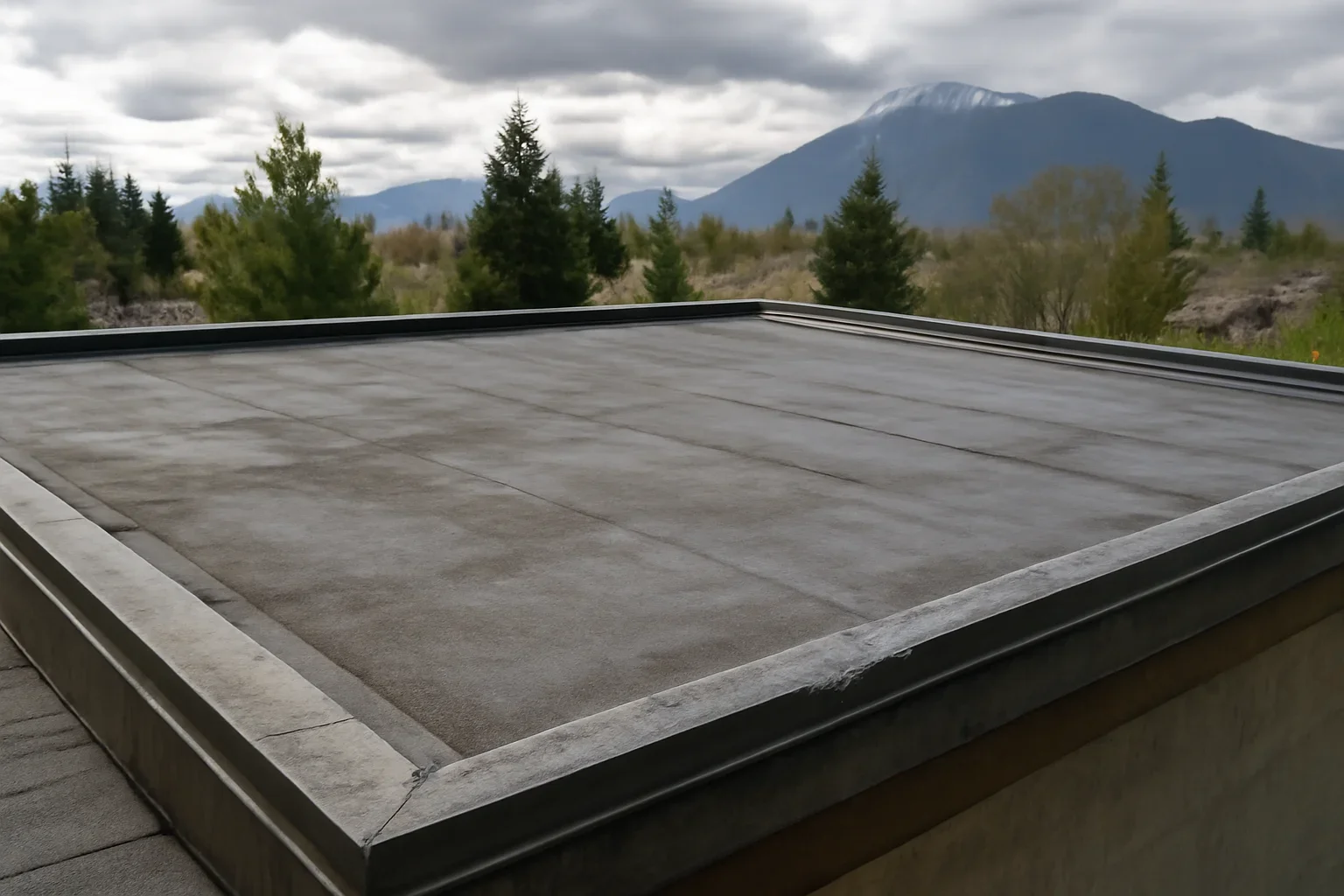
SBS, TPO, EPDM and coated assemblies have different seam, repair and maintenance methods. The comparison should also account for membrane type and seam condition and drainage and ponding.
Each checkpoint tests a different part of low-slope roof forecast against property evidence and the proposed scope.
SBS, TPO, EPDM and coated assemblies have different seam, repair and maintenance methods; photographs, measurements or records should confirm membrane type and seam condition.
Drainage areas, equipment paths, transitions and earlier repair zones can age differently on the same building; the written conclusion should show the effect of drainage and ponding on the result.
Core cuts, scans or openings may be needed to understand wet insulation and define whether repair, restoration or replacement fits; recheck curbs, edges and penetrations when the condition, scope or timing changes.
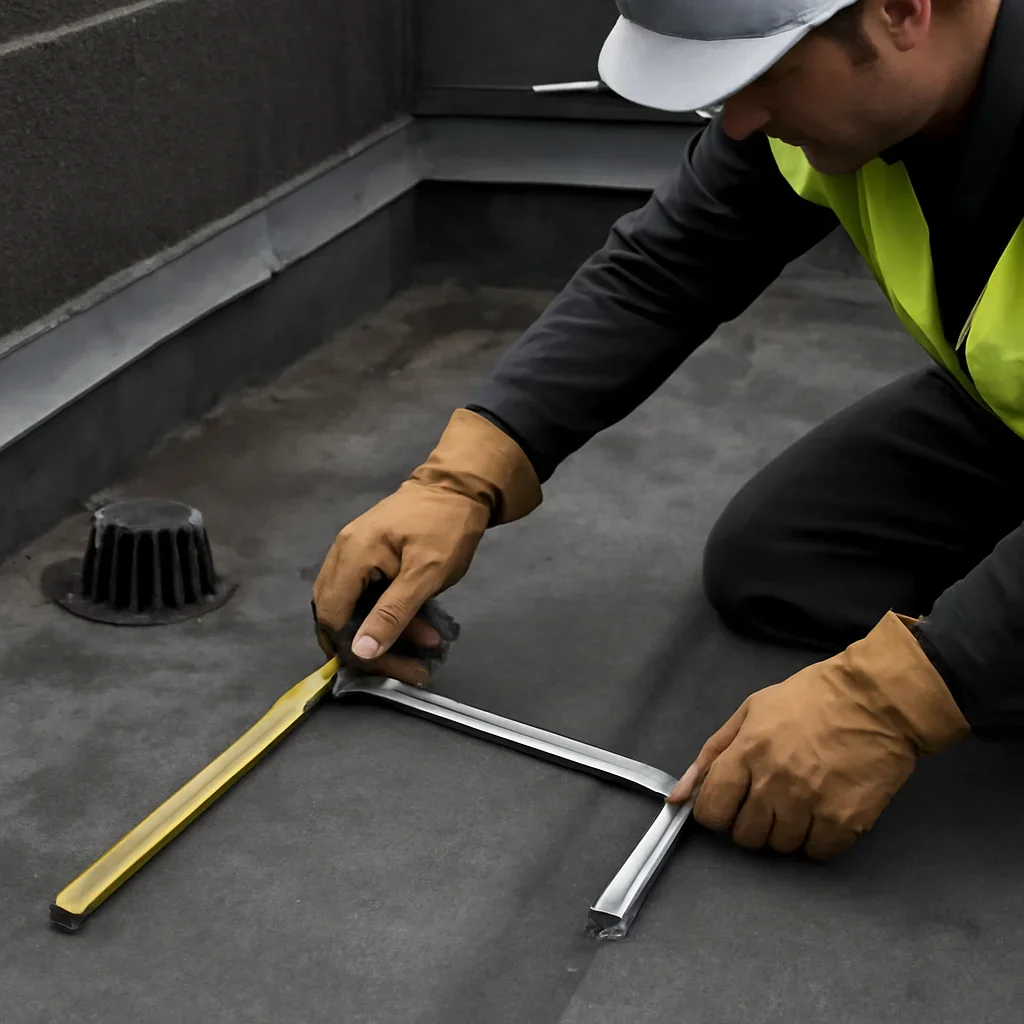
Property-specific inputs
For the low-slope roof forecast, keep measurements, observations and assumptions separate. During the review of the low-slope roof forecast, any input that cannot be verified safely should remain conditional until a site review or controlled opening provides evidence.
Use the table to organize the conditions, responsibilities and next actions that affect low-slope roof forecast.
| Decision point | What to review | Why it matters |
|---|---|---|
| Identify the actual membrane | SBS, TPO, EPDM and coated assemblies have different seam, repair and maintenance methods. | Confirms the evidence related to membrane type and seam condition. |
| Map condition by roof zone | Drainage areas, equipment paths, transitions and earlier repair zones can age differently on the same building. | Shows how drainage and ponding changes the comparison. |
| Use moisture evidence carefully | Core cuts, scans or openings may be needed to understand wet insulation and define whether repair, restoration or replacement fits. | Turns the general answer into a documented next step. |
In the written record for the low-slope roof forecast, a documented next step is more useful than a universal answer detached from the roof.
Gather the address, building type, roof system, known age, repair history and records related to membrane type and seam condition.
Use safe photographs, inspection notes and measurements to assess drainage and ponding without asking an owner to climb onto the roof.
Check how each option treats curbs, edges and penetrations, wet insulation or substrate and any concealed condition that could change the scope.
Write down the chosen action, assumptions, timing and the evidence still needed about traffic, repairs and maintenance.
These routes separate the service, location, evidence and approval questions surrounding the low-slope roof forecast decision.
Review roofing resources when the decision route for roofing resources affects the low-slope roof forecast decision.
Commercial roofing connects the decision route for commercial roofing with the records needed for the low-slope roof forecast decision.
Before finalizing the low-slope roof forecast decision, consult request a roofing estimate for guidance on the information needed to qualify the estimate request.
These direct answers address the property details most likely to change a decision about low-slope roof forecast.
Not always, but persistent water can stress seams, collect debris and reveal drainage or slope problems. The membrane condition and duration of ponding need review.
Sometimes, when the assembly is sufficiently dry, stable and compatible with the restoration system. Moisture, adhesion and detail conditions must support the choice.
Use condition ranges by zone and state the assumptions and evidence. Avoid one guaranteed date, especially when concealed moisture has not been investigated.
Before approving the low-slope roof forecast, send the address, building type, known roof system, safe photographs and timing. Roofing Star can compare the guidance on low-slope roof forecast with the property condition and explain whether an inspection, estimate or maintenance plan is the right next step.