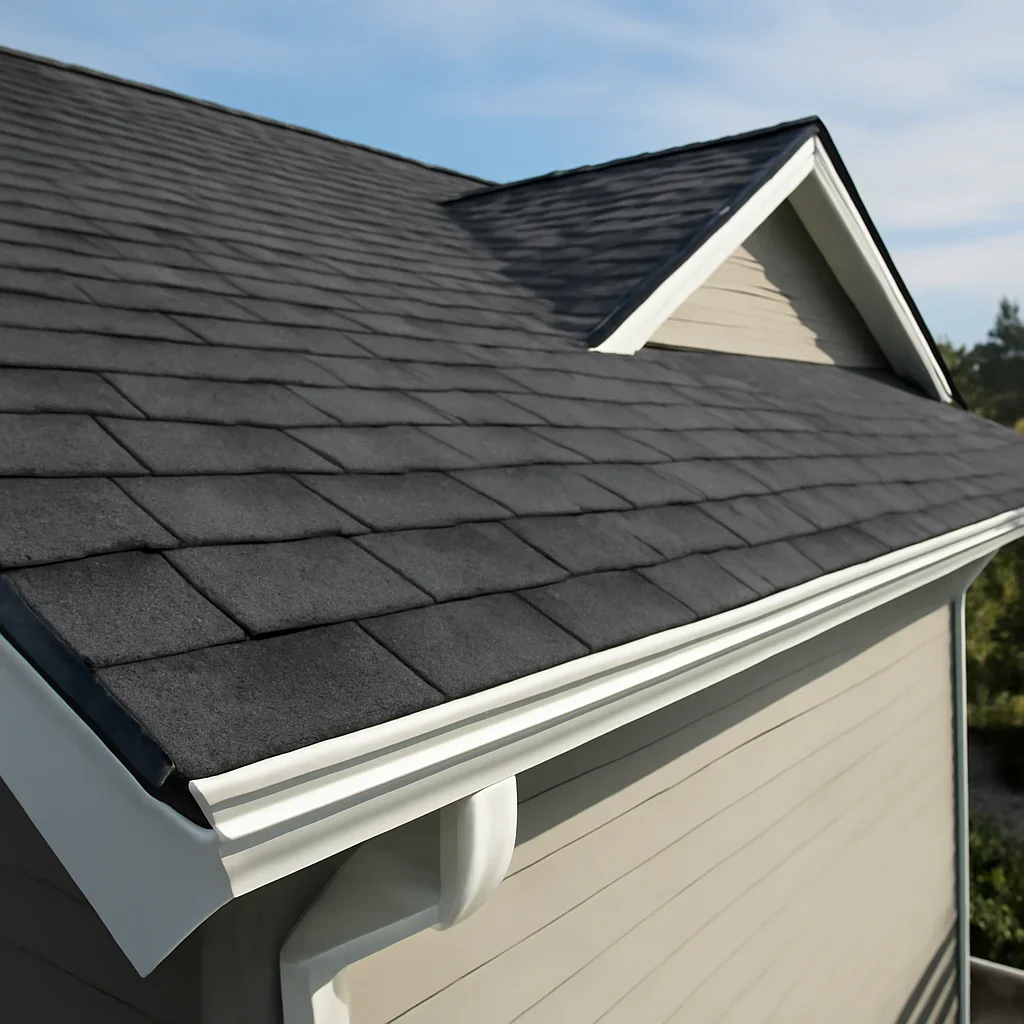
Separate calendar time from roof-open time
Delivery, setup, weather and inspections add days even when each open area is dried in promptly; photographs, measurements or records should confirm roof area and geometry.

Many straightforward home replacements take several working days, but size, slope, layers, deck repairs, weather, access and detail complexity can shorten or extend the schedule. Commercial and multi-building projects are usually phased.
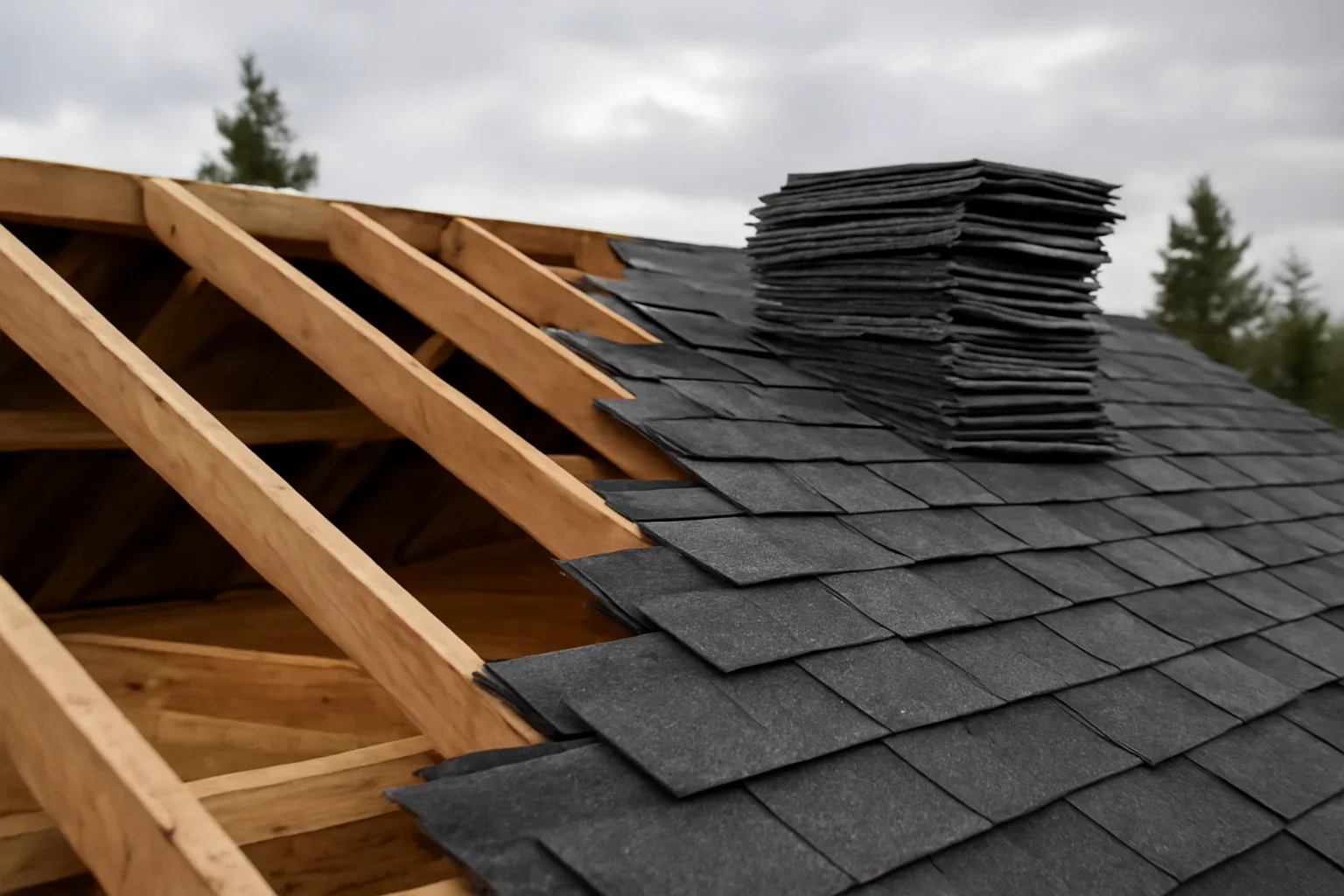
Delivery, setup, weather and inspections add days even when each open area is dried in promptly. The comparison should also account for roof area and geometry and tear-off layers.
Each checkpoint tests a different part of roof-replacement schedule review against property evidence and the proposed scope.
Delivery, setup, weather and inspections add days even when each open area is dried in promptly; photographs, measurements or records should confirm roof area and geometry.
Deck or structural repairs can change the sequence after tear-off; the written conclusion should show the effect of tear-off layers on the result.
Parking, pets, entrances, tenants and sensitive operations affect daily work; recheck deck condition when the condition, scope or timing changes.

Property-specific inputs
For the roof-replacement schedule review, keep measurements, observations and assumptions separate. During the roof-replacement schedule review, any input that cannot be verified safely should remain conditional until a site review or controlled opening provides evidence.
Use the table to organize the conditions, responsibilities and next actions that affect roof-replacement schedule review.
| Project type | Typical structure | Main delay risks |
|---|---|---|
| Simple home roof | Several working days | Weather and deck repair |
| Complex home | Phased by roof area | Details and access |
| Commercial roof | Zone-based schedule | Operations and moisture |
In the written record for the roof-replacement schedule review, a documented next step is more useful than a universal answer detached from the roof.
Gather the address, building type, roof system, known age, repair history and records related to roof area and geometry.
Use safe photographs, inspection notes and measurements to assess tear-off layers without asking an owner to climb onto the roof.
Check how each option treats deck condition, crew and access and any concealed condition that could change the scope.
Write down the chosen action, assumptions, timing and the evidence still needed about weather and material delivery.
These routes separate the service, location, evidence and approval questions surrounding the roof-replacement schedule review decision.
Review roofing resources when the decision route for roofing resources affects the roof-replacement schedule review decision.
Roof replacement connects hidden deck deterioration with the records needed for the roof-replacement schedule review decision.
Before finalizing the roof-replacement schedule review decision, consult request a roofing estimate for guidance on the information needed to qualify the estimate request.
These direct answers address the property details most likely to change a decision about roof-replacement schedule review.
Work should be planned so opened areas are weather-tight before crews leave. Temporary protection needs secure, inspected installation.
The contractor should adjust the amount opened, protect materials and communicate schedule changes rather than gamble with dry-in. For roof-replacement schedule review, records related to tear-off layers help narrow the uncertainty.
Small areas may fit the planned sequence, while broad damage can require material, approval and schedule changes. For roof-replacement schedule review, records related to deck condition help narrow the uncertainty.
Before approving the roof-replacement schedule review, send the address, building type, known roof system, safe photographs and timing. Roofing Star can compare the guidance on roof-replacement schedule review with the property condition and explain whether an inspection, estimate or maintenance plan is the right next step.