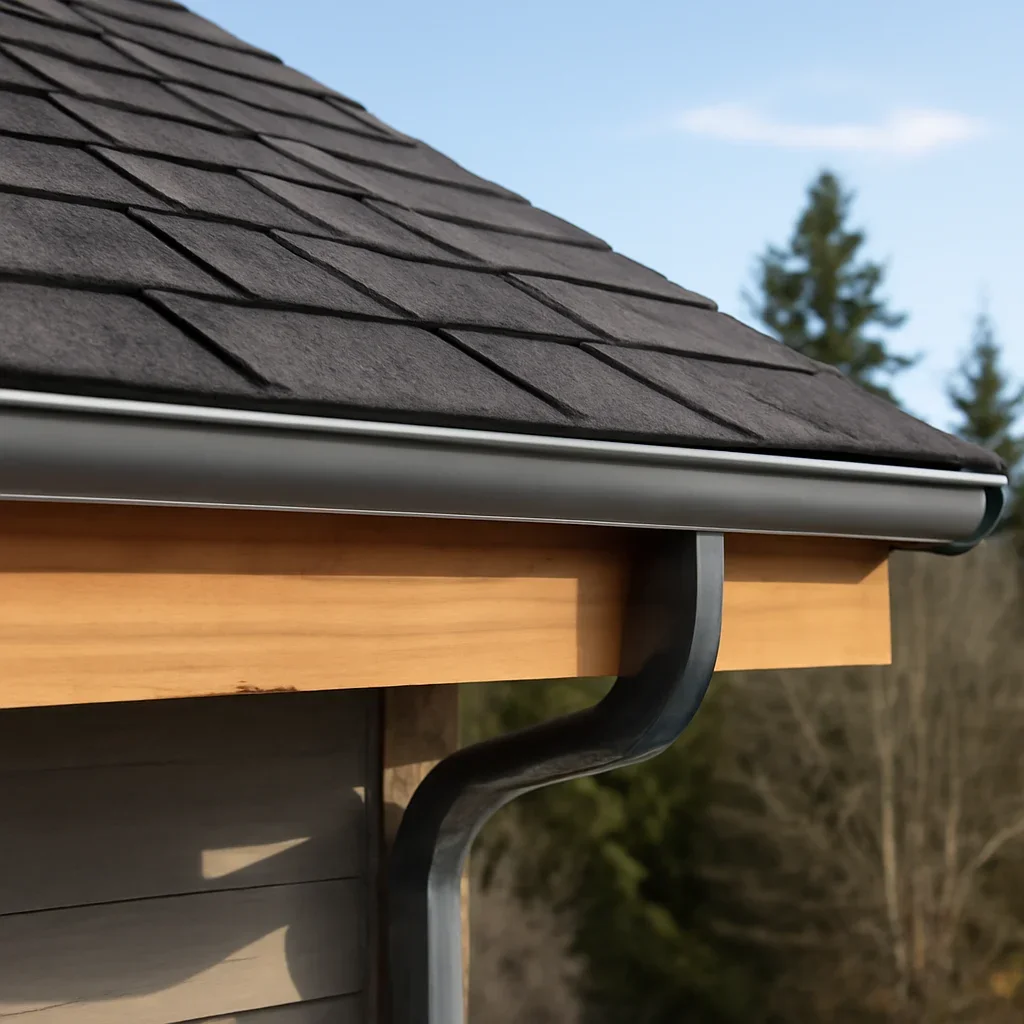
Reduce heat reaching the roof deck
Seal attic bypasses and correct insulation gaps before relying only on exterior measures; photographs, measurements or records should confirm attic air leakage.

Ice dams form when roof snow melts over warmer areas and refreezes near colder eaves, backing water under roof coverings. Prevention combines air sealing, insulation, ventilation, drainage and snow-aware detailing.
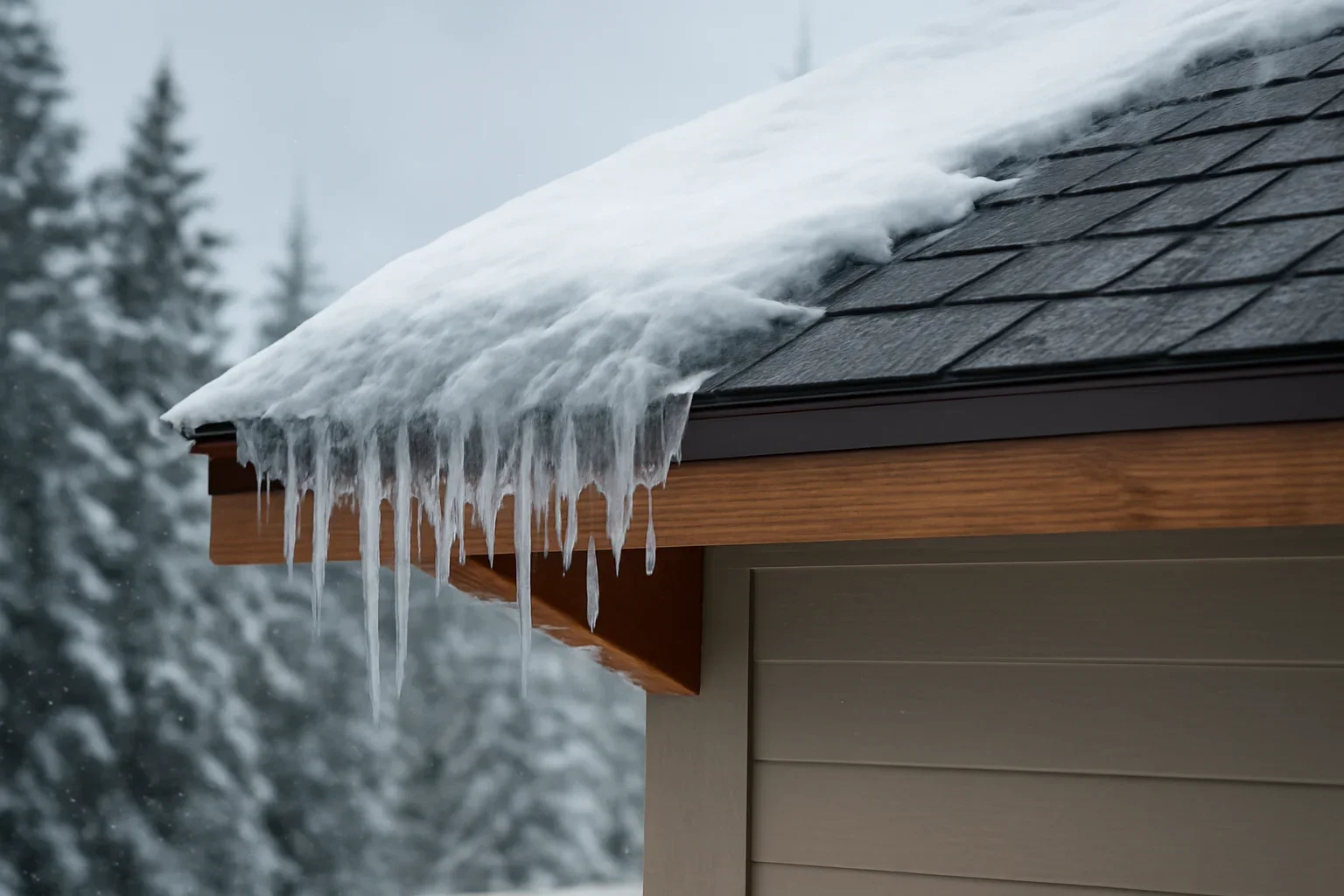
Seal attic bypasses and correct insulation gaps before relying only on exterior measures. The comparison should also account for attic air leakage and insulation continuity.
Each checkpoint tests a different part of ice-dam prevention plan against property evidence and the proposed scope.
Seal attic bypasses and correct insulation gaps before relying only on exterior measures; photographs, measurements or records should confirm attic air leakage.
Balanced ventilation can help when the attic design supports it; the written conclusion should show the effect of insulation continuity on the result.
Appropriate underlayment and drainage details provide secondary protection but do not eliminate the heat source; recheck ventilation when the condition, scope or timing changes.
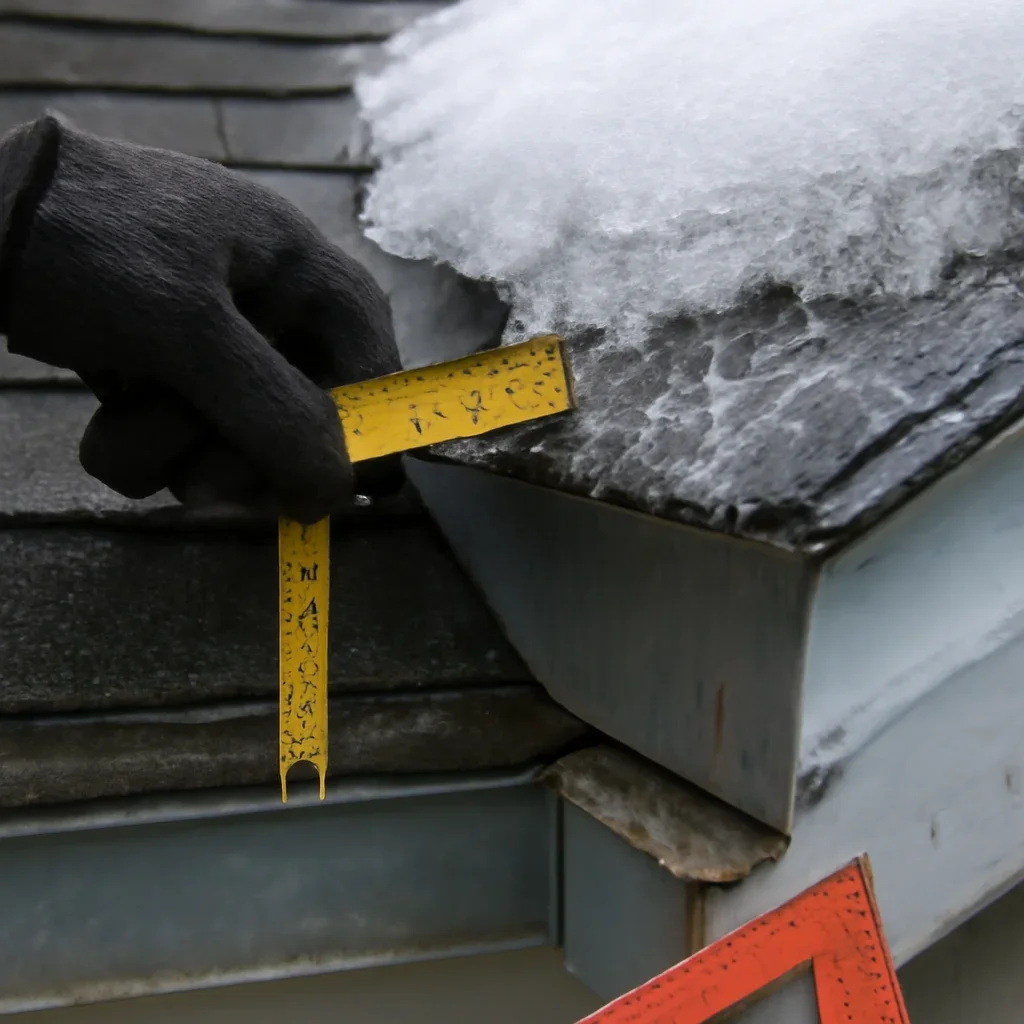
Property-specific inputs
For the ice-dam prevention plan, keep measurements, observations and assumptions separate. During the review of the ice-dam prevention plan, any input that cannot be verified safely should remain conditional until a site review or controlled opening provides evidence.
Use the table to organize the conditions, responsibilities and next actions that affect ice-dam prevention plan.
| Sign | Possible cause | Review |
|---|---|---|
| Large eave icicles | Melt and refreeze | Attic heat loss |
| Stains after thaw | Backed-up water | Eave assembly |
| Uneven snow melt | Warm roof zones | Air sealing and insulation |
In the written record for the ice-dam prevention plan, a documented next step is more useful than a universal answer detached from the roof.
Gather the address, building type, roof system, known age, repair history and records related to attic air leakage.
Use safe photographs, inspection notes and measurements to assess insulation continuity without asking an owner to climb onto the roof.
Check how each option treats ventilation, snow depth and any concealed condition that could change the scope.
Write down the chosen action, assumptions, timing and the evidence still needed about eave geometry.
These routes separate the service, location, evidence and approval questions surrounding the ice-dam prevention plan decision.
Review roofing resources when the decision route for roofing resources affects the ice-dam prevention plan decision.
Request a roofing estimate connects the information needed to qualify the estimate request with the records needed for the ice-dam prevention plan decision.
Before finalizing the ice-dam prevention plan decision, consult roofing in Northern B.C. for guidance on snow load and drainage.
These direct answers address the property details most likely to change a decision about ice-dam prevention plan.
Do not climb onto an icy roof. Professional removal methods and interior monitoring are safer.
It may create drainage paths in selected designs, but it does not correct attic heat loss by itself. For ice-dam prevention plan, records related to insulation continuity help narrow the uncertainty.
It can improve eave protection and ventilation, but air sealing and insulation may still need separate work. For ice-dam prevention plan, records related to ventilation help narrow the uncertainty.
Before approving the ice-dam prevention plan, send the address, building type, known roof system, safe photographs and timing. Roofing Star can compare the guidance on ice-dam prevention plan with the property condition and explain whether an inspection, estimate or maintenance plan is the right next step.