Why schedule a roof assessment?
A roof inspection is an important part of understanding the condition of a home’s roofing system. Whether a roof is several years old, has recently experienced severe weather, or is showing signs of wear, an inspection can help homeowners identify problems and make better decisions about maintenance and future work.
What a Roof Inspection Can Reveal
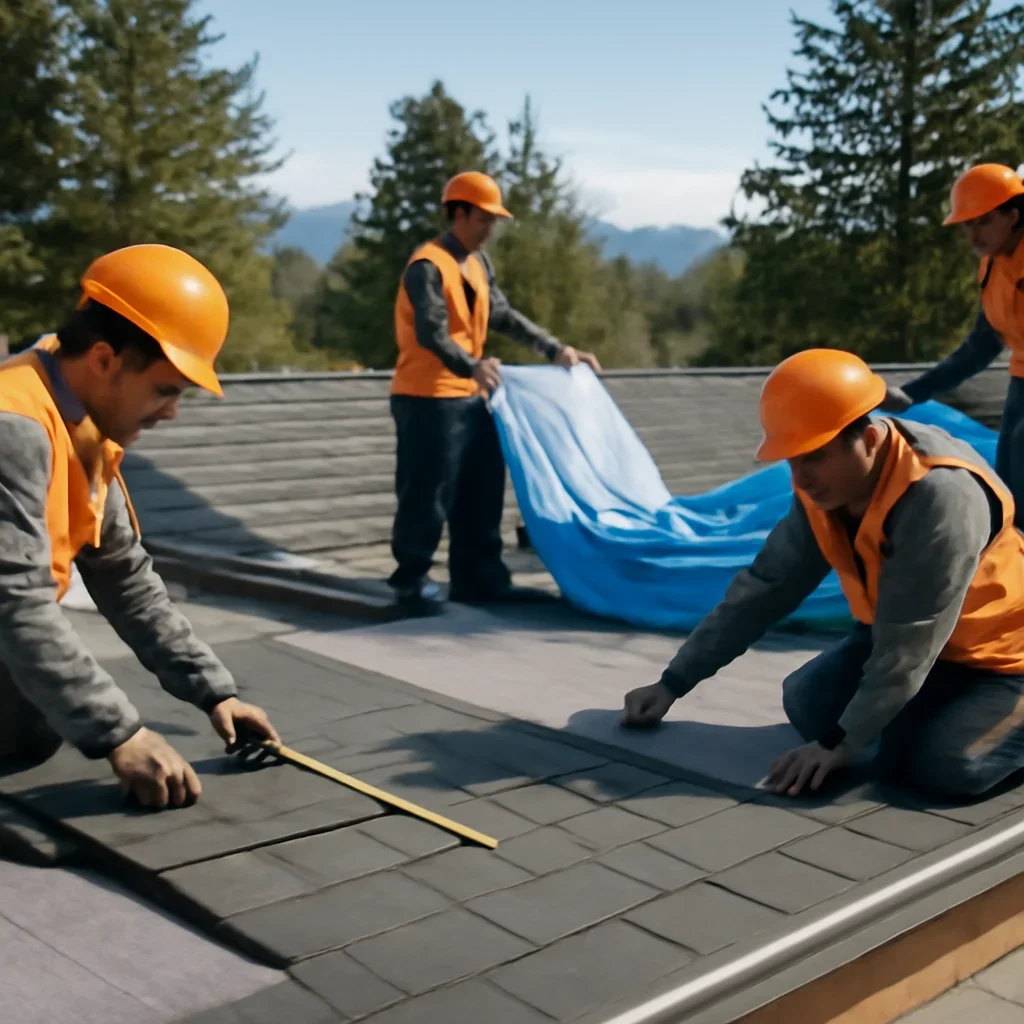
A thorough inspection looks beyond the most obvious signs of damage. Roofing professionals can assess the condition of the roofing materials, flashing, drainage areas, penetrations, and other components that contribute to the roof’s performance.
Small problems can sometimes be difficult to spot from the ground. Damaged materials or areas of deterioration may not become noticeable until they allow moisture into the building.
When Should You Schedule One?
Homeowners do not necessarily need to wait until they notice a leak. An inspection can be useful as part of regular property maintenance, particularly as a roof gets older.
It can also make sense after significant wind, rain, or other severe weather. Identifying storm-related damage early may help prevent a relatively contained issue from becoming more extensive.
A roof inspection can also provide useful information when purchasing or selling a property. Knowing the current condition of the roof can help homeowners understand upcoming maintenance or replacement considerations.
Inspection vs. Immediate Replacement
An inspection does not automatically mean that a roof needs to be replaced. The purpose is to understand its current condition and determine what type of work, if any, is appropriate.
If damage is limited, repairs may be enough. If the roofing system is significantly deteriorated or approaching the end of its service life, replacement may be the more practical long-term option.
The important thing is to base that decision on the actual condition of the roof rather than assuming that every visible issue requires a complete replacement.
Make Inspection Part of a Larger Maintenance Plan
Regular inspections work best when combined with ongoing maintenance. Keeping gutters and drainage areas clear, removing excessive debris, monitoring visible flashing, and addressing small problems promptly can all contribute to better roof performance.
For homeowners, the biggest benefit is having a clearer understanding of what is happening with one of the most important protective systems in the property. A timely inspection can turn uncertainty into a practical plan for repairs, maintenance, or eventual replacement.
