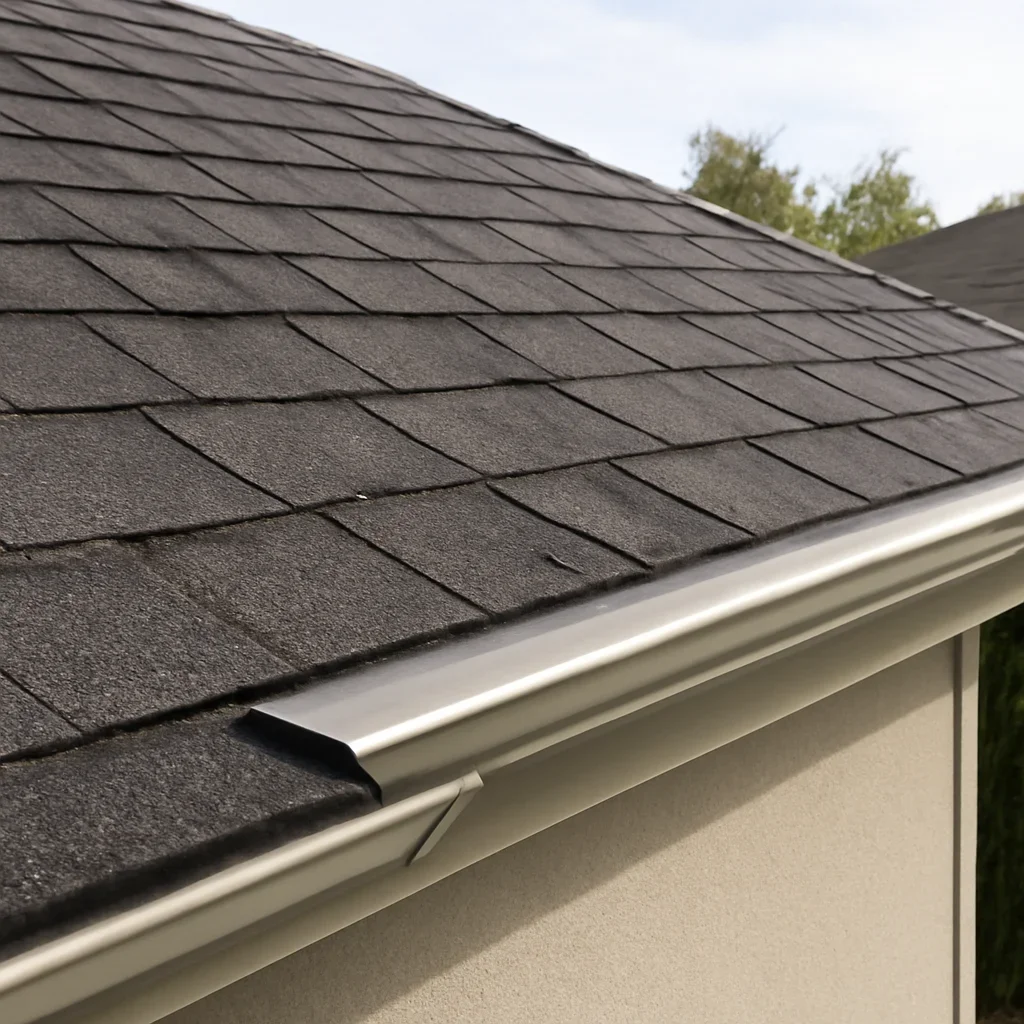
Check immediate hazards
Keep away from fallen lines, loose sheet metal, hanging gutters, unstable trees and areas where debris may fall; photographs, measurements or records should confirm people, electrical and falling-object safety.

After a major British Columbia windstorm, stay clear of loose materials and damaged electrical lines, protect occupants and document visible conditions from the ground or interior. Do not climb onto the roof; arrange safe inspection and temporary protection when required.
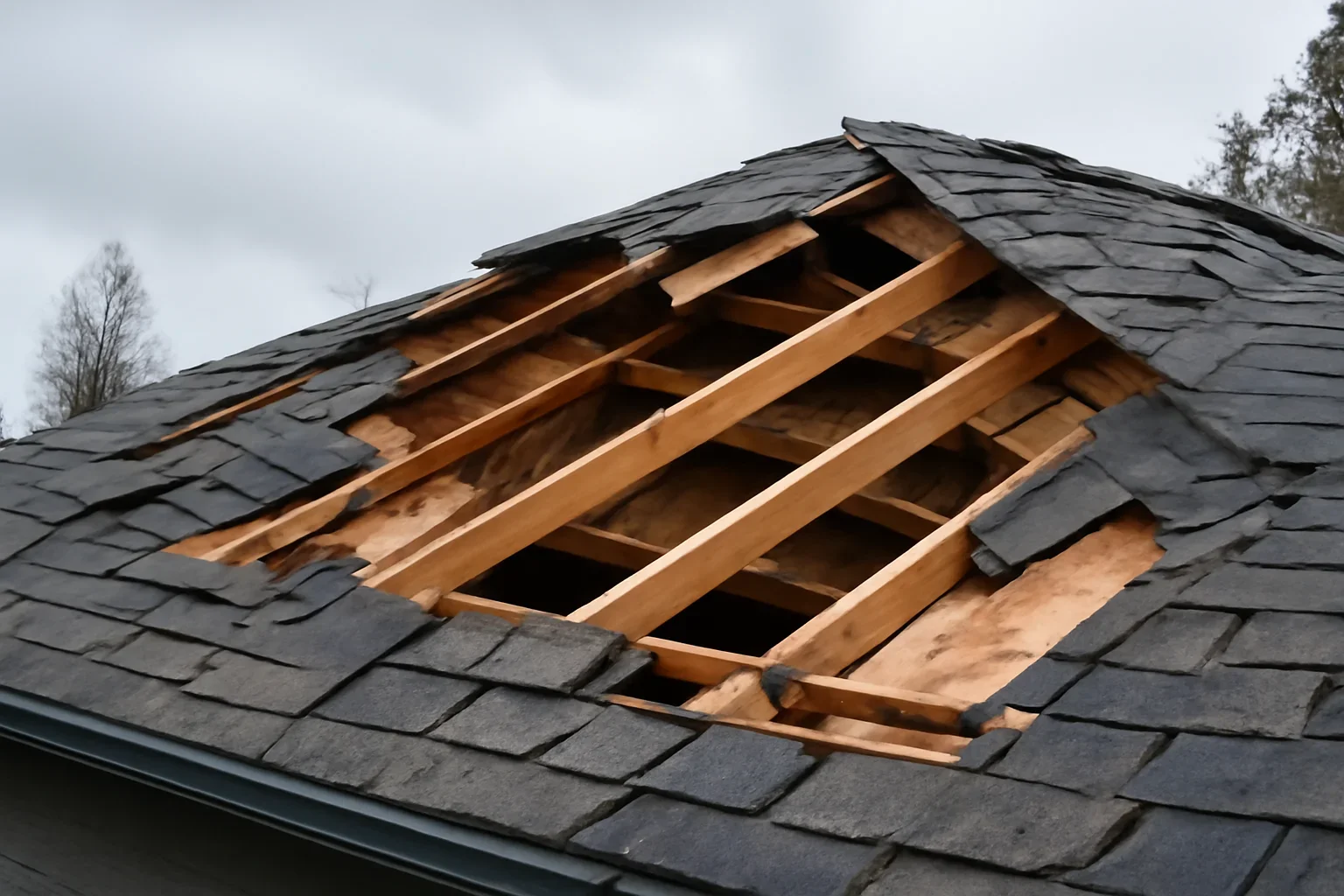
Keep away from fallen lines, loose sheet metal, hanging gutters, unstable trees and areas where debris may fall. The comparison should also account for people, electrical and falling-object safety and ground-level evidence of displaced materials.
Each checkpoint tests a different part of post-windstorm triage plan against property evidence and the proposed scope.
Keep away from fallen lines, loose sheet metal, hanging gutters, unstable trees and areas where debris may fall; photographs, measurements or records should confirm people, electrical and falling-object safety.
Photograph displaced shingles, flashings, branches, debris and interior moisture from safe locations; the written conclusion should show the effect of ground-level evidence of displaced materials on the result.
Keep dates, weather, communications, temporary work, invoices and repair findings without stating what an insurer must cover; recheck interior water or ceiling changes when the condition, scope or timing changes.
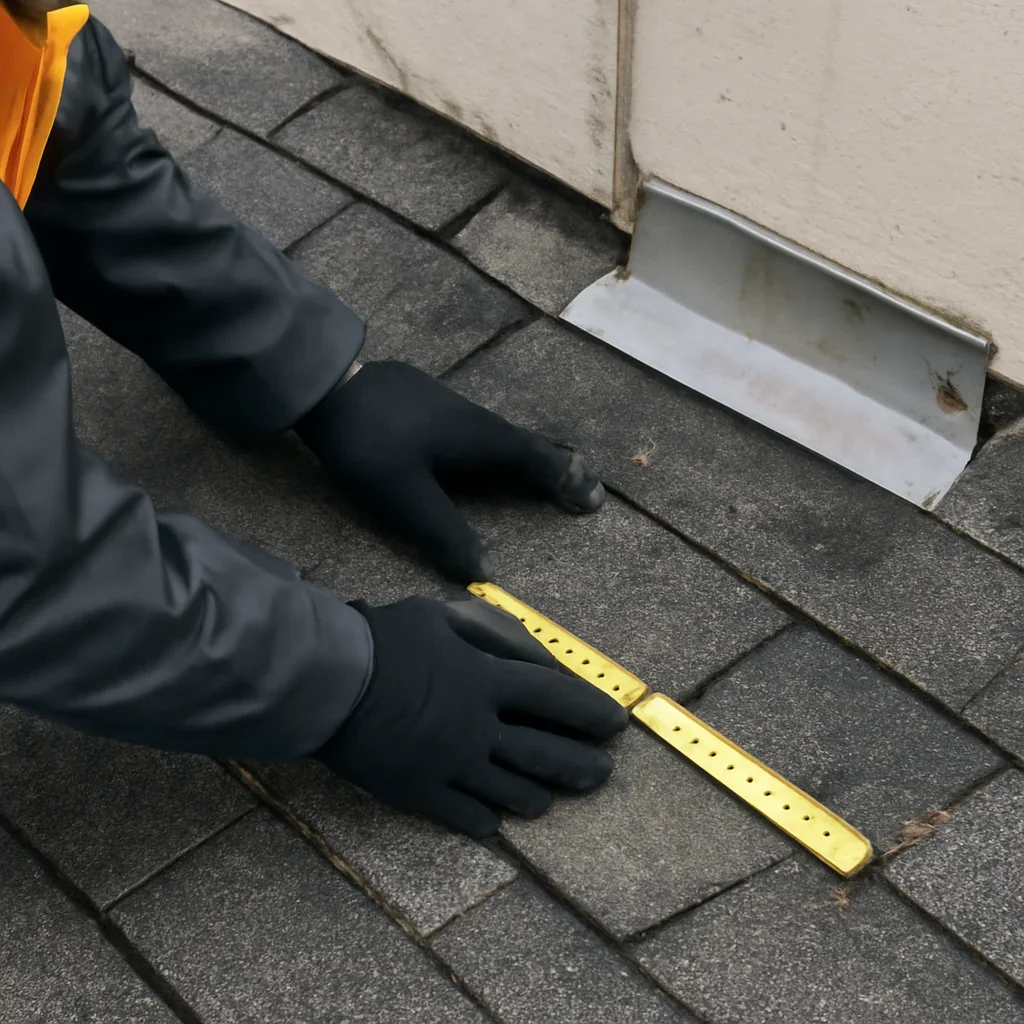
Property-specific inputs
For the post-windstorm triage plan, keep measurements, observations and assumptions separate. During the review of the post-windstorm triage plan, any input that cannot be verified safely should remain conditional until a site review or controlled opening provides evidence.
Use the table to organize the conditions, responsibilities and next actions that affect post-windstorm triage plan.
| Decision point | What to review | Why it matters |
|---|---|---|
| Check immediate hazards | Keep away from fallen lines, loose sheet metal, hanging gutters, unstable trees and areas where debris may fall. | Confirms the evidence related to people, electrical and falling-object safety. |
| Record visible changes safely | Photograph displaced shingles, flashings, branches, debris and interior moisture from safe locations. | Shows how ground-level evidence of displaced materials changes the comparison. |
| Preserve the response record | Keep dates, weather, communications, temporary work, invoices and repair findings without stating what an insurer must cover. | Turns the general answer into a documented next step. |
In the written record for the post-windstorm triage plan, a documented next step is more useful than a universal answer detached from the roof.
Gather the address, building type, roof system, known age, repair history and records related to people, electrical and falling-object safety.
Use safe photographs, inspection notes and measurements to assess ground-level evidence of displaced materials without asking an owner to climb onto the roof.
Check how each option treats interior water or ceiling changes, temporary weather protection and any concealed condition that could change the scope.
Write down the chosen action, assumptions, timing and the evidence still needed about insurance and repair documentation.
These routes separate the service, location, evidence and approval questions surrounding the post-windstorm triage plan decision.
Review roofing resources when the decision route for roofing resources affects the post-windstorm triage plan decision.
Roof repair connects lifted, split or missing roofing with the records needed for the post-windstorm triage plan decision.
Before finalizing the post-windstorm triage plan decision, consult request a roofing estimate for guidance on the information needed to qualify the estimate request.
These direct answers address the property details most likely to change a decision about post-windstorm triage plan.
Do not access a storm-damaged roof unless a qualified person has confirmed safe conditions and you are authorized and equipped. Damage can be unstable or difficult to see.
Wind can break seals, lift edges or damage flashings without leaving obvious debris. Interior changes or a professional inspection may reveal less visible damage.
Protecting the property from further damage may be urgent, but follow the policy and insurer’s reporting instructions where practical. Keep photographs, invoices and a clear description of temporary work.
Before approving the post-windstorm triage plan, send the address, building type, known roof system, safe photographs and timing. Roofing Star can compare the guidance on post-windstorm triage plan with the property condition and explain whether an inspection, estimate or maintenance plan is the right next step.