Start with the building
Before finalizing the customer roofing decision, identify property type, roof geometry, occupied areas, access and the decision-maker.

Homeowners, strata councils, managers, commercial owners, builders and restoration teams need different approvals and records. The technical finding remains evidence-based, while the communication and decision path change with the audience.
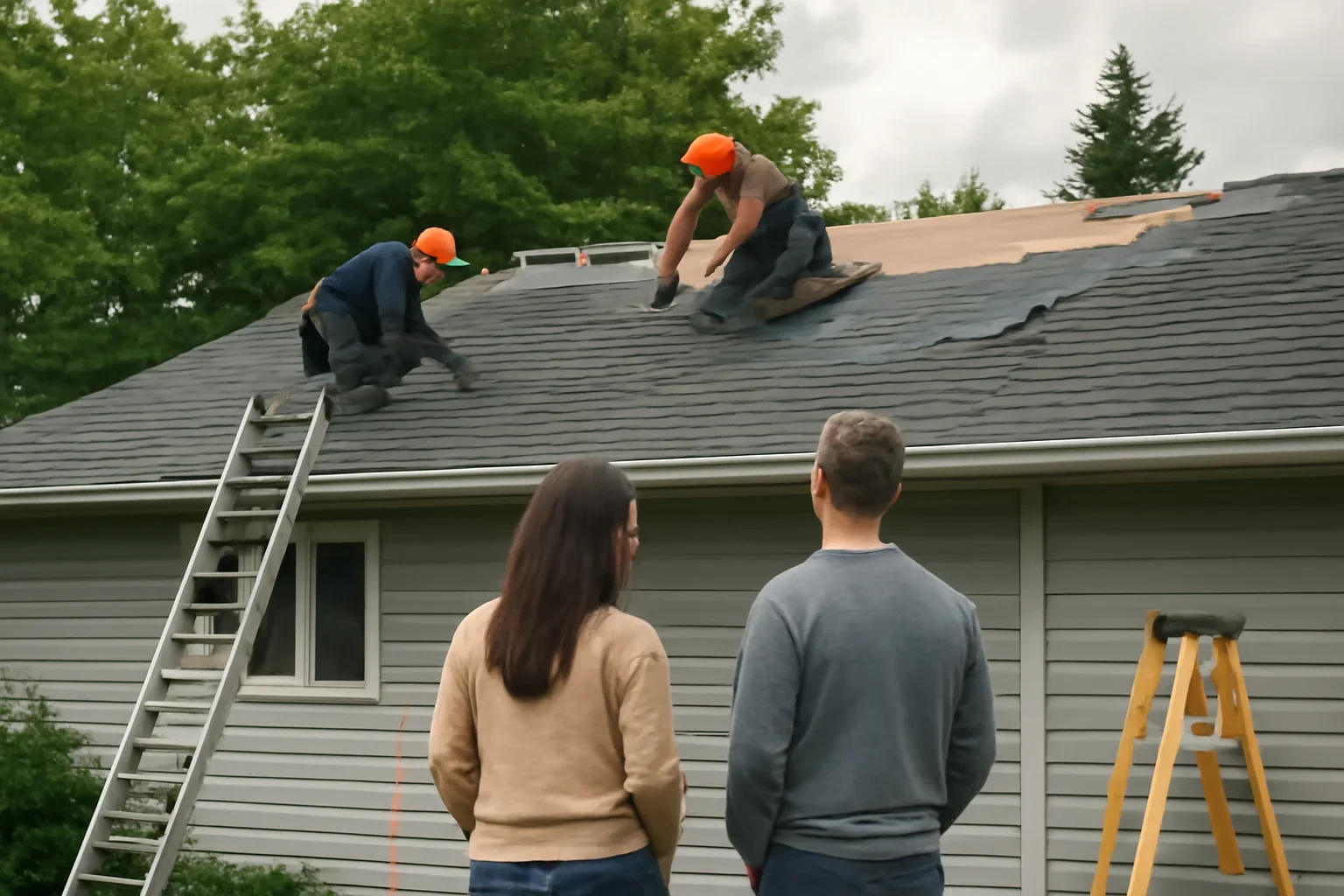
For the customer roofing decision, identify the building, reported condition, decision-maker and timing first. During the review of the customer roofing decision, the correct branch is the one that supplies the inspection points and records needed for that exact question.
In the written record for the customer roofing decision, these filters keep the next step tied to a real property, approval or record.
Before finalizing the customer roofing decision, identify property type, roof geometry, occupied areas, access and the decision-maker.
As the customer roofing decision moves from review to scope, record the symptom, likely water path, material state, drainage and any inaccessible areas.
For the customer roofing decision, compare options by scope, risk, service life, disruption, assumptions and written responsibility.
When the customer roofing decision is being checked, every card has a distinct topic, audience or decision path.
Homeowners need a direct explanation of what is wrong, what is urgent and whether repair or replacement is the sensible next step; the approval record should also settle photos tied to exact roof areas.
Strata councils need evidence they can take into meetings: condition by roof area, risk, timing, budget implications and a clear approval path, with owner communication and access planning documented before approval.
Property managers need predictable response, concise reports and work plans that respect tenants, operations and owner approvals; responsibility for tenant and vendor coordination belongs in the written plan.
Commercial owners need roofing decisions connected to operations, lease obligations, capital timing and the cost of unplanned disruption; the approval record should also settle lifecycle records and renewal forecasts.
Builders and developers need roofing details coordinated early with structure, mechanical penetrations, cladding, drainage and the construction schedule, with submittals and approved assemblies documented before approval.
Restoration projects move quickly, but roof work still needs a safe, documented boundary between emergency stabilization, insured damage and permanent repair; responsibility for temporary waterproofing and drying coordination belongs in the written plan.
Insurance-related roof work starts with safety, damage documentation and a clear distinction between sudden event damage and pre-existing wear; the approval record should also settle itemized repair scope.

A usable result
At the next planning step for the customer roofing decision, by the end of the selected route, you should have a clearer condition summary, the assumptions that remain, the options worth comparing and the records required before approval.
When a customer planning decision depends on concealed layers, exact measurements, safe access or material compatibility, a property inspection is the responsible next step.
To keep the customer roofing decision practical and verifiable, whichever route you choose, the proposal should connect the observed condition to the selected method, name the materials and exclusions, identify who may approve changes and describe the closeout record.
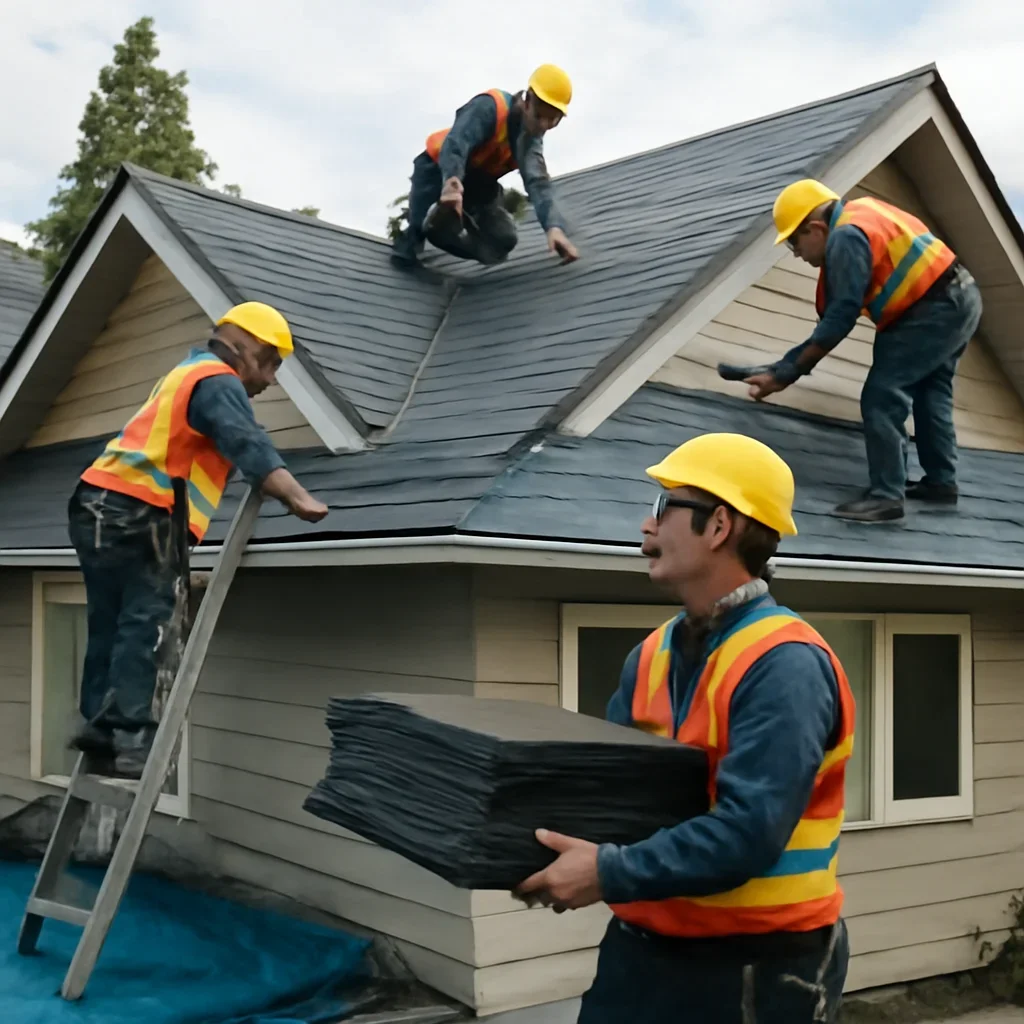
These answers clarify how to use customers we serve while keeping the final recommendation tied to the property.
The technical inspection remains evidence-based, but communication, approvals, scheduling and documentation change significantly. The project record should state how this point affects approval and responsibility for customers we serve.
A layered report works best: a concise decision summary supported by detailed photos, roof plans and specifications. The project record should state how this point affects approval and responsibility for customers we serve.
The contract should name an authorized decision-maker and define evidence, pricing and approval thresholds before materials are opened. The project record should state how this point affects approval and responsibility for customers we serve.
For the customer roofing decision, share the address, building type, roof concern, timing and any safe photographs or reports. Roofing Star can direct the customers we serve question to the appropriate assessment, service or planning route.