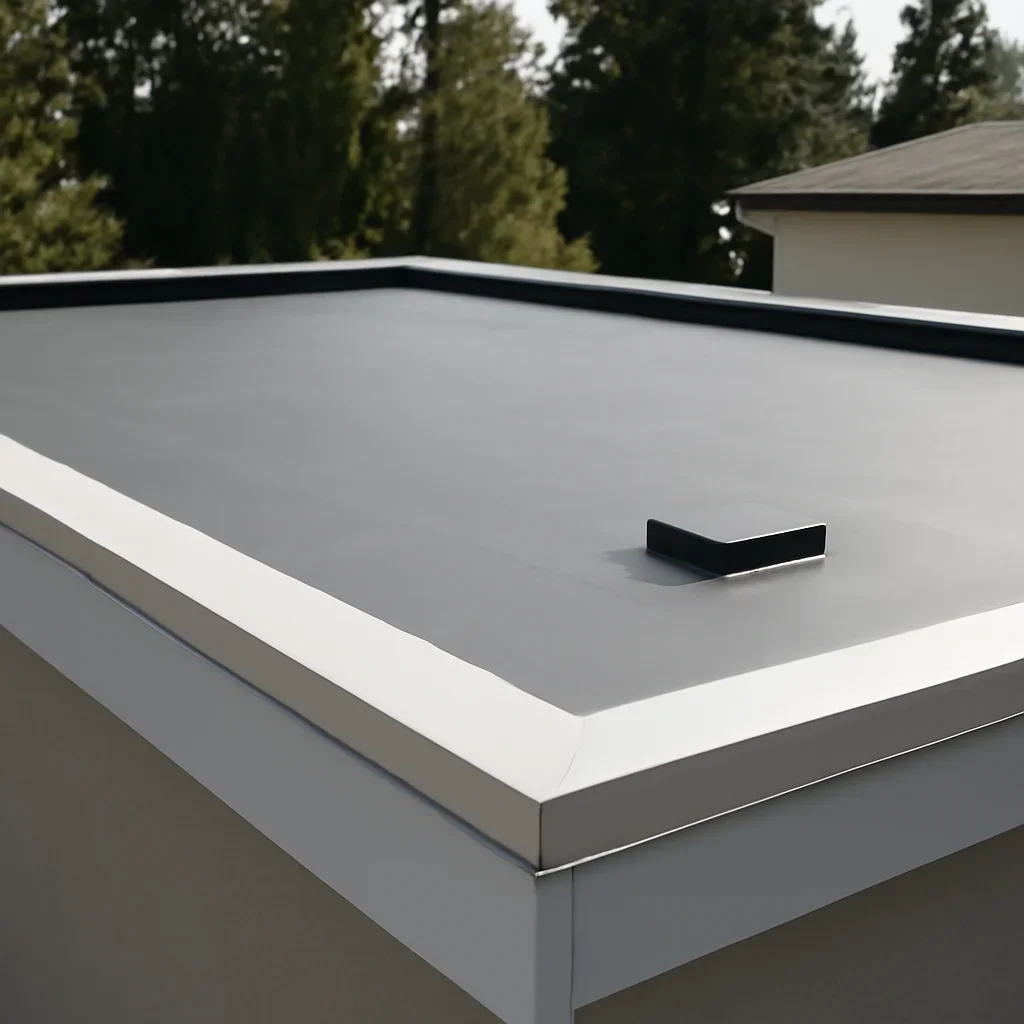
Before work
Before approving the flat roofing projects record, dated photographs and notes should locate the defect, roof area, access and any relevant interior evidence.

For the flat roofing projects record, low-slope project records should connect membrane type, moisture findings, drainage, curbs, parapets, tie-ins and phased dry-in to the final scope. During review of the flat roofing projects record, the examples below do not claim completion without verified files.

A credible flat roofing projects example identifies the property type, starting condition, diagnosis, signed scope, installed components, constraints, approved changes and final observations from the same job file.
In the flat roofing projects record, each stage answers a distinct question about condition, responsibility and result.
Before approving the flat roofing projects record, dated photographs and notes should locate the defect, roof area, access and any relevant interior evidence.
As the flat roofing projects record moves from review to scope, the record should explain what was found, which alternatives were considered and why the approved method fit the assembly.
For decisions about the flat roofing projects record, product details, key transitions, approved changes, final photographs and warranty records should support the outcome.
When the scope for the flat roofing projects record is being checked, open a topic to see the technical checkpoints and source records needed before any result can be published.
At the next planning step for the flat roofing projects record, a useful record for this project type connects membrane type, moisture extent, insulation, seams, drains, curbs and parapet details.
While the evidence for the flat roofing projects record is being assembled, a useful record for this project type connects membrane type, moisture extent, insulation, seams, drains, curbs and parapet details.
To keep the flat roofing projects record practical and verifiable, a useful record for this project type connects membrane type, moisture extent, insulation, seams, drains, curbs and parapet details.
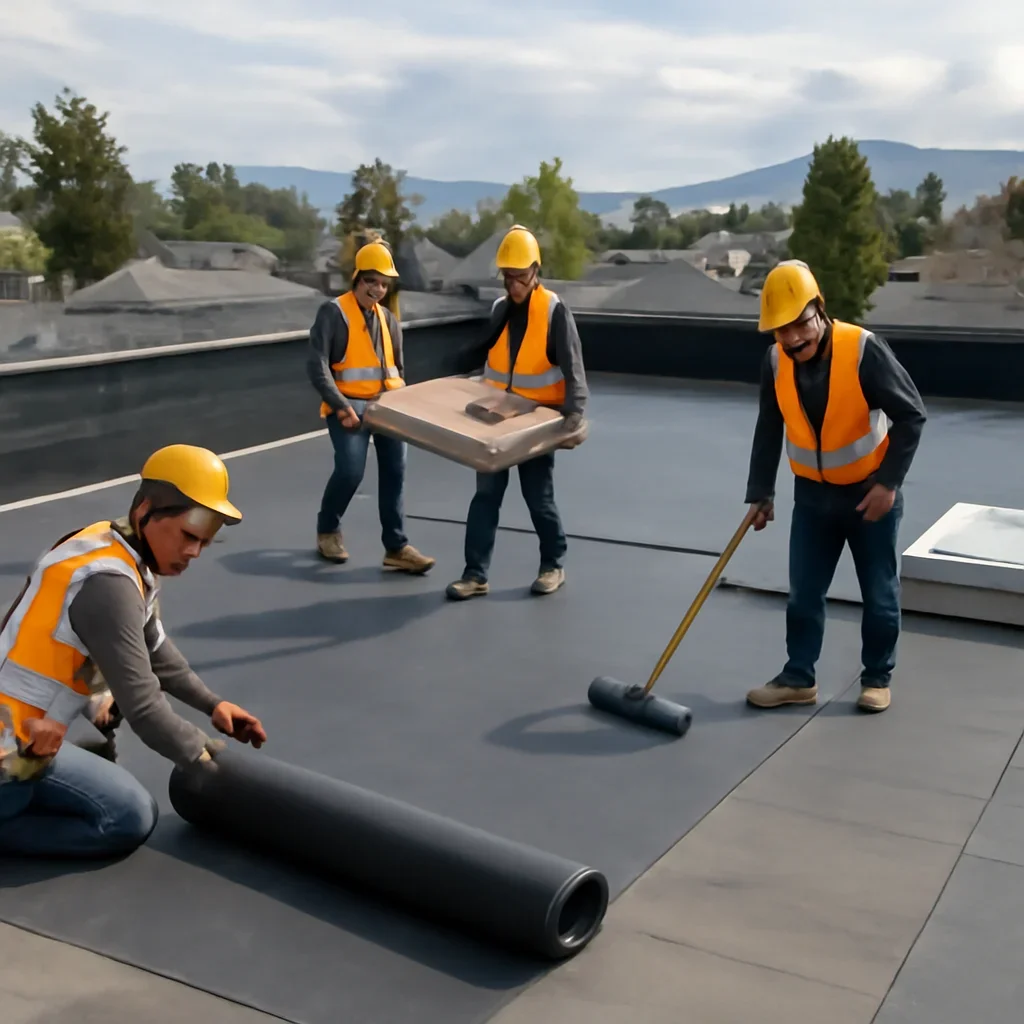
For the flat roofing projects record, generated or stock imagery may support layout and general education, but it must never be labelled as before-and-after evidence. During review of the flat roofing projects record, original project photographs should replace illustrative assets only after the job file and customer permission are confirmed.
In the flat roofing projects record, these answers separate useful comparison from unsupported project claims.
Not yet. Before approving the flat roofing projects record, the source material does not include approved job files, original photographs, dates or customer permissions, so no completion claim, result or testimonial is presented.
As the flat roofing projects record moves from review to scope, the roof system, building use, starting condition, exposure, access and scope should be similar enough to support a meaningful comparison. For decisions about the flat roofing projects record, an identical page title is not evidence that two projects required the same work.
When the scope for the flat roofing projects record is being checked, share the roof type, concern and location with Roofing Star. At the next planning step for the flat roofing projects record, the team can check whether a verified example or permitted reference is available for the proposed scope.
While the evidence for the flat roofing projects record is being assembled, send the property type, roof system, current concern, location and proposed work. To keep the flat roofing projects record practical and verifiable, Roofing Star can check whether a verified project example is available and explain the inspection or estimate path for the actual property.