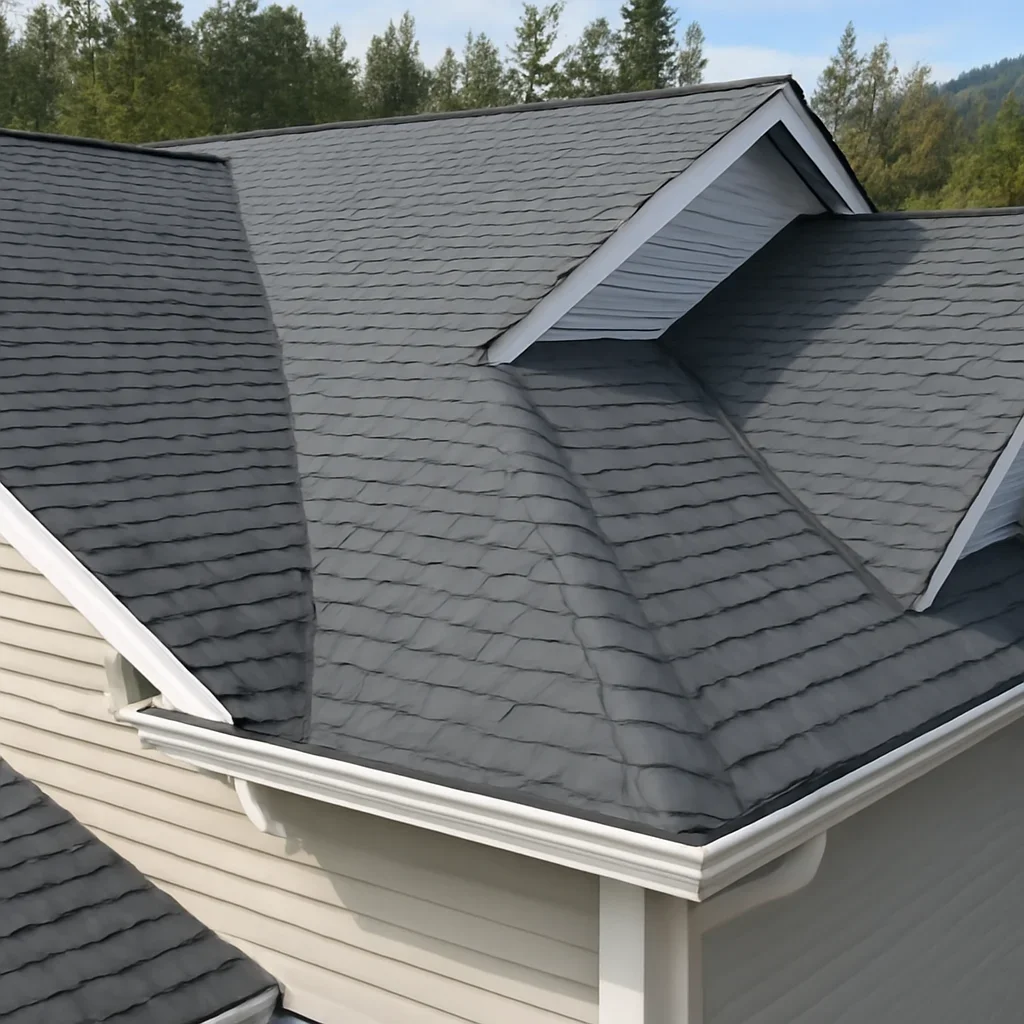
Submittals and approved assemblies
Use photographs, roof-zone references and plain language so submittals and approved assemblies can be checked against the property.

Builders and developers need roofing details coordinated early with structure, mechanical penetrations, cladding, drainage and the construction schedule.

For builders and developers, the roofing recommendation is useful only when findings, authority, timing and records are clear enough for the responsible people to act.
Each item answers a different approval, coordination or ownership question for builders and developers.
Use photographs, roof-zone references and plain language so submittals and approved assemblies can be checked against the property.
State who receives the information, who can approve the next step and explain the effect of trade-interface details on the schedule.
Connect dry-in and temporary protection to access, occupied areas, deliveries, noise, debris and daily communication.
Keep inspection and closeout milestones with the final scope, changes, invoices, warranties and future maintenance record.
Responsibility and records
For the builder and developer roofing decision, identify the symptom, urgency, building use and the person or group authorized to approve investigation, temporary measures and final work.
During the review of the builder and developer roofing decision, inspect the relevant roof zones, drainage and transitions, then separate immediate risk from work that can be planned or monitored.
Set materials, access, protection, communication, pricing boundaries and the change process in terms builders and developers can use.
In the written record for the builder and developer roofing decision, close with photographs, completed-scope notes, warranties and the next maintenance or review date for the people responsible for the property.
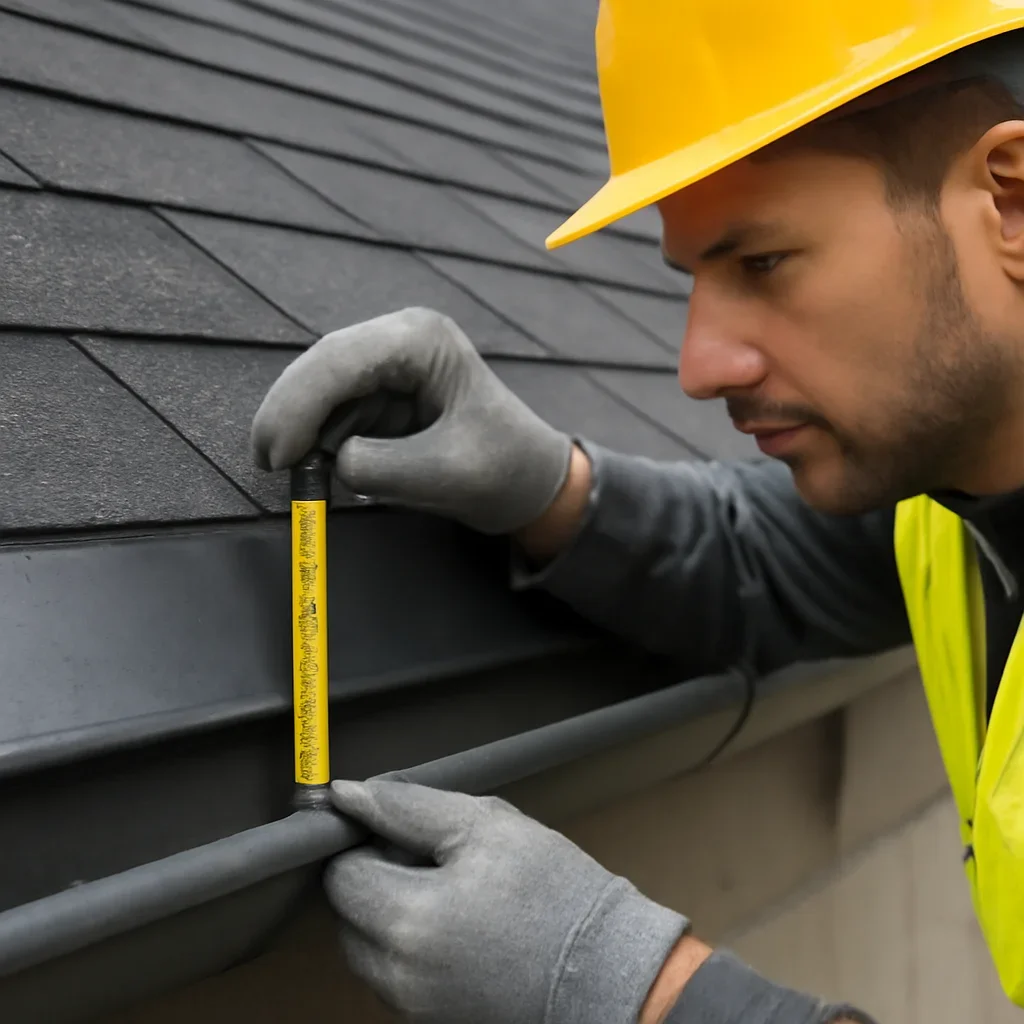
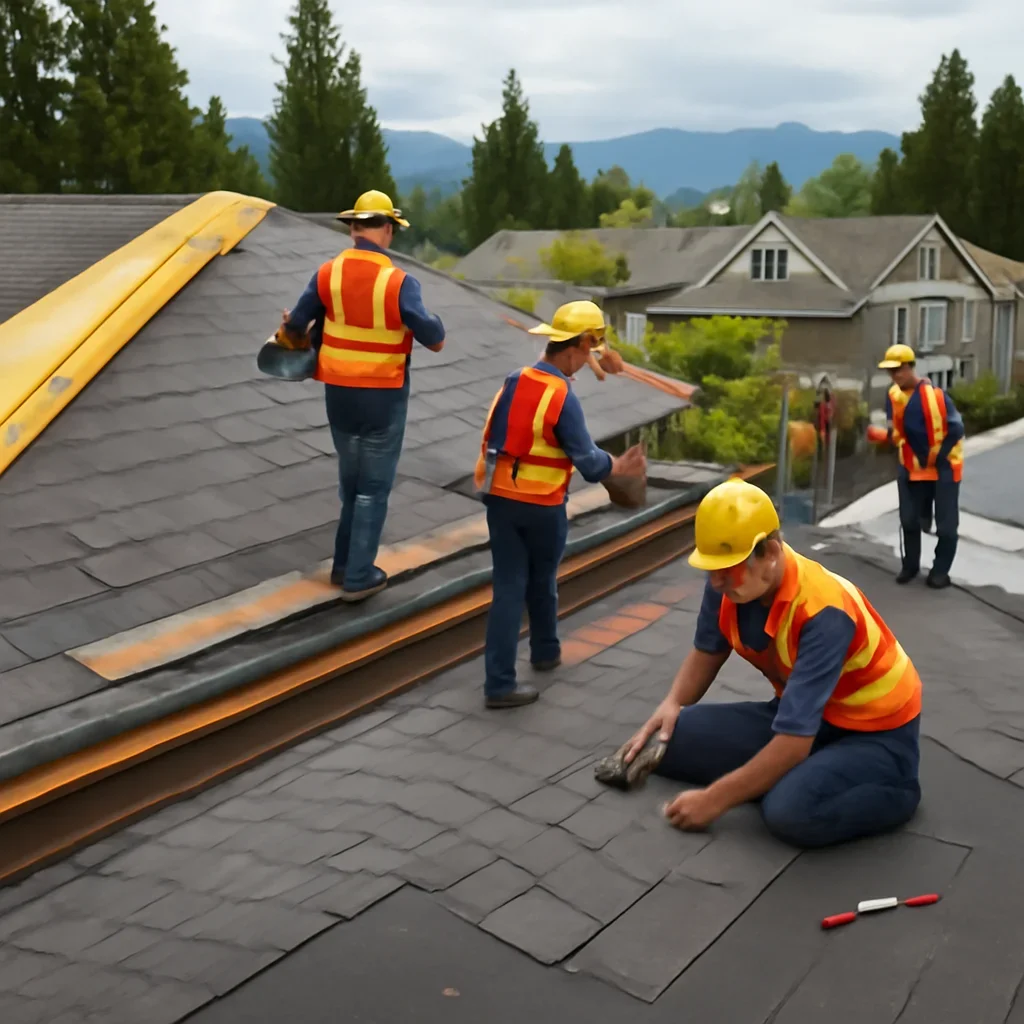
Before finalizing the builder and developer roofing decision, the proposal should distinguish confirmed conditions from assumptions, identify included and excluded roof areas, name the selected assembly and explain how hidden conditions will be documented and approved.
For builders and developers, communication intervals, access responsibilities and the format of closeout records should be agreed before the project begins.
Before approving work coordinated for builders and developers, confirm the legal contracting party, current insurance and WorkSafeBC information where applicable, the proposed system and the written warranty responsibilities.
For work coordinated for builders and developers, photographs, references and reviews are useful only when the source is clear, customer permission is respected and the work shown is genuinely comparable.
These routes separate the service, location, evidence and approval questions surrounding the builders and developers approval process.
Review roofing services when the decision route for roofing services affects the builders and developers approval process.
Roofing projects connects the decision route for roofing projects with the records needed for the builders and developers approval process.
Before finalizing the builders and developers approval process, consult roofing resources for guidance on the decision route for roofing resources.
These answers focus on first-contact information, option comparisons and records for builders and developers.
As the builder and developer roofing decision moves from review to scope, start with the building type, current concern, leak history, decision-makers, access, timing and any reports or photographs already available. For the builder and developer roofing decision, that information helps determine whether the next step is an inspection, emergency stabilization or a planned proposal.
When the builder and developer roofing decision is being checked, options should be tied to condition, risk, expected service and disruption. For builders and developers, the written record should also address submittals and approved assemblies and trade-interface details.
At the next planning step for the builder and developer roofing decision, keep the final scope, approved changes, photographs, invoices, warranty documents and maintenance recommendations. Inspection and closeout milestones should remain accessible to the people responsible for the property.
While evidence for the builder and developer roofing decision is being assembled, send the property location, building type, current concern, timing, decision-makers and any safe photographs or reports. Roofing Star can shape the next inspection or estimate step around the records builders and developers need.