Use age as one clue
Installation date can frame expectations, but present condition carries more weight than a calendar alone; photographs, measurements or records should confirm system and installation quality.

Roof lifespan is a condition range rather than a guaranteed date. System type, installation, exposure, ventilation, drainage, maintenance and earlier repairs determine whether a roof remains serviceable.
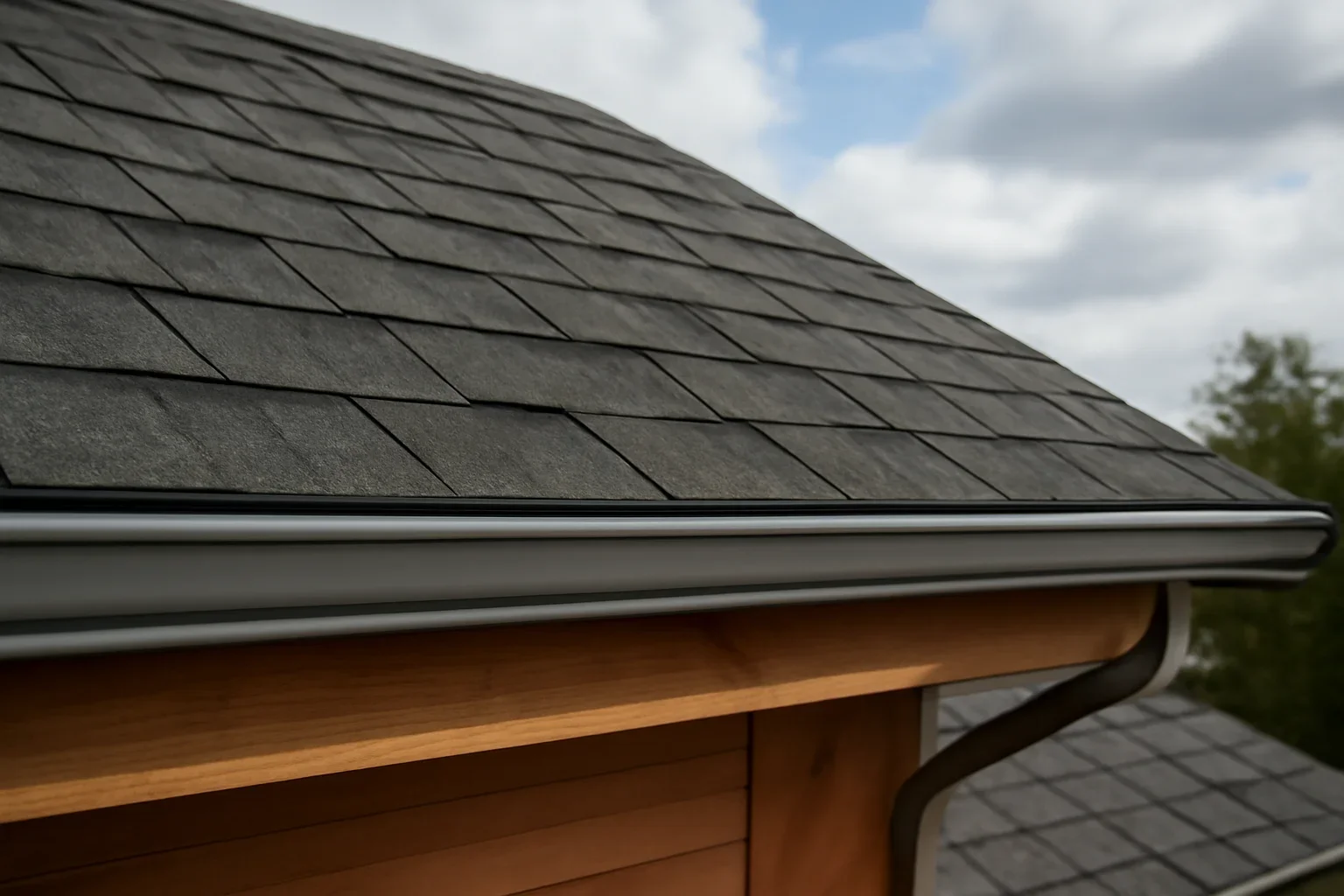
Installation date can frame expectations, but present condition carries more weight than a calendar alone. The comparison should also account for system and installation quality and regional exposure.
Each checkpoint tests a different part of planning guide against property evidence and the proposed scope.
Installation date can frame expectations, but present condition carries more weight than a calendar alone; photographs, measurements or records should confirm system and installation quality.
Edges, flashings, penetrations, seams, drainage and previous repairs often show decline before the field material; the written conclusion should show the effect of regional exposure on the result.
Dated photographs and maintenance records reveal whether wear is stable, localized or accelerating; recheck ventilation and moisture when the condition, scope or timing changes.
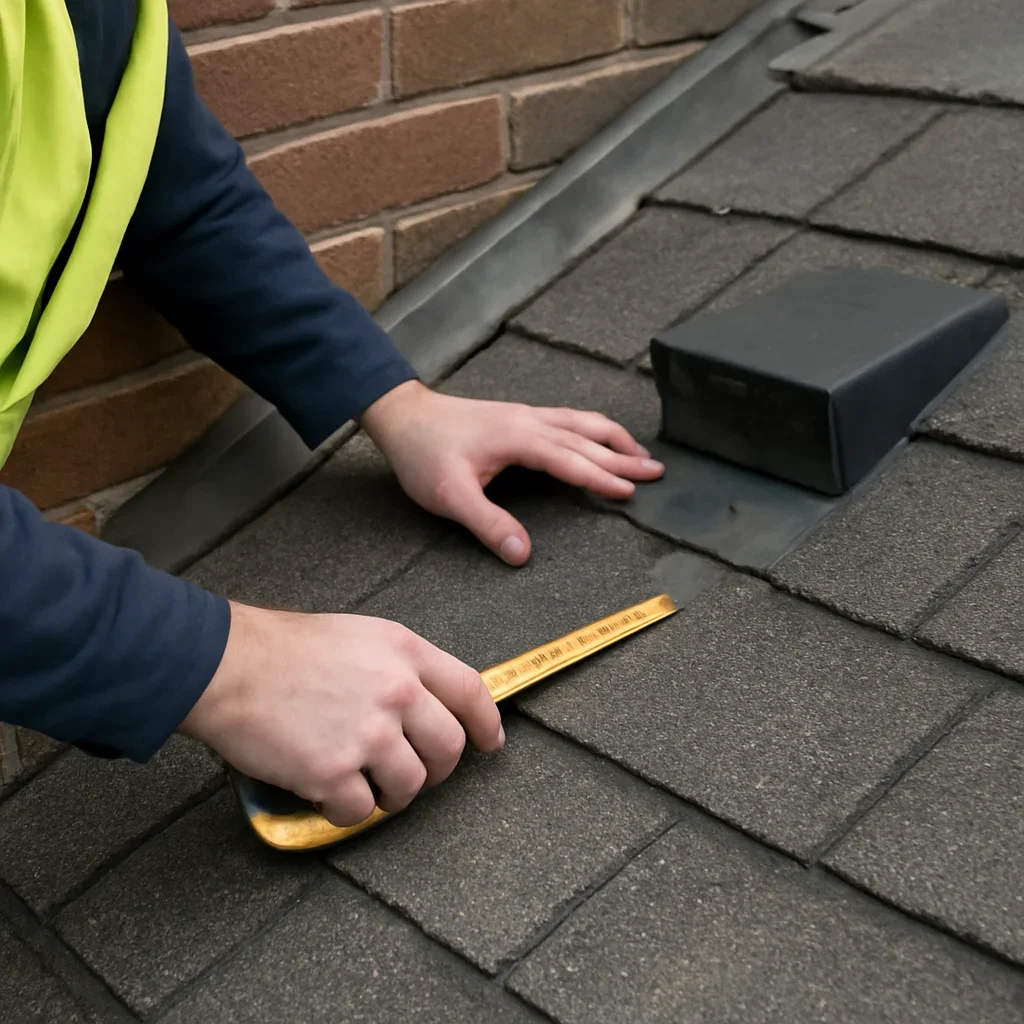
Property-specific inputs
For the planning guide, keep measurements, observations and assumptions separate. During the review of the planning guide, any input that cannot be verified safely should remain conditional until a site review or controlled opening provides evidence.
Use the table to organize the conditions, responsibilities and next actions that affect planning guide.
| Decision point | What to review | Why it matters |
|---|---|---|
| Use age as one clue | Installation date can frame expectations, but present condition carries more weight than a calendar alone. | Confirms the evidence related to system and installation quality. |
| Inspect the weak details | Edges, flashings, penetrations, seams, drainage and previous repairs often show decline before the field material. | Shows how regional exposure changes the comparison. |
| Track change over time | Dated photographs and maintenance records reveal whether wear is stable, localized or accelerating. | Turns the general answer into a documented next step. |
In the written record for the planning guide, a documented next step is more useful than a universal answer detached from the roof.
Gather the address, building type, roof system, known age, repair history and records related to system and installation quality.
Use safe photographs, inspection notes and measurements to assess regional exposure without asking an owner to climb onto the roof.
Check how each option treats ventilation and moisture, drainage and debris and any concealed condition that could change the scope.
Write down the chosen action, assumptions, timing and the evidence still needed about maintenance and repair history.
These routes separate the service, location, evidence and approval questions surrounding the planning guide decision.
Review roofing resources when the decision route for roofing resources affects the planning guide decision.
Request a roofing estimate connects the information needed to qualify the estimate request with the records needed for the planning guide decision.
Before finalizing the planning guide decision, consult how long does a flat roof last in British Columbia; for guidance on membrane type and seam condition.
These direct answers address the property details most likely to change a decision about planning guide.
No. Two roofs of the same age can differ because of exposure, installation, ventilation and maintenance. A condition review is more reliable.
Persistent moisture, poor drainage, incompatible repairs, ventilation problems, heavy traffic and neglected details can accelerate deterioration. Severe weather can also create sudden damage.
Keep installation documents, warranties, inspection notes, repair invoices, photographs and maintenance history. Those records make changes easier to interpret.
Before approving the planning guide, send the address, building type, known roof system, safe photographs and timing. Roofing Star can compare the guidance on planning guide with the property condition and explain whether an inspection, estimate or maintenance plan is the right next step.
