Show the starting condition
Before approving the individual project case studies record, dated images and notes should identify the roof area, symptom, access and relevant interior evidence.

Project topics are organized by roof system, condition and location so customers can identify the evidence that would make a comparison meaningful. Each individual record remains on hold until a verified Roofing Star job file supports it.

For the individual project case studies record, identify the building, reported condition, decision-maker and timing first. During review of the individual project case studies record, the correct branch is the one that supplies the inspection points and records needed for that exact question.
In the individual project case studies record, these filters keep the next step tied to a real property, approval or record.
Before approving the individual project case studies record, dated images and notes should identify the roof area, symptom, access and relevant interior evidence.
As the individual project case studies record moves from review to scope, the record should connect findings, alternatives and approved materials while keeping assumptions visible.
For decisions about the individual project case studies record, completion photographs, changes, warranties and customer permission must support every published result.
When the scope for the individual project case studies record is being checked, every card has a distinct topic, audience or decision path.
The record for asphalt roof replacement in Langley, B.C. must document asphalt-shingle removal, deck review, underlayment, ventilation, flashings and site protection before any result is presented as verified.
Verification for emergency roof-leak repair in Surrey, B.C. depends on a dated record of leak path, temporary protection, flashing or membrane failure, drying and permanent repair, not a generic project claim.
Use the metal roof installation in Abbotsford, B.C. evidence route only when the job file supports panel specification, substrate, underlayment, clips or fasteners, thermal movement and fabricated flashings and publication permission.
The record for flat-roof repair in Vancouver, B.C. must document membrane type, moisture extent, insulation, seams, drains, curbs and parapet details before any result is presented as verified.
Verification for gutter and fascia replacement in Delta, B.C. depends on a dated record of runoff capacity, fascia substrate, gutter slope, outlets, downspouts and final discharge, not a generic project claim.
Use the Surrey roof-leak diagnosis and flashing repair evidence route only when the job file supports leak path, temporary protection, flashing or membrane failure, drying and permanent repair and publication permission.
The record for abbotsford storm-damage roof repair must document event documentation, safety, temporary protection, damaged components and weather-dependent permanent work before any result is presented as verified.
Verification for moss-damaged roof assessment depends on a dated record of material condition beneath growth, drainage, shade, cleaning limits and repair or renewal decision, not a generic project claim.
Use the metal-roof installation evidence route only when the job file supports metal-roof installation case study, with verified scope, materials, duration, photographs and result and publication permission.
The record for ventilation correction and shingle replacement must document intake, exhaust, insulation, air leakage, shingle condition and the reason for each correction before any result is presented as verified.
Verification for multi-family roof inspection depends on a dated record of roof-area mapping, unit reports, defect priorities, access limits and recommendations for council or ownership, not a generic project claim.
Use the commercial flat-roof repair evidence route only when the job file supports membrane type, moisture extent, insulation, seams, drains, curbs and parapet details and publication permission.
The record for strata roofing condition report must document roof-area mapping, unit reports, defect priorities, access limits and recommendations for council or ownership before any result is presented as verified.
Verification for gutter and fascia replacement depends on a dated record of runoff capacity, fascia substrate, gutter slope, outlets, downspouts and final discharge, not a generic project claim.
Use the skylight leak repair evidence route only when the job file supports glazing, frame, flashing kit, underlayment, nearby roofing and condensation evidence and publication permission.
The record for roof-to-wall flashing correction must document step flashing, membrane continuity, cladding interface, counterflashing and drainage before any result is presented as verified.
Verification for torch-on roof replacement depends on a dated record of membrane type, moisture extent, insulation, seams, drains, curbs and parapet details, not a generic project claim.
Use the standing-seam metal roof evidence route only when the job file supports panel specification, substrate, underlayment, clips or fasteners, thermal movement and fabricated flashings and publication permission.
The record for cedar-to-asphalt roof conversion must document cedar removal, deck preparation, ventilation, underlayment, asphalt system and changed roof-edge details before any result is presented as verified.
Verification for winter roof repair depends on a dated record of event documentation, safety, temporary protection, damaged components and weather-dependent permanent work, not a generic project claim.
Use the residential roof completed in stages evidence route only when the job file supports phase boundaries, temporary tie-ins, weather protection, budget sequencing and consistent final materials and publication permission.
The record for annual commercial roof maintenance inspection must document repeatable roof-area checkpoints, drainage cleaning, minor repairs, changes and updated priorities before any result is presented as verified.
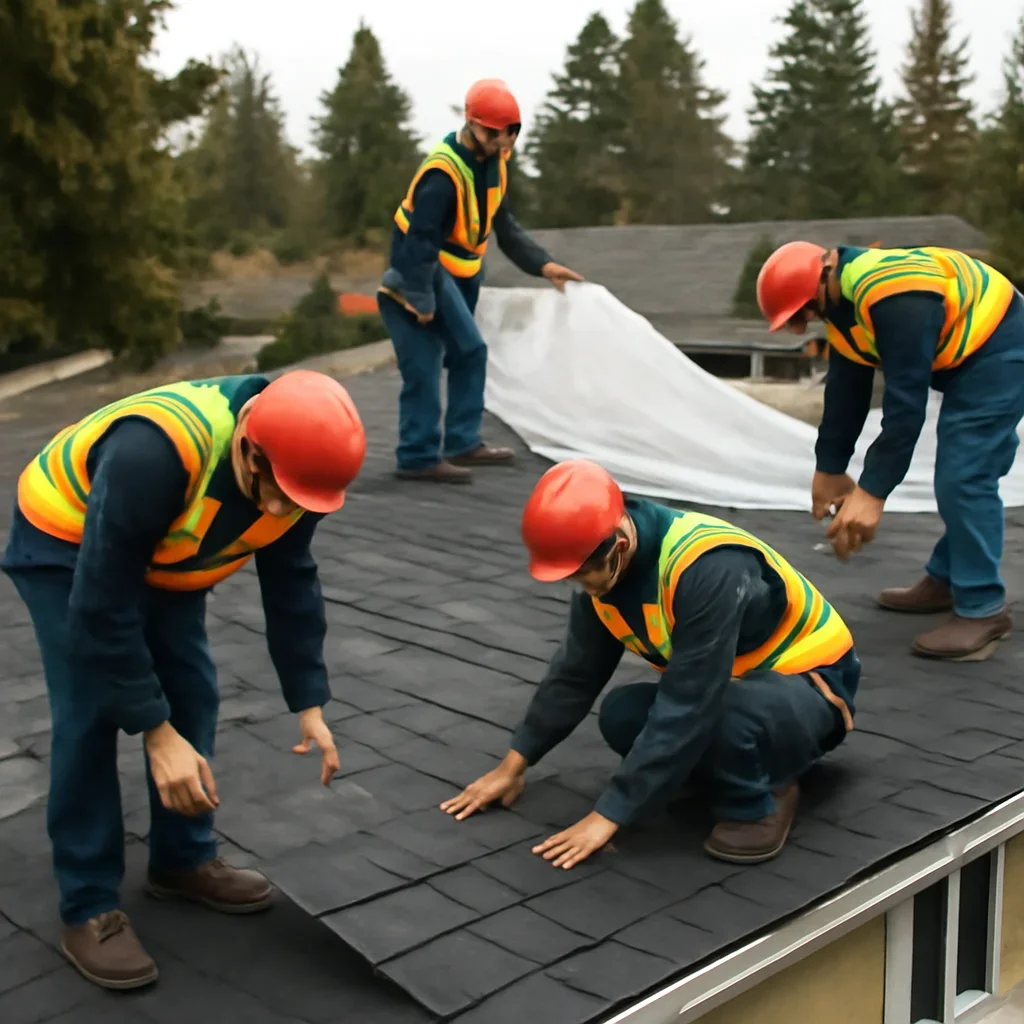
A usable result
At the next planning step for the individual project case studies record, by the end of the selected route, you should have a clearer condition summary, the assumptions that remain, the options worth comparing and the records required before approval.
When a case-study evidence decision depends on concealed layers, exact measurements, safe access or material compatibility, a property inspection is the responsible next step.
These answers clarify how to use individual project case studies while keeping the final recommendation tied to the property.
Start with the building, condition and decision in front of you. Choose the linked topic that matches that question rather than opening several pages with the same general scope.
No. It organizes service and guidance routes but cannot confirm concealed layers, measurements or a safe repair method. Property-specific findings still control the recommendation.
Store photographs, inspection notes, estimates, approved changes, product documents, warranties and maintenance records in one property file. That record improves future decisions.
To keep the individual project case studies record practical and verifiable, share the address, building type, roof concern, timing and any safe photographs or reports. Roofing Star can direct the individual project case studies question to the appropriate assessment, service or planning route.