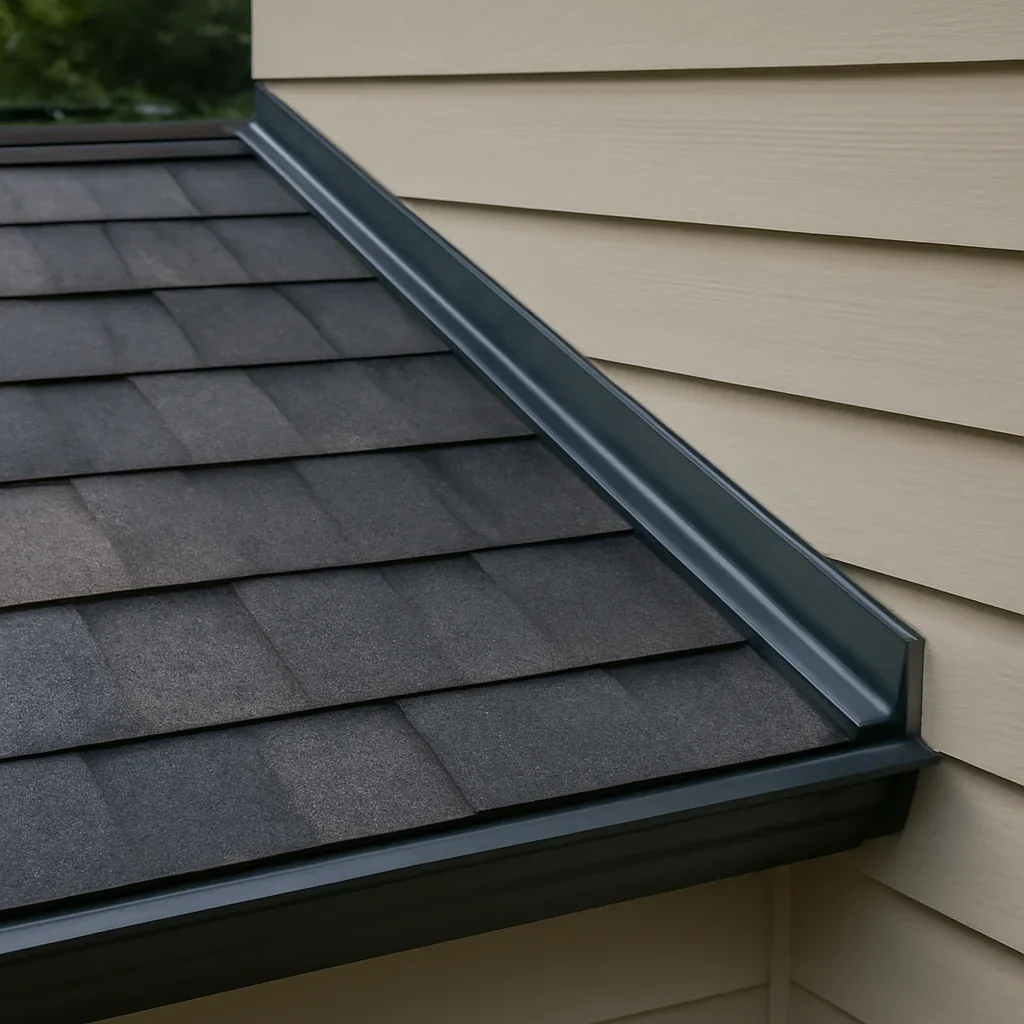
Condition evidence
The starting record should open enough assembly to confirm the water path and connect the observation to the reported concern.

No completed result is claimed for roof-to-wall flashing correction because the supplied material does not include a verified Roofing Star job file. The useful comparison is the evidence needed to document step flashing, membrane continuity, cladding interface, counterflashing and drainage.
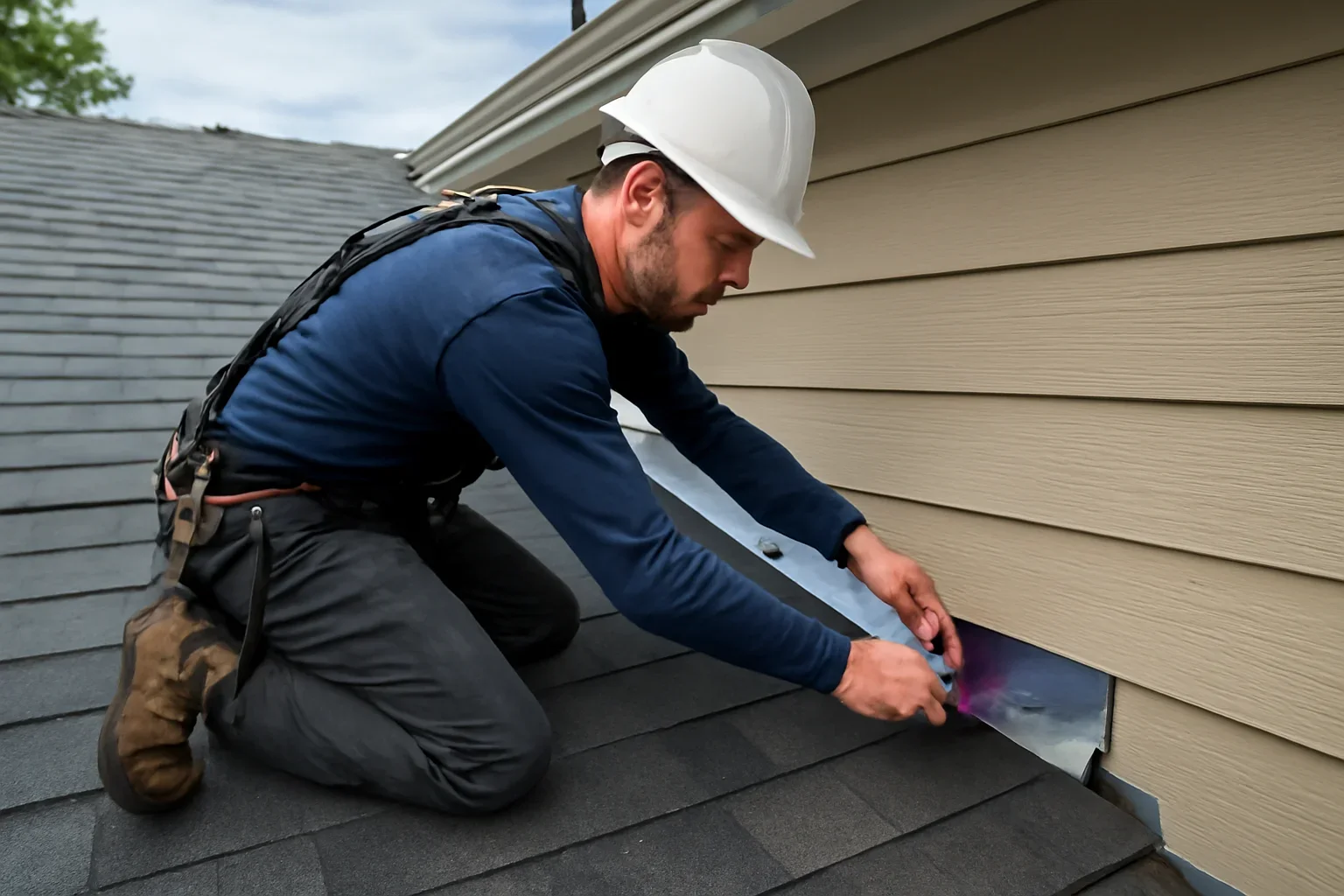
For the roof-to-wall flashing correction evidence record, cost, duration, materials, area, customer comments and performance are omitted until they can be checked against approved records for this exact project.
During review of the roof-to-wall flashing correction evidence record, a comparable project is meaningful only when its evidence follows one property from diagnosis through closeout.
The starting record should open enough assembly to confirm the water path and connect the observation to the reported concern.
The approved estimate should state how the team will record substrate and membrane condition and how that decision affects quantities or sequencing.
Final photographs and records should show the new flashing sequence and match the completed scope.
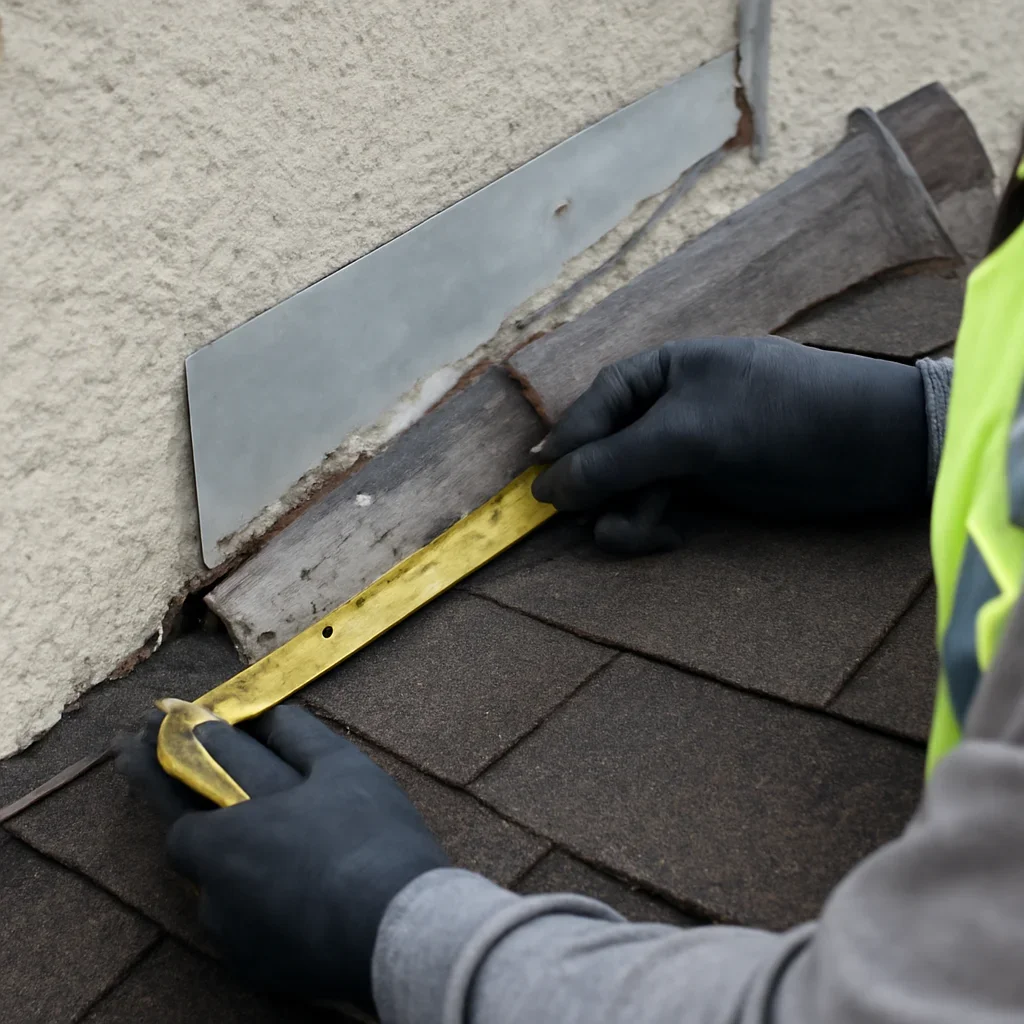
Source sequence
In the roof-to-wall flashing correction evidence record, use dated wide and close views, a roof-zone reference and notes that locate the symptom, access and relevant interior evidence.
Before approving the roof-to-wall flashing correction evidence record, explain what was confirmed, what remained concealed and why the selected scope was chosen over repair, maintenance or replacement alternatives.
As the roof-to-wall flashing correction evidence record moves from review to scope, copy system components, tie-ins and approved substitutions from the signed proposal, product records or documented changes.
For decisions about the roof-to-wall flashing correction evidence record, use completion photographs, final scope notes, warranty documents and customer-approved feedback from the same project.
These routes separate the service, location, evidence and approval questions surrounding the roof-to-wall flashing correction evidence review.
Review roofing projects when the decision route for roofing projects affects the roof-to-wall flashing correction evidence review.
Roof repair connects lifted, split or missing roofing with the records needed for the roof-to-wall flashing correction evidence review.
Before finalizing the roof-to-wall flashing correction evidence review, consult roof replacement for guidance on hidden deck deterioration.
When the scope for the roof-to-wall flashing correction evidence record is being checked, these answers state what is verified, what is missing and what a comparable record should contain.
No. At the next planning step for the roof-to-wall flashing correction evidence record, the supplied sitemap does not include a verified job file, approved photographs, dates, quantities or customer permission for this example. While the evidence for the roof-to-wall flashing correction evidence record is being assembled, no completion result, cost, timeline or testimonial is claimed.
A verified record should document step flashing, membrane continuity, cladding interface, counterflashing and drainage. To keep the roof-to-wall flashing correction evidence record practical and verifiable, the starting condition, approved scope and closeout evidence must come from the same project.
For the roof-to-wall flashing correction evidence record, performance depends on the actual assembly, exposure, installation and maintenance. For the roof-to-wall flashing correction record, any claimed outcome should be copied from an approved project file and supported by dated evidence.
During review of the roof-to-wall flashing correction evidence record, share the property type, roof system, current concern, location and safe photographs. Roofing Star can review the actual condition instead of assuming that the roof-to-wall flashing correction topic determines the right scope.